Selling Your Home in Queensland: A Simple Process
The real estate market in Queensland is a dynamic and constantly evolving sector of the economy. Knowing the selling process is essential to making a good sale, regardless of experience level as an investor or seller. We will give you a thorough overview of selling your house in Queensland in this post, covering everything from market trends to paperwork needs. After reading this article, you will have the information and resources needed to confidently handle the selling process.
Key Takeaways
- Queensland real estate market is diverse and can vary greatly depending on location and property type.
- Finding a real estate agent who specializes in your area and property type can greatly increase your chances of a successful sale.
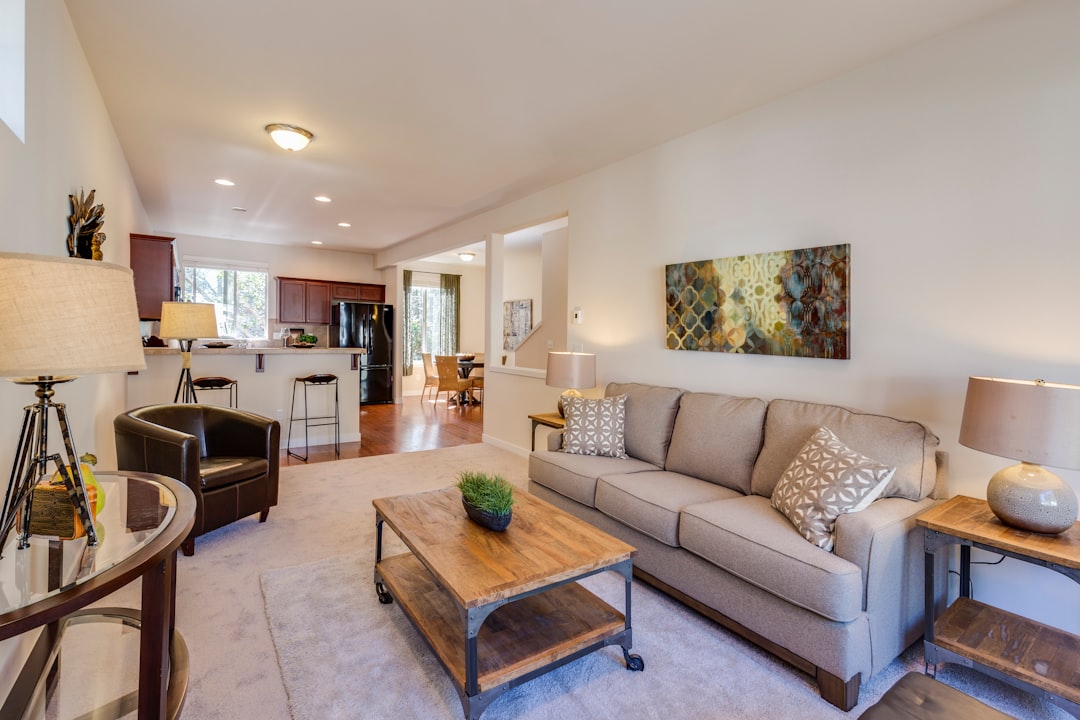
- Preparing your home for sale involves decluttering, depersonalizing, and making necessary repairs and upgrades.
- Setting a realistic asking price requires research on comparable properties and market trends.
- Effective marketing includes professional photography, online listings, and open houses to attract potential buyers.
It’s critical to have a firm grasp of the Queensland real estate market’s current situation before beginning the selling process. A number of factors, such as population growth, government policies, and economic conditions, have an impact on the market. You can choose the right time to sell & how much to ask for your property by keeping up to date with market trends.
Right now, there is a steady expansion in the Queensland real estate market. Low interest rates, population growth, and government incentives for first-time homebuyers are some of the reasons driving the strong demand for housing. It is crucial to remember that market conditions can change based on the kind and location of the property.
To obtain a deeper understanding of the particular market trends in your area, it is advisable to speak with a local real estate agent or conduct extensive research. Although navigating the market can be difficult, there are a few pointers that can help you maximize your selling opportunities. First & foremost, it’s critical to set reasonable expectations. Setting a realistic asking price that takes into account current market conditions & comparable sales in your area is crucial, even though it is only natural to want to get the best price for your property.
| Step | Description |
|---|---|
| 1 | Choose a real estate agent |
| 2 | Set a realistic price for your home |
| 3 | Prepare your home for sale |
| 4 | Market your home to potential buyers |
| 5 | Negotiate with buyers and accept an offer |
| 6 | Complete the sale with the help of your agent |
Presenting your property in the best possible light also requires staging, decluttering, and any necessary repairs or renovations. Selecting the ideal real estate representative is a crucial phase in the selling procedure. You can navigate the market, draw in potential buyers, & negotiate the best price for your property with the assistance of a knowledgeable and experienced agent. Asking the right questions and taking into account aspects like their marketing strategies, local market expertise, & track record are crucial when choosing an agent. Once you have chosen an agent, it is crucial to build a strong working relationship.
Some questions to ask are: – How long have you been in the real estate industry? – What is your experience selling properties in my area? – Can you provide references from past clients? – What is your marketing strategy for selling my property? – What is your commission rate? A successful partnership is based on mutual trust and open communication. Remember that your representative is there to help you with the selling process and offer professional guidance.
To reach your selling objectives, collaborate with them and be receptive to their advice. Gaining maximum value from your sale of your home requires preparing it for sale in order to draw in potential buyers. A well-presented property has a higher chance of generating interest and receiving higher offers because first impressions matter. The following hints and techniques will assist you in getting your house ready for sale:1.
To make an area appear tidy and roomy, declutter by taking out extra furniture, personal belongings, and clutter. It’s crucial to create a calm and welcoming atmosphere because potential buyers want to picture themselves living there. 2. Hire a professional stager to present your house in the best possible light. This is something you should think about doing.
They are skilled at arranging furniture, adding finishing touches, and producing a unified and enticing look. 3. Make the required repairs: Take care of any observable flaws or upkeep issues in your house. This includes caulking fractured tiles, repairing dripping faucets, & repainting walls as needed.
A well-kept home boosts the perceived value of your property & inspires confidence in potential buyers. 4. Renovations are something you might want to think about if you want to raise the value and appeal of your property. This will depend on your budget and the state of your property. This can entail painting the kitchen or bathroom, enhancing the landscaping, or installing new flooring. To draw in interested parties and close a deal, it’s imperative to set a fair asking price.
Pricing your house too high can turn away potential buyers, & pricing it too low can cause you to lose out on opportunities to maximize your earnings. When determining a price, take into account the following:1. Market conditions: To determine the current market value, look up recent sales in your area. Seek out properties that resemble yours in terms of size, location, & state.
This will provide you with a starting point for setting your asking price. 2. Location: Your property’s value is greatly influenced by its location. When determining your price, take into account elements like the distance to services, educational institutions, & transit. 3. Property condition: Your property’s worth is also influenced by its state.
Consider the state of the property overall, as well as any repairs or renovations that have been done. 4. The competition in your area is the quantity of comparable properties that are presently for sale. In order to draw in buyers, you might need to price your house competitively if there are many comparable properties on the market. Noteworthy is the fact that a professional home appraisal can offer an unbiased evaluation of the worth of your property. To ascertain a fair market value, an appraiser will take into account variables like location, size, condition, and recent sales in the area. Even though it’s not required, an appraisal can offer insightful data that will support you in determining a reasonable asking price.
To draw in potential buyers and create interest in your property, effective marketing is crucial. Having a strong online presence is essential in the modern digital world. The following advice can help you sell your house successfully:1. Expert photography: To present your property in the best possible light, make an investment in professional photography.
Having high-quality photos on your website can help you draw in online customers. 2. Online listings: Place a listing for your property on well-known real estate directories and websites. To draw in potential customers, include a range of excellent photos, emphasize important features, & give thorough descriptions. 3. Virtual tours: Take into consideration providing 3D walkthroughs or virtual tours of your property.
This enables prospective purchasers to view your house from the convenience of their own laptop or mobile device. 4. Social media marketing: To advertise your property, make use of social media networks. To reach more people, write interesting posts, publish gorgeous pictures, and think about putting targeted advertisements on your site. Open houses, signage, print ads, and other conventional marketing strategies can all be useful in drawing in potential buyers in addition to internet marketing. Develop a thorough marketing plan that is tailored to your property & target market in close collaboration with your real estate agent.
It’s critical to comprehend the sales contract and be ready for negotiations once you start receiving offers from prospective buyers. To negotiate offers & seal the deal, consider the following advice:1. Examine each offer carefully, taking into account the purchase price, the terms of the financing, & the anticipated settlement date. You can receive advice and assistance from your real estate agent in weighing the advantages and disadvantages of each offer. 2.
Counteroffers: You have the right to submit a counteroffer if an offer falls short of your standards. This entails suggesting alterations to the initial offer’s terms, like a greater purchase price or different settlement terms. Three. Sales contract: After you accept a proposal, a written agreement is produced. It’s crucial to go over the contract thoroughly and, if needed, get legal counsel.
Included in the contract will be the purchase price, the date of settlement, and any additional terms and conditions that apply to the sale. 4. Deal closure: The buyer will become the legal owner of the property on the settlement date. This entails exchanging legal paperwork & paying the purchase price. The transaction will go smoothly because your conveyancer or solicitor will walk you through it. There are several legal requirements that must be fulfilled when selling a property in Queensland.
To guarantee a seamless and legally compliant sale, it’s critical that you become familiar with these requirements & collaborate with a conveyancer or solicitor. The following is a summary of the legal requirements:1. Contract of sale: Outlining the terms and conditions of the sale, a contract of sale is a legally binding document. It has to contain information about the purchase price, the date of settlement, and any unique requirements.
To make sure the contract satisfies legal requirements, it is crucial to have it prepared or reviewed by a conveyancer or solicitor. 2. Requirements for disclosure: As a seller, you must provide prospective buyers with certain information. This includes giving a disclosure statement outlining any flaws or problems that are known to exist with the property. Being truthful and open throughout the selling process is crucial because withholding pertinent information may have legal repercussions. Three.
In Queensland, purchasers who sign a contract of sale are entitled to a cooling-off period of five days. The Buyer may terminate the Contract at Any Time without Penalty During This Term. It’s crucial to remember that there are some circumstances in which the cooling-off period does not apply, such as when the property is sold at auction or when the buyer waives this right. 4. Ownership is transferred from the seller to the buyer during the settlement process. It normally happens, contingent upon the agreed settlement date, 30 to 90 days following the contract’s signature.
In this period, a number of legal & financial procedures are finished, such as stamp duty payment, ownership transfer registration, and mortgage discharge. It is strongly advised that you deal with a conveyancer or solicitor who specializes in real estate transactions. They’ll see to it that all legal requirements are fulfilled, offer guidance on any possible problems, & accompany you through the entire selling process. Although the process of selling a property can be simple & easy, issues can occur. It’s critical to have a plan in place for handling unforeseen problems and to be ready for them.
Throughout the selling process, the following typical issues might arise:1. Financing problems: Buyers may have trouble securing financing, which might cause the transaction to slip or be compromised. Prior to accepting an offer, it’s critical to confirm that prospective buyers are pre-approved for a mortgage. 2. As part of their due diligence procedure, buyers have the option to request building and pest inspections.
Should problems be found, discussions might be necessary to resolve them. 3. Legal disputes: Buyers and sellers may have disagreements regarding the terms of the contract or problems with the property. In the event that a disagreement emerges, it is crucial to get legal counsel & attempt to reach a compromise that is acceptable to all sides. 4. Delays in settlement: There are a number of reasons why settlements might be delayed, including problems with financing, title searches, or paperwork.
To guarantee a seamless settlement process, it is critical to remain informed and keep in touch with all pertinent parties. Throughout the selling process, it’s critical to maintain organization and knowledge in order to handle any complications. Keep lines of communication open and clear with prospective buyers, your conveyancer or solicitor, and your real estate agent. Take the initiative and deal with any problems right away to lessen their effect on the sale. It’s crucial to steer clear of typical blunders when selling your house so as not to lose money or cause the sale to stall.
The following are typical errors to steer clear of:1. Overpricing can cause a property to remain on the market longer by turning off potential buyers with an exorbitant asking price. Setting a fair price that takes into account local sales data and market conditions is crucial. 2. Ignoring maintenance and repairs: Ignoring problems that are clearly visible or skipping out on necessary maintenance and repairs can make your property seem less valuable.
To draw in potential buyers, it’s critical to show off your house in the best possible light. Three. Insufficient marketing: In order to draw in potential customers, marketing must be done well. Your reach may be restricted & opportunities may be lost if you forgo investing in expert photography, internet listings, & other marketing techniques. 4. Disregarding professional advice: Agents, conveyancers, and solicitors are examples of real estate professionals who possess valuable knowledge and involvement.
Not consulting a professional or disobeying their advice can result in expensive errors or legal problems. It’s critical to collaborate with experts who can offer knowledgeable counsel and direction throughout the selling process if you want to optimize your earnings. Pay attention to their advice, keep up with industry developments, and take the initiative to resolve any problems that may come up. It’s crucial to move into your new house and celebrate your accomplishments as soon as your house sells.
The following advice will help you move on:1. Moving out: Arrange and plan your relocation to make the transfer to your new residence go smoothly. This entails packing,, hiring movers if needed, and informing the appropriate parties of your address change. 2.
Rejoice in your accomplishment: Selling a house is a big deal. Spend some time acknowledging your accomplishments and thinking back on your path. To celebrate, plan a get-together with friends and family or treat yourself to something special. 3. In summary, the process of selling a house can be difficult and complex, but it can also be a fulfilling experience if you have the correct information and direction. You can sell your house with confidence & make the most money by researching the Queensland real estate market, selecting the best realtor, getting your house ready for sale, determining a fair asking price, using effective marketing techniques, negotiating offers, & being aware of the legal requirements.
When your house sells, don’t forget to celebrate your accomplishment, stay organized, and get professional assistance when necessary.
FAQs
What is the selling process in Queensland?
The selling process in Queensland involves several steps, including preparing the property for sale, setting a price, marketing the property, negotiating with potential buyers, and finalizing the sale.
What are the legal requirements for selling a property in Queensland?
In Queensland, sellers are required to provide a contract of sale and a disclosure statement to potential buyers. They must also obtain a title search and a property certificate from the Land Registry.
How do I prepare my property for sale in Queensland?
To prepare your property for sale in Queensland, you should declutter and clean the property, make any necessary repairs, and consider staging the property to make it more attractive to potential buyers.
How do I set a price for my property in Queensland?
To set a price for your property in Queensland, you should research the local market and consider factors such as the property’s location, size, and condition. You may also want to consult with a real estate agent or valuer.
What is the role of a real estate agent in the selling process in Queensland?
A real estate agent can assist with various aspects of the selling process in Queensland, including setting a price, marketing the property, negotiating with potential buyers, and finalizing the sale. They can also provide advice and guidance throughout the process.
What are the costs associated with selling a property in Queensland?
The costs associated with selling a property in Queensland may include real estate agent fees, legal fees, marketing costs, and government charges such as stamp duty and transfer fees. These costs can vary depending on the property’s value and the services required.