Top Home Staging Techniques for a Quick Sale
Home staging is the process of preparing a home for sale in the real estate market. The goal of home staging is to make the home appealing to the highest number of potential buyers, thereby selling the property more swiftly and for a higher price. This involves making the home look visually appealing, decluttering and organising the space, and highlighting its key features. Home staging is an important aspect of the selling process as it can significantly impact the first impression potential buyers have of the property. A well-staged home can create an emotional connection with buyers, making them more likely to envision themselves living in the space. This can ultimately lead to a quicker sale and a higher selling price.
Home staging can involve a range of techniques, from simple decluttering and organising to more elaborate design changes. It is important to consider the target market when staging a home, as different demographics may have different preferences when it comes to home decor. Ultimately, the goal of home staging is to make the home as appealing as possible to the widest range of potential buyers, increasing the likelihood of a successful sale.
Summary
- Home staging is the process of preparing a property for sale to appeal to a wide range of potential buyers.
- Decluttering and organising are essential steps in home staging to create a clean and spacious environment.
- Maximising natural light can make a space feel brighter and more inviting, helping to showcase the property’s potential.
- Using neutral colours on walls and furniture can create a blank canvas for buyers to envision their own style in the space.
- Adding fresh flowers and greenery can bring life and vibrancy to a room, creating a welcoming and homely atmosphere.
Decluttering and Organising
One of the most important aspects of home staging is decluttering and organising the space. Clutter can make a home feel smaller and less inviting, which can turn off potential buyers. It is important to remove personal items such as family photos and excessive decorations, as these can make it difficult for buyers to envision themselves living in the space. Additionally, decluttering can help to highlight the home’s features and make it feel more spacious. This can involve removing excess furniture, clearing countertops, and organising closets and storage spaces.
Organising the space is also crucial in creating a welcoming and appealing environment for potential buyers. This can involve arranging furniture in a way that maximises flow and highlights the home’s best features. It is important to create a sense of balance and harmony in the space, which can be achieved through thoughtful furniture placement and strategic use of accessories. Ultimately, decluttering and organising the space is essential in creating a clean, inviting environment that will appeal to potential buyers.
Maximising Natural Light
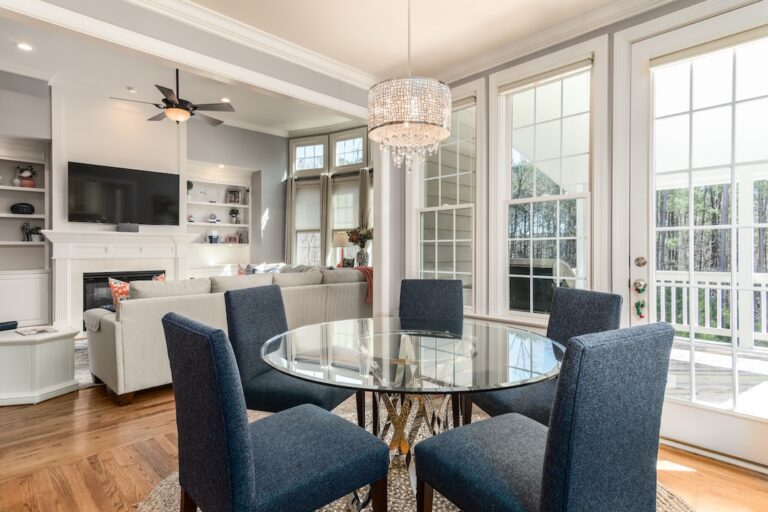
Maximising natural light is another important aspect of home staging. Natural light can make a space feel brighter, larger, and more inviting, which can be very appealing to potential buyers. There are several ways to maximise natural light in a home, including using sheer curtains or blinds that allow light to filter through, strategically placing mirrors to reflect light, and keeping windows clean and unobstructed. Additionally, using light-coloured paint on walls and ceilings can help to bounce light around the room, making it feel more spacious and airy.
In addition to enhancing the aesthetic appeal of a home, natural light has been shown to have positive effects on mood and well-being. By maximising natural light in a home, potential buyers are more likely to feel positive and uplifted when viewing the property. This can create a more favourable impression of the home and make it more likely that buyers will envision themselves living there. Ultimately, maximising natural light is an important aspect of home staging that can have a significant impact on the overall appeal of a property.
Using Neutral Colours
| Category | Metrics |
|---|---|
| Colour Psychology | Neutral colours create a calming and soothing effect |
| Interior Design | Neutral colours can make a room appear larger and more spacious |
| Fashion | Neutral colours are versatile and can be easily mixed and matched |
| Web Design | Neutral colours provide a clean and professional look |
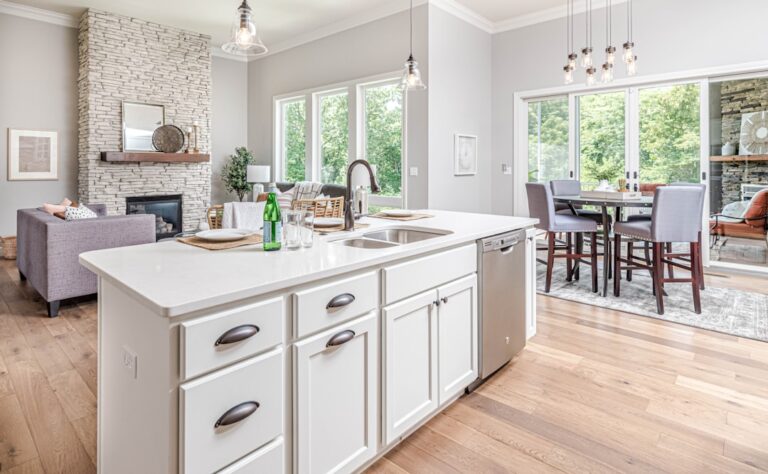
Using neutral colours is a key strategy in home staging as it can help create a blank canvas that allows potential buyers to envision their own style in the space. Neutral colours such as whites, greys, and beiges can make a home feel more open, airy, and versatile. They also create a sense of calm and tranquillity, which can be very appealing to potential buyers. Using neutral colours on walls, floors, and large furniture pieces can help create a cohesive and harmonious look throughout the home.
In addition to creating a neutral backdrop for potential buyers, using neutral colours can also help to highlight the home’s architectural features and design elements. By keeping the colour palette simple and understated, these features can take centre stage and become the focal point of the space. This can help create a more visually appealing environment that will resonate with potential buyers. Ultimately, using neutral colours is an effective strategy in home staging that can help create a versatile and appealing space for potential buyers.
Adding Fresh Flowers and Greenery
Adding fresh flowers and greenery is a simple yet effective way to enhance the visual appeal of a home when staging it for sale. Fresh flowers can add a pop of colour and fragrance to a space, creating a welcoming and inviting atmosphere for potential buyers. They can also help to soften the overall look of a room and add a touch of elegance and sophistication. Greenery, such as potted plants or leafy branches, can bring life and vitality to a space, making it feel more vibrant and lively.
In addition to their aesthetic appeal, fresh flowers and greenery can also help create a sense of connection with nature, which has been shown to have positive effects on mood and well-being. By bringing elements of nature into the home, potential buyers are more likely to feel relaxed and at ease when viewing the property. This can create a more positive impression of the home and make it more likely that buyers will form an emotional connection with the space. Ultimately, adding fresh flowers and greenery is a simple yet impactful way to enhance the overall appeal of a home when staging it for sale.
Highlighting Key Features

Highlighting key features is an important aspect of home staging as it can draw attention to the unique selling points of a property. Whether it’s a stunning fireplace, beautiful hardwood floors, or a picturesque view, showcasing these features can help create a memorable impression on potential buyers. This can involve using strategic lighting to draw attention to specific areas, arranging furniture to highlight architectural elements, or using accessories to accentuate key features.
By highlighting key features, potential buyers are more likely to remember the property and form a positive impression of it. This can make it more likely that they will envision themselves living in the space and ultimately make an offer on the property. Additionally, showcasing key features can help differentiate the property from others on the market, making it more likely to stand out and attract interest from potential buyers. Ultimately, highlighting key features is an important aspect of home staging that can help create a lasting impression on potential buyers.
Creating a Welcoming Entrance
Creating a welcoming entrance is crucial in making a positive first impression on potential buyers when staging a home for sale. The entrance sets the tone for the rest of the property and can influence how buyers perceive the entire home. This can involve adding potted plants or flowers near the front door, ensuring that the entrance is well-lit and inviting, and keeping the area clean and clutter-free. Additionally, adding a welcoming doormat or decorative elements can help create a warm and inviting atmosphere.
By creating a welcoming entrance, potential buyers are more likely to feel positive and excited about viewing the rest of the property. This can set the stage for a successful viewing experience and make it more likely that buyers will form a favourable impression of the home. Additionally, a welcoming entrance can help create an emotional connection with potential buyers, making them more likely to envision themselves living in the space. Ultimately, creating a welcoming entrance is an important aspect of home staging that can significantly impact how potential buyers perceive the property.
In conclusion, home staging is an essential aspect of preparing a property for sale in the real estate market. From decluttering and organising to maximising natural light and using neutral colours, there are many strategies that can be employed to enhance the visual appeal of a home for potential buyers. By adding fresh flowers and greenery, highlighting key features, and creating a welcoming entrance, sellers can create an inviting and appealing environment that will resonate with potential buyers. Ultimately, home staging plays a crucial role in making a positive first impression on potential buyers and increasing the likelihood of a successful sale at a higher price point.
FAQs
What is home staging?
Home staging is the process of preparing a home for sale in the real estate market. It involves making the home more appealing to potential buyers by arranging furniture, decluttering, and enhancing the overall appearance of the property.
Why is home staging important?
Home staging is important because it can help a property sell faster and for a higher price. By presenting a home in its best possible light, it can attract more potential buyers and create a positive first impression.
What are some home staging techniques?
Some home staging techniques include decluttering, depersonalising the space, rearranging furniture to create better flow, adding fresh flowers or plants, and enhancing curb appeal. It may also involve making minor repairs and applying a fresh coat of paint.
How can I stage my home on a budget?
To stage your home on a budget, focus on decluttering and deep cleaning the space. Rearranging furniture and adding inexpensive decorative items like throw pillows and fresh flowers can also make a big impact. Consider borrowing or renting furniture if needed.
Should I hire a professional home stager?
Hiring a professional home stager can be beneficial, especially if you’re not sure where to start or if you’re short on time. A professional can provide expert advice and help you create a tailored staging plan to maximise the appeal of your home.