The Ultimate Property Inspection Guide: Spotting Red Flags Before You Buy
When you embark on the journey of purchasing a property, the importance of property inspections cannot be overstated.
By conducting a thorough inspection, you gain invaluable insights into the condition of the property, allowing you to make informed decisions.
It’s not just about identifying existing issues; it’s also about understanding the overall health of the home and its systems. This knowledge empowers you to negotiate better terms or even reconsider your purchase if the findings are alarming. Moreover, property inspections can provide peace of mind.
Knowing that you have a comprehensive understanding of what you’re investing in can alleviate anxiety and uncertainty. You want to feel confident that your new home will be a safe and comfortable environment for you and your family. A detailed inspection report can highlight areas that may need immediate attention, as well as those that may require maintenance in the future.
This foresight can save you from unexpected repairs and expenses, making it an essential part of the home-buying process.
Key Takeaways
- Property inspections are important for identifying potential issues and ensuring the safety and value of a property.
- Common red flags to look for during property inspections include water damage, mold, and pest infestations.
- When conducting an exterior inspection, pay attention to the condition of the roof, siding, and landscaping.
- During interior inspections, check for signs of water damage, mold, and the overall condition of the flooring, walls, and ceilings.
- Plumbing and electrical inspections are crucial for identifying potential safety hazards and ensuring the functionality of these systems.
Common Red Flags to Look For
As you prepare for a property inspection, it’s crucial to be aware of common red flags that could indicate deeper issues. One of the most significant warning signs is water damage, which can manifest as stains on ceilings or walls, mold growth, or even warped flooring. These issues not only compromise the aesthetic appeal of a home but can also lead to serious structural problems if left unaddressed.
When you notice any signs of moisture intrusion, it’s essential to investigate further, as this could point to plumbing leaks or roof failures. Another red flag to keep an eye out for is the condition of the roof. A roof that appears saggy or has missing shingles can be a precursor to costly repairs.
Additionally, check for signs of pest infestations, such as droppings or nests in corners and attics. Pests can cause extensive damage over time, and their presence often indicates that the property has not been well-maintained. By being vigilant about these red flags during your inspection, you can better assess whether a property is worth pursuing or if it’s best to walk away.
Exterior Inspection Tips

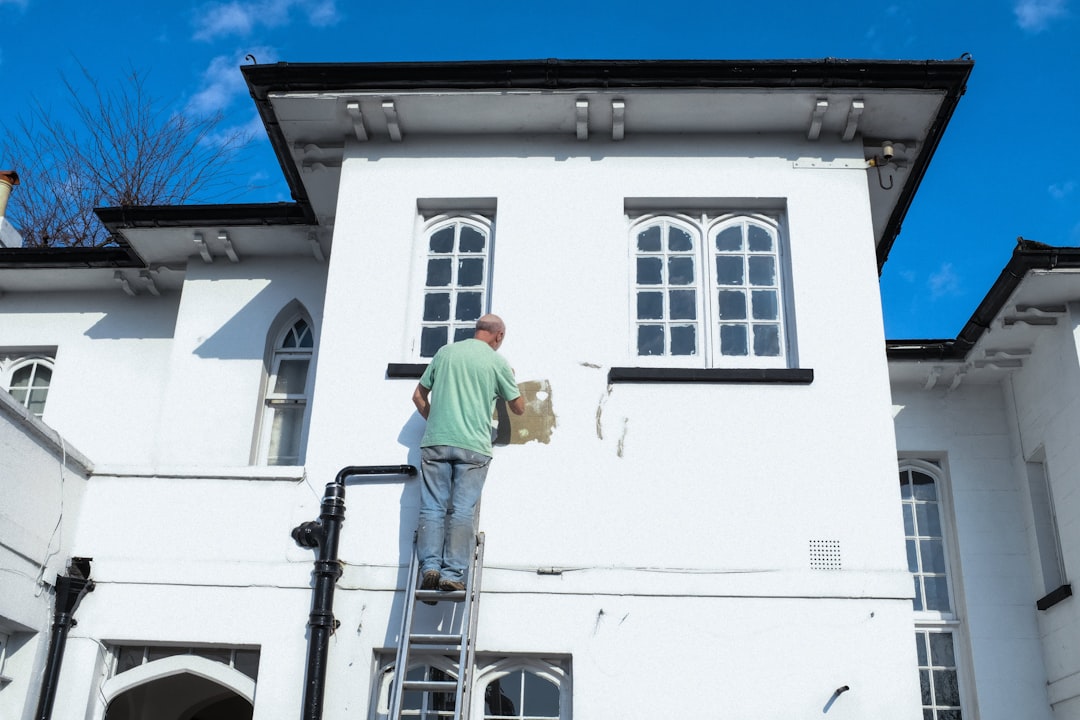
When inspecting the exterior of a property, there are several key areas to focus on to ensure a comprehensive evaluation. Start with the roof, as it plays a vital role in protecting the home from the elements. Look for any visible damage, such as missing shingles or signs of wear and tear.
Pay attention to the gutters and downspouts as well; they should be clear of debris and properly directing water away from the foundation. A well-maintained roof and drainage system can prevent water damage and extend the life of your home. Next, examine the siding and foundation of the property.
Cracks in the foundation or gaps in the siding can indicate structural issues that may require costly repairs. Additionally, check for any signs of rot or decay in wooden elements, such as decks or porches. These areas are often exposed to moisture and can deteriorate quickly if not properly maintained.
By taking the time to thoroughly inspect the exterior, you can identify potential problems early on and make informed decisions about your investment.
Interior Inspection Tips
| Area | Inspection Tips |
|---|---|
| Walls | Check for cracks, peeling paint, or water damage. |
| Floors | Look for stains, scratches, or uneven surfaces. |
| Ceilings | Inspect for water stains, cracks, or signs of leaks. |
| Windows | Check for drafts, broken seals, or damaged frames. |
| Doors | Test for proper alignment, smooth operation, and secure locks. |
As you move inside the property, your focus should shift to various aspects that contribute to its overall livability and safety. Start by checking for any signs of water damage on walls and ceilings, as these can indicate plumbing issues or roof leaks. Look for discoloration or peeling paint, which may suggest underlying problems that need addressing.
Additionally, pay attention to the condition of windows and doors; they should open and close smoothly without any gaps that could lead to drafts or security concerns. Another critical area to inspect is the heating and cooling systems. Ensure that the HVAC system is functioning properly by testing its operation and checking for any unusual noises or odors.
A well-maintained system is essential for comfort and energy efficiency. Don’t forget to examine the insulation in attics and crawl spaces; adequate insulation can significantly impact your energy bills and overall comfort in the home. By conducting a thorough interior inspection, you can identify potential issues that may affect your quality of life in the property.
Plumbing and Electrical Inspection
Plumbing and electrical systems are two of the most critical components of any home, and their inspection should not be overlooked. Start with plumbing by checking for leaks under sinks, around toilets, and in exposed pipes. Look for signs of corrosion or rust, which could indicate aging pipes that may need replacement soon.
Additionally, test water pressure by turning on faucets throughout the house; low pressure could signal blockages or other plumbing issues that require attention. When it comes to electrical systems, safety is paramount. Inspect outlets for any signs of damage or discoloration, which could indicate faulty wiring.
Ensure that all outlets are grounded and test them with a voltage tester if possible. Check the circuit breaker panel for any tripped breakers or signs of overheating. A well-functioning electrical system is essential for both safety and convenience in your new home.
By thoroughly inspecting these systems, you can avoid potential hazards and costly repairs in the future.
Structural and Foundation Inspection
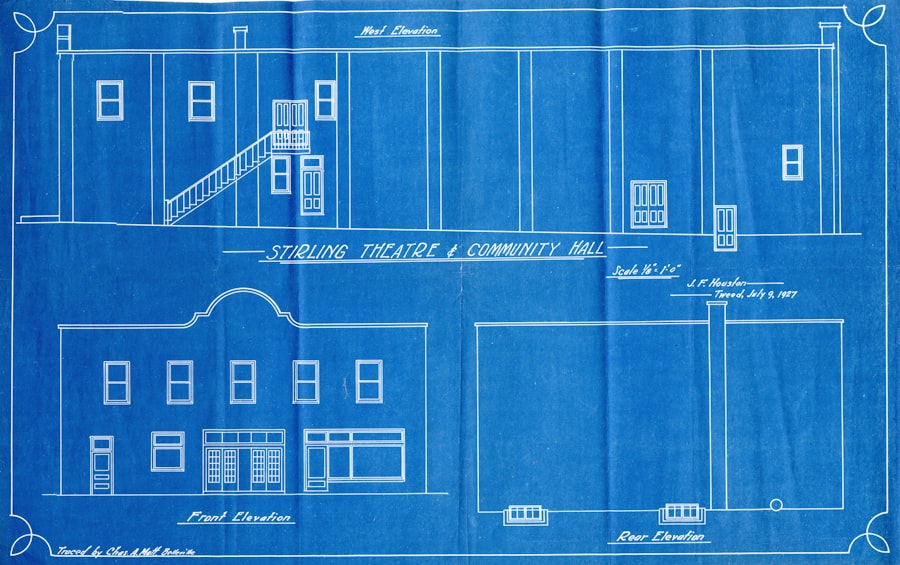
The structural integrity of a property is one of its most crucial aspects, as it directly impacts safety and longevity. Begin your inspection by looking for visible cracks in walls or ceilings, particularly those that are wider than a quarter-inch or appear to be growing over time. These cracks could indicate settling issues or other structural problems that may require professional evaluation.
Pay close attention to door frames; if doors are sticking or not closing properly, it could be a sign of shifting foundations. Foundation inspection is equally important; look for any signs of water pooling around the base of the house or cracks in the foundation itself. These issues can lead to significant structural damage if not addressed promptly.
Additionally, check for proper drainage around the foundation; gutters should direct water away from the house to prevent erosion and water intrusion. By conducting a thorough structural and foundation inspection, you can identify potential risks early on and take necessary steps to protect your investment.
Environmental Hazards to Watch Out For
As you navigate through your property inspection, it’s essential to remain vigilant about potential environmental hazards that could pose risks to your health and safety.
Be sure to inspect areas prone to moisture, such as basements, bathrooms, and kitchens, for any signs of mold or mildew.
Another environmental hazard to consider is lead paint, especially in homes built before 1978 when its use was banned in residential properties. If you suspect lead paint may be present, it’s crucial to have it tested by professionals before proceeding with renovations or repairs. Additionally, radon gas is another concern; this odorless gas can seep into homes from the ground and is known to be a leading cause of lung cancer.
Testing for radon levels is a wise precaution that can help ensure your new home is safe for you and your family.
When it comes to property inspections, you may find yourself weighing the pros and cons of hiring a professional inspector versus conducting a DIY inspection. While taking on this task yourself may seem appealing due to cost savings, it’s essential to recognize the expertise that a professional brings to the table. Certified inspectors have extensive training and experience in identifying issues that may not be immediately apparent to an untrained eye.
They also have access to specialized tools that can aid in their assessment. On the other hand, conducting a DIY inspection allows you to familiarize yourself with the property on a personal level. You can take your time examining each area without feeling rushed by an inspector’s schedule.
However, keep in mind that without proper training, you may overlook critical issues that could impact your decision-making process. Ultimately, whether you choose to hire a professional or go the DIY route depends on your comfort level with home inspections and your willingness to invest time into learning about potential problems within the property. In conclusion, property inspections are an indispensable part of the home-buying process that can save you from future headaches and financial strain.
By being aware of common red flags, employing thorough inspection techniques both inside and outside the home, and understanding critical systems like plumbing and electrical work, you position yourself for success in your real estate endeavors. Whether you opt for professional assistance or take on inspections yourself, being informed will empower you to make sound decisions regarding your investment.
FAQs
What is a property inspection?
A property inspection is a thorough examination of a property’s condition, typically conducted by a professional inspector. The purpose of the inspection is to identify any potential issues or red flags that may affect the property’s value or safety.
Why is a property inspection important?
A property inspection is important because it can uncover hidden problems or defects that may not be apparent to the untrained eye. Identifying these issues before purchasing a property can help buyers make informed decisions and avoid costly surprises down the road.
What are some common red flags to look for during a property inspection?
Common red flags to look for during a property inspection include structural damage, water damage, mold, pest infestations, electrical problems, plumbing issues, and roofing problems. These issues can be costly to repair and may indicate larger underlying problems with the property.
Who should conduct a property inspection?
A property inspection should be conducted by a qualified and experienced professional inspector. This may be a licensed home inspector, structural engineer, or other specialized inspector, depending on the specific concerns of the property.
When should a property inspection be conducted?
A property inspection should ideally be conducted before finalizing the purchase of a property. This allows buyers to negotiate repairs or pricing based on the findings of the inspection, and to make an informed decision about whether to proceed with the purchase.