
Maximize Property Value with Renovate to Accumulate
The “Renovate to Accumulate” strategy is a powerful approach in real estate investment that focuses on enhancing property value through targeted renovations. By investing in improvements, you can significantly increase the market value of your property, leading to greater returns when you decide to sell. This strategy is particularly appealing for those looking to build wealth over time, as it allows you to leverage your initial investment into a more valuable asset.
When you adopt the Renovate to Accumulate strategy, you are not merely making cosmetic changes; you are strategically enhancing the functionality and appeal of your property. This could involve anything from updating outdated kitchens and bathrooms to adding energy-efficient features that attract modern buyers.
The key is to identify which renovations will yield the highest return on investment (ROI) while also aligning with current market trends. By doing so, you position yourself to maximize your profits when it comes time to sell.
Key Takeaways
- Renovate to Accumulate strategy involves investing in property renovations to increase its value over time.
- Assess the current property value by researching comparable properties in the area and consulting with real estate professionals.
- Identify renovation opportunities by focusing on areas that will add the most value, such as kitchens, bathrooms, and curb appeal.
- Budget for renovation costs by carefully planning and estimating expenses for materials, labor, and unexpected contingencies.
- Choose renovation projects with high ROI by prioritizing upgrades that will yield the greatest return on investment, such as adding square footage or modernizing outdated features.
Assessing the Current Property Value
Before diving into renovations, it’s essential to assess the current value of your property accurately. This step serves as the foundation for your renovation strategy, helping you understand how much you can afford to invest and what potential returns you might expect. You can start by obtaining a professional appraisal or conducting a comparative market analysis (CMA) to gauge how similar properties in your area are performing.
This information will provide you with a clearer picture of your property’s standing in the market. Once you have a solid understanding of your property’s current value, consider factors that may influence its worth. Location, neighborhood trends, and local amenities all play significant roles in determining property value.
Additionally, take note of any unique features your property may have that could set it apart from others. By thoroughly assessing these elements, you can make informed decisions about which renovations will be most beneficial in increasing your property’s value.
Identifying Renovation Opportunities
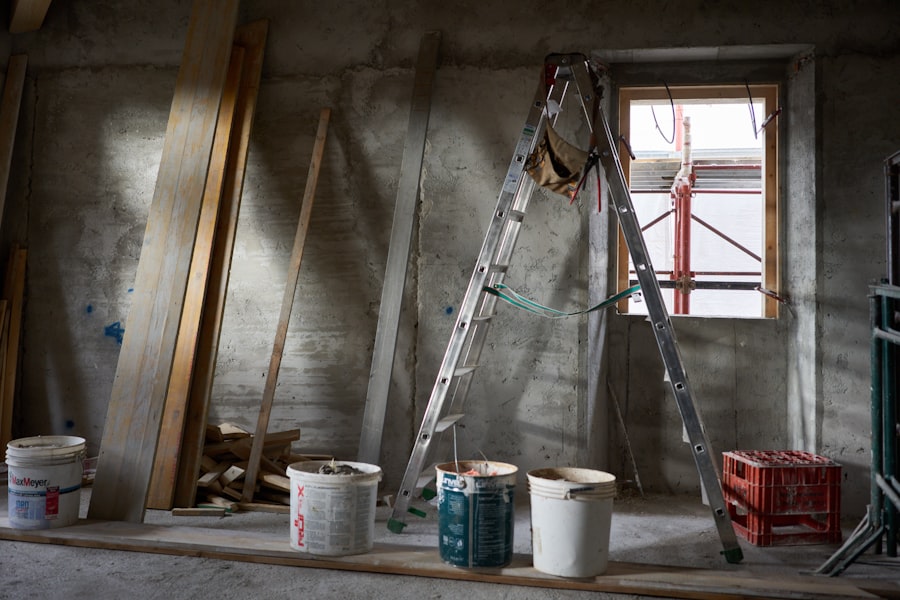
Identifying the right renovation opportunities is crucial for maximizing your investment. Start by evaluating the areas of your property that may be underperforming or outdated. For instance, if your kitchen is cramped and lacks modern appliances, it may be time for an upgrade.
Similarly, bathrooms that haven’t been updated in years can deter potential buyers. Focus on spaces that not only need improvement but also have the potential to significantly enhance the overall appeal of your home. In addition to aesthetic upgrades, consider functional improvements that can add value.
This might include adding an extra bedroom or bathroom, finishing a basement, or creating an open floor plan that appeals to contemporary buyers. Pay attention to market trends and buyer preferences in your area; for example, if outdoor living spaces are in high demand, investing in a deck or patio could yield substantial returns. By carefully selecting renovation opportunities that align with market needs, you can ensure that your investments will pay off.
Budgeting for Renovation Costs
| Renovation Item | Estimated Cost |
|---|---|
| Painting | 1500 |
| Flooring | 3000 |
| Kitchen Remodel | 8000 |
| Bathroom Remodel | 5000 |
| Roof Replacement | 7000 |
Once you’ve identified potential renovation projects, the next step is budgeting for these costs. A well-planned budget will help you avoid overspending and ensure that you allocate funds effectively across various projects. Start by obtaining quotes from contractors and suppliers to get a realistic idea of what each renovation will cost.
Be sure to include not only labor and materials but also any permits or fees associated with the work. It’s also wise to set aside a contingency fund for unexpected expenses that may arise during the renovation process. Renovations often come with surprises, such as hidden structural issues or delays in material delivery.
By planning for these contingencies, you can maintain financial stability throughout the project and avoid compromising on quality due to budget constraints. A thorough budget will empower you to make informed decisions and keep your renovation efforts on track.
Choosing Renovation Projects with High ROI
Not all renovations are created equal when it comes to return on investment. To maximize your profits, focus on projects that are known for delivering high ROI. Kitchen and bathroom remodels consistently rank among the top renovations for increasing property value.
Upgrading appliances, fixtures, and finishes can make these spaces more appealing to potential buyers while also improving functionality. In addition to kitchens and bathrooms, consider energy-efficient upgrades such as new windows, insulation, or HVAC systems. These improvements not only reduce utility costs but also attract environmentally conscious buyers who are willing to pay a premium for sustainable features.
Landscaping enhancements can also yield significant returns; well-maintained outdoor spaces create a positive first impression and enhance curb appeal. By prioritizing renovations with proven ROI, you can ensure that your investments translate into increased property value.
Implementing Sustainable and Energy-Efficient Upgrades
In today’s market, sustainability is more than just a trend; it’s a priority for many homebuyers. Implementing energy-efficient upgrades not only benefits the environment but also enhances your property’s appeal and value. Start by evaluating areas where energy efficiency can be improved, such as insulation, windows, and appliances.
Upgrading to Energy Star-rated appliances or installing solar panels can significantly reduce energy consumption and attract eco-conscious buyers. Additionally, consider incorporating sustainable materials into your renovations. Using reclaimed wood, low-VOC paints, and environmentally friendly flooring options can set your property apart while appealing to buyers who prioritize sustainability.
Not only do these upgrades contribute positively to the environment, but they also demonstrate a commitment to quality and modern living standards. By focusing on sustainable renovations, you position yourself as a forward-thinking seller in a competitive market.
Enhancing Curb Appeal and Outdoor Spaces
Curb appeal plays a vital role in attracting potential buyers and setting the tone for their overall impression of your property. The exterior of your home is the first thing buyers see, so investing in enhancements can make a significant difference in how quickly your property sells and at what price. Simple improvements such as fresh paint, new siding, or updated landscaping can create an inviting atmosphere that draws buyers in.
Don’t overlook outdoor spaces when considering renovations; they can be just as important as interior upgrades. Creating functional outdoor areas such as patios, decks, or gardens can enhance your property’s appeal and provide additional living space for potential buyers. Consider adding features like outdoor lighting or fire pits to create an inviting ambiance for entertaining guests.
By focusing on both curb appeal and outdoor enhancements, you can create a well-rounded property that stands out in the market.
Marketing and Selling the Renovated Property
Once your renovations are complete, it’s time to effectively market and sell your newly enhanced property. Start by capturing high-quality photographs that showcase the improvements you’ve made; professional images can significantly impact buyer interest online. Highlight key features in your listings, such as energy-efficient upgrades or beautifully renovated spaces, to attract attention.
They can assist in crafting compelling descriptions that emphasize the benefits of your renovations while also providing insights into pricing strategies based on comparable properties in the area. Hosting open houses or virtual tours can further engage potential buyers and allow them to experience the value of your renovations firsthand.
In conclusion, adopting the Renovate to Accumulate strategy requires careful planning and execution at every stage—from assessing current property value to marketing the finished product. By understanding the nuances of this approach and focusing on high-impact renovations, you can significantly increase your property’s worth while creating a desirable living space for future buyers. With thoughtful budgeting and an eye toward sustainability and curb appeal, you position yourself for success in the competitive real estate market.
FAQs
What is the importance of renovating an investment property?
Renovating an investment property can increase its value, attract higher quality tenants, and improve rental income potential.
What are some common renovations that add value to an investment property?
Common renovations that add value to an investment property include kitchen and bathroom upgrades, adding additional living space, improving curb appeal, and updating fixtures and finishes.
How can renovating an investment property attract higher quality tenants?
Renovations can make the property more appealing to potential tenants by offering modern amenities, improved functionality, and a more attractive living space.
What are some factors to consider before renovating an investment property?
Before renovating an investment property, it’s important to consider the budget, potential return on investment, local market trends, and the preferences of the target rental market.
How can renovations improve the rental income potential of an investment property?
Renovations can allow landlords to justify higher rental rates, attract tenants willing to pay more for updated features, and reduce vacancy periods by offering a more desirable property.