Transform Your Space: Top Home Staging Tips for a Picture-Perfect Property
Introduction
Home staging is the process of preparing a home for sale in order to make it more appealing to potential buyers. It involves making strategic changes to the home’s decor, layout, and overall presentation to create a welcoming and attractive space. Home staging is important because it can significantly increase the chances of selling a home quickly and for a higher price.
The Importance of Home Staging
Research has shown that home staging can have a significant impact on the sale of a property. According to a study conducted by the National Association of Realtors, 83% of buyers’ agents said that staging a home made it easier for buyers to visualize the property as their future home. Additionally, 40% of buyers’ agents said that staging a home increased the value of the property by 1-5%.
Home staging can also help a property stand out in a competitive market. With so many homes available for sale, it’s important to make your property memorable and appealing to potential buyers. Staging can help highlight the best features of your home and create a positive first impression, which can ultimately lead to more offers and a faster sale.
Declutter and Depersonalize Your Space
One of the first steps in home staging is decluttering and depersonalizing your space. This involves removing personal items such as family photos, excessive decorations, and any clutter that may be present. By doing this, you create a blank canvas that allows potential buyers to envision themselves living in the space.
To declutter effectively, start by going through each room and getting rid of any items that are not necessary or do not contribute to the overall aesthetic of the space. Consider donating or selling items that are in good condition but no longer needed. For items that you want to keep but don’t need on display, consider renting a storage unit to temporarily store them during the selling process.
Depersonalizing your space involves removing personal items such as family photos, religious or political items, and any other items that may be specific to your tastes or lifestyle. This helps potential buyers see the home as a blank canvas that they can make their own.
Enhance Your Curb Appeal
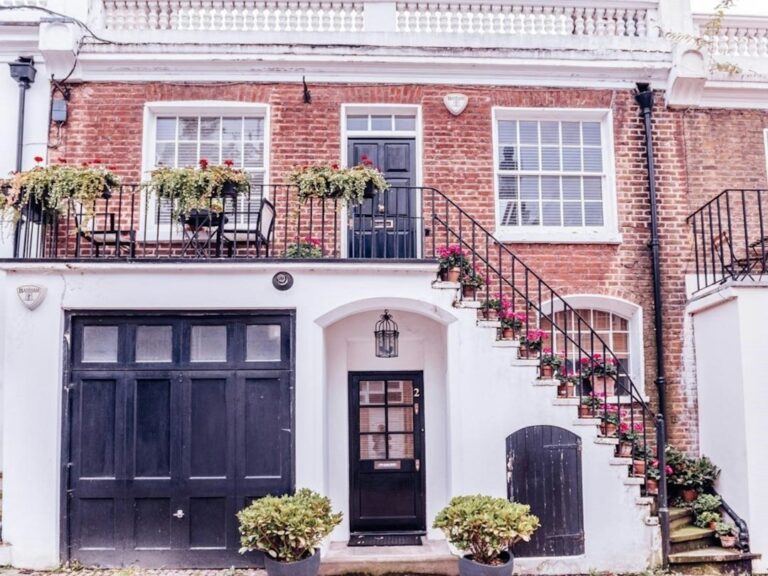
First impressions are crucial when it comes to selling a home, and the exterior of your property is the first thing potential buyers will see. Enhancing your home’s curb appeal can make a significant difference in attracting buyers and increasing the overall value of your home.
Start by ensuring that the exterior of your home is well-maintained. This includes cleaning the windows, power washing the siding or brick, and making any necessary repairs to the roof or gutters. Consider adding fresh paint to the front door and shutters to give your home a pop of color and make it stand out.
Landscaping is another important aspect of enhancing curb appeal. Make sure your lawn is well-maintained by mowing regularly and removing any weeds or dead plants. Consider adding some colorful flowers or plants to add visual interest and make your home more inviting.
Highlight Your Home’s Best Features
Every home has unique selling points that can help it stand out from the competition. It’s important to identify these features and highlight them during the staging process.
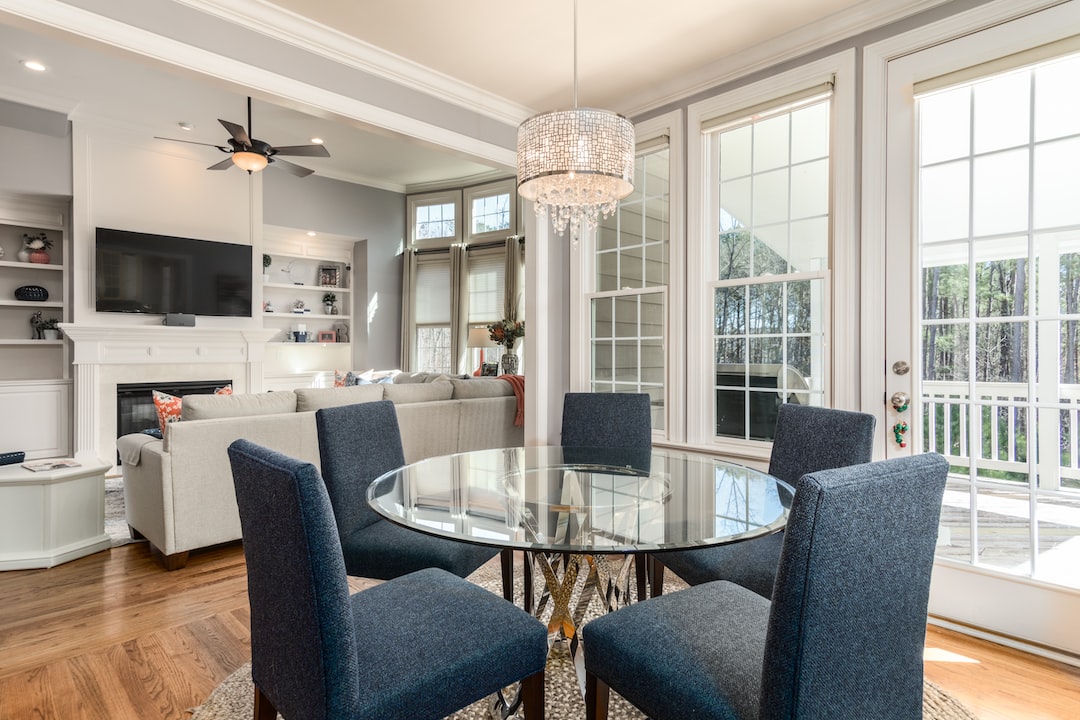
For example, if your home has a beautiful fireplace, make sure it is clean and well-maintained. Arrange furniture in a way that draws attention to the fireplace and creates a cozy atmosphere. If you have large windows with a great view, make sure they are clean and unobstructed so potential buyers can appreciate the natural light and scenery.
Consider creating focal points in each room that highlight its best features. This could be a piece of artwork, a unique architectural detail, or a well-styled bookshelf. By drawing attention to these features, you can create a memorable impression for potential buyers.
Create a Welcoming Atmosphere
When potential buyers walk into your home, you want them to feel instantly welcomed and comfortable. Creating a warm and inviting atmosphere can help make a positive impression and make buyers more likely to envision themselves living in the space.
Start by ensuring that your home is clean and smells fresh. Deep clean carpets, floors, and surfaces to remove any dirt or odors. Consider adding some scented candles or diffusers with a neutral scent to create a pleasant aroma throughout the home.
Arrange furniture in a way that promotes conversation and creates a cozy atmosphere. Use soft, comfortable textiles such as throw pillows and blankets to add warmth and comfort to seating areas. Consider adding some fresh flowers or greenery to bring life and color into the space.
Use Neutral Colors and Decor
When staging your home, it’s important to appeal to a wide range of potential buyers. Using neutral colors and decor can help create a blank canvas that allows buyers to envision themselves living in the space.
Consider painting walls in neutral colors such as beige, gray, or off-white. This will create a clean and fresh backdrop that will appeal to a wide range of tastes. Avoid using bold or bright colors that may be too specific to your personal style.
In terms of decor, keep it simple and minimalistic. Avoid using excessive decorations or personal items that may distract potential buyers. Stick to neutral decor such as vases, candles, and artwork that complements the overall aesthetic of the space.
Rearrange Furniture for Optimal Flow
The way furniture is arranged can have a significant impact on the flow and functionality of a space. When staging your home, it’s important to arrange furniture in a way that maximizes the space and creates a good flow throughout the home.
Start by removing any unnecessary furniture that may be cluttering the space or making it feel cramped. Consider renting smaller furniture if your current pieces are too large for the space. This will help create a sense of openness and make the rooms feel larger.
Arrange furniture in a way that promotes conversation and creates a natural flow from one room to another. Avoid blocking any pathways or doorways that may impede the flow of traffic. Consider using rugs to define different areas within a room and create visual interest.
Add Fresh Flowers and Greenery
Plants and flowers can add life and color to any space, making it more visually appealing and inviting. When staging your home, consider adding some fresh flowers and greenery to enhance the overall decor.
Place a vase of fresh flowers on the dining table or kitchen counter to create a focal point and add a pop of color. Consider using low-maintenance plants such as succulents or air plants in various rooms to add a touch of greenery.
In addition to adding visual interest, plants and flowers can also help improve air quality and create a sense of tranquility in the space. They can also help potential buyers envision themselves caring for and enjoying the space.
Don’t Forget About Lighting
Lighting is an important aspect of home staging that is often overlooked. Good lighting can make a space feel bright, open, and welcoming, while poor lighting can make a space feel dark and uninviting.
Start by maximizing natural light by opening curtains or blinds and removing any obstructions that may be blocking windows. Clean windows thoroughly to ensure that they are free from dirt or smudges that may obstruct light.
In addition to natural light, consider adding additional lighting sources such as floor lamps, table lamps, or pendant lights. This will help create a warm and inviting atmosphere, especially in rooms that may not receive as much natural light.
Hire a Professional Home Stager
While it is possible to stage your home on your own, hiring a professional home stager can offer many benefits. A professional stager has the expertise and experience to create a cohesive and appealing look that will attract potential buyers.
A professional home stager can provide an objective perspective and help identify the best features of your home. They can also offer advice on how to address any potential issues or areas that may need improvement.
Additionally, a professional home stager will have access to a wide range of furniture, decor, and accessories that can be used to enhance the overall look of your home. They can also provide guidance on how to arrange furniture and create a good flow throughout the space.
Conclusion
In conclusion, home staging is an important step in the selling process that can significantly increase the chances of selling your home quickly and for a higher price. By decluttering and depersonalizing your space, enhancing curb appeal, highlighting your home’s best features, creating a welcoming atmosphere, using neutral colors and decor, rearranging furniture for optimal flow, adding fresh flowers and greenery, paying attention to lighting, and potentially hiring a professional home stager, you can create a space that is appealing to potential buyers and helps them envision themselves living in the space.