Top Mistakes to Avoid: What Not to Fix When Selling Your House
Introduction: The Importance of Avoiding Mistakes When Selling Your House
Selling a house is a significant financial and emotional decision that requires careful planning and execution. It is not a process to be taken lightly, as it can have a profound impact on your future. Avoiding common mistakes can help you sell your home faster and at a better price. By being aware of these pitfalls and taking proactive steps to avoid them, you can increase your chances of a successful home sale.
Overpricing Your Home: The Risks and Consequences
One of the most common mistakes homeowners make when selling their house is overpricing it. While it may be tempting to list your home at a higher price in the hopes of getting more money, this strategy can backfire. Overpricing your home can deter potential buyers and prolong the selling process. Buyers are savvy and have access to market data, so they will likely recognize when a home is overpriced. This can lead to lower offers and a lower final sale price.
When a home is overpriced, it often sits on the market for an extended period of time. This can create the perception that there is something wrong with the property, even if there isn’t. Potential buyers may wonder why the house hasn’t sold and may be hesitant to make an offer. As time goes on, you may find yourself having to reduce the price multiple times in order to attract buyers. This can result in a lower final sale price than if you had priced it correctly from the beginning.
Neglecting Repairs and Maintenance: The Impact on Your Home’s Value
Another mistake that homeowners often make when selling their house is neglecting repairs and maintenance. It is important to remember that buyers are looking for a move-in ready home, not a fixer-upper. Neglecting repairs and maintenance can decrease your home’s value and make it less attractive to buyers.
When potential buyers see a home that is in disrepair, they may assume that there are other hidden issues as well. This can lead to lower offers and a longer selling process. Additionally, neglecting repairs and maintenance can result in costly surprises during the inspection process. Buyers will likely hire a professional inspector to evaluate the condition of the home, and any issues that arise can give them leverage to negotiate a lower price or request repairs.
Taking the time to address any necessary repairs and perform regular maintenance before listing your home can make a significant difference in its value and appeal to buyers. It shows that you have taken care of the property and increases buyer confidence in the overall condition of the home.
Ignoring Curb Appeal: How First Impressions Matter
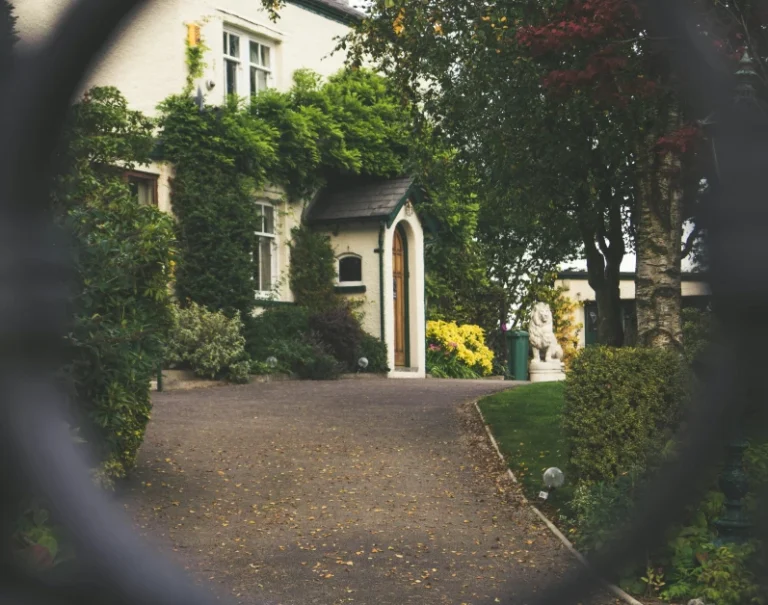
They say you only get one chance to make a first impression, and this holds true when it comes to selling your house. Ignoring curb appeal is a mistake that can have a negative impact on potential buyers’ perception of your home. Curb appeal refers to the attractiveness of your home’s exterior, including the landscaping, exterior paint, and overall appearance.
When potential buyers drive up to your home, they are forming an opinion before they even step foot inside. If the exterior of your home is unkempt or unappealing, it can create a negative first impression. This can make it more difficult to sell your home and may result in lower offers.
Investing time and effort into improving your home’s curb appeal can pay off in the long run. Simple tasks such as mowing the lawn, trimming bushes, and adding fresh flowers can make a big difference. Consider giving your front door a fresh coat of paint or adding some potted plants to create an inviting entrance. These small changes can help create a positive first impression and make potential buyers more excited about seeing the rest of your home.
Failing to Stage Your Home: The Power of Presentation
Staging your home is another important aspect of the selling process that homeowners often overlook. Staging involves arranging furniture and decor in a way that highlights the best features of your home and helps potential buyers envision themselves living in the space.
Failing to stage your home can make it appear cluttered and uninviting. It can also make it more difficult for potential buyers to visualize how they would use the space. By taking the time to declutter, rearrange furniture, and add some tasteful decor, you can create a more appealing environment for potential buyers.
Staging can also help highlight the unique features of your home and make it stand out from the competition. Professional stagers have a keen eye for design and know how to create a welcoming atmosphere that appeals to a wide range of buyers. While it may require an upfront investment, staging can ultimately help you sell your home faster and at a better price.
Being Too Emotionally Attached to Your Home: The Pitfalls of Sentimentality
Selling a home can be an emotional process, especially if you have lived in the house for many years or have fond memories associated with it. However, being too emotionally attached to your home can lead to unrealistic expectations and decisions that may hinder the selling process.
It is important to remember that when you decide to sell your home, it becomes a product on the market. Potential buyers are not interested in your personal attachment or sentimental value; they are looking for a property that meets their needs and preferences. By detaching yourself emotionally from your home, you can approach the selling process with a more objective mindset.
Being emotionally attached to your home can also make it harder to negotiate and accept offers. You may have an inflated sense of its value or be unwilling to make necessary compromises. This can result in missed opportunities and a longer selling process.
Not Hiring a Professional Real Estate Agent: The Benefits of Expertise
One of the biggest mistakes homeowners make when selling their house is not hiring a professional real estate agent. While it may be tempting to try and sell your home on your own to save money on commission fees, this decision can often backfire.
A professional real estate agent can provide valuable expertise and guidance throughout the selling process. They have a deep understanding of the local market and can help you price your home correctly, market it effectively, and negotiate with potential buyers. They also have access to a network of other agents and potential buyers, which can help increase exposure for your home.
Not hiring an agent can lead to costly mistakes and a longer selling process. Without the knowledge and experience of a professional, you may struggle to navigate the complexities of the real estate market. You may also find it challenging to effectively market your home and attract qualified buyers.
While there are costs associated with hiring a real estate agent, the benefits often outweigh the expenses. A skilled agent can help you sell your home faster and at a better price, ultimately saving you time, money, and stress.
Rushing the Selling Process: The Dangers of Impatience
Selling a home is not a process that can be rushed. It requires careful planning, preparation, and execution. Rushing the selling process can lead to poor decisions and missed opportunities.
When homeowners are in a hurry to sell their home, they may be more likely to accept low offers or make concessions that they later regret. They may also overlook important details or fail to thoroughly vet potential buyers. This can result in a lower final sale price or even legal issues down the line.
It is important to take the time to properly prepare your home for sale, market it effectively, and carefully consider each offer that comes in. This will ensure that you are making informed decisions and maximizing your chances of a successful sale.
Not Disclosing Important Information: The Legal and Ethical Obligations
When selling your home, it is essential to be transparent and disclose any important information about the property. This includes any known defects, repairs, or issues that may impact the buyer’s decision to purchase the home.
Not disclosing important information can lead to legal and ethical issues. In many jurisdictions, sellers are legally obligated to disclose any material defects or issues with the property. Failure to do so can result in legal action and financial consequences.
Even if you are not legally required to disclose certain information, it is still important to be honest and upfront with potential buyers. Building trust and maintaining a good reputation in the real estate community is crucial for future transactions.
Conclusion: The Key Takeaways for a Successful Home Sale
Selling your home can be a complex and challenging process, but by avoiding common mistakes, you can increase your chances of a successful sale. Some key takeaways include:
– Avoid overpricing your home, as it can deter potential buyers and lead to a lower final sale price.
– Take care of necessary repairs and maintenance before listing your home to increase its value and appeal.
– Pay attention to curb appeal, as first impressions matter and can impact potential buyers’ perception of your home.
– Stage your home to create an inviting environment that helps potential buyers envision themselves living there.
– Avoid being too emotionally attached to your home, as it can lead to unrealistic expectations and hinder negotiations.
– Hire a professional real estate agent who can provide expertise and guidance throughout the selling process.
– Take your time and avoid rushing the selling process, as impatience can lead to poor decisions and missed opportunities.
– Be transparent and disclose any important information about your home to avoid legal and ethical issues.
By following these guidelines and being proactive in your approach to selling your home, you can increase your chances of a successful sale. Remember that selling a house is a significant decision, so it is important to take the time and effort to do it right.