From Curb Appeal to Closing: How to Sell Your Property for Top Dollar
Introduction
Selling a home can be a complex and daunting process. From preparing your property for sale to negotiating offers and closing the deal, there are many steps involved in ensuring a successful sale. Each step in the process is important and plays a crucial role in attracting buyers, determining the right price, and finalizing the sale. In this article, we will explore the key steps in the home selling process and provide tips and strategies for navigating each step effectively.
First Impressions Matter: Boosting Your Curb Appeal
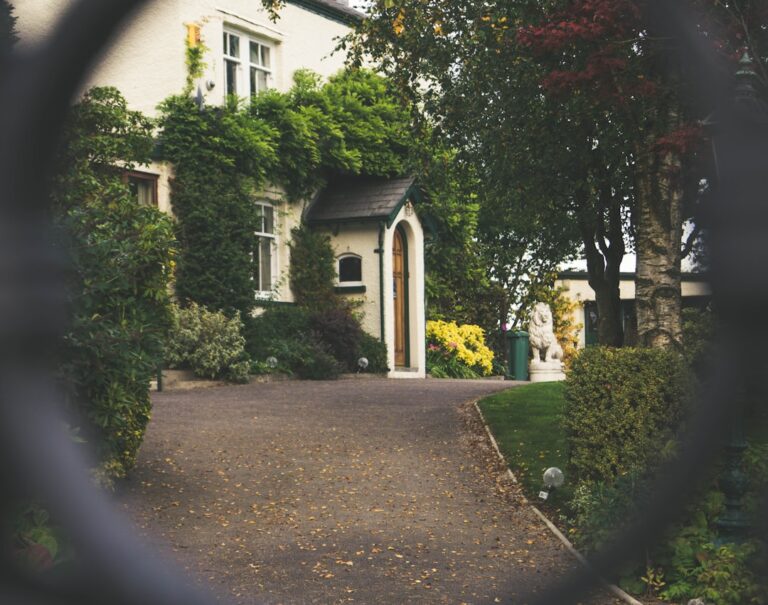
When it comes to selling your home, first impressions matter. The exterior of your property is the first thing potential buyers will see, and it can greatly influence their decision to even step foot inside. This is why boosting your curb appeal is crucial in attracting buyers and generating interest in your home.
There are several tips you can follow to improve your home’s curb appeal. Start by ensuring that your lawn is well-maintained and free of any weeds or dead plants. Consider adding some colorful flowers or plants to add a pop of color to your front yard. Repaint your front door and trim if necessary, and make sure that your house numbers are clearly visible. Additionally, clean your windows and power wash your driveway and walkways to give your home a fresh and inviting look.
Pricing Your Property: Finding the Sweet Spot
Pricing your property correctly is essential in attracting potential buyers and ensuring a successful sale. There are several factors to consider when determining the right price for your home. Start by researching the local real estate market and comparing the prices of similar properties in your area. Take into account the size, condition, and location of your home, as well as any unique features or upgrades it may have.
It is also important to consider the current market conditions. If it is a seller’s market with high demand and low inventory, you may be able to price your home slightly higher. On the other hand, if it is a buyer’s market with low demand and high inventory, you may need to price your home competitively to attract buyers.
Strategies for determining the right price include getting a professional appraisal or consulting with a real estate agent who has experience in your local market. They can provide you with a comparative market analysis (CMA) that takes into account recent sales and market trends to help you determine the optimal price for your home.
Staging Your Home: Making It Irresistible to Buyers
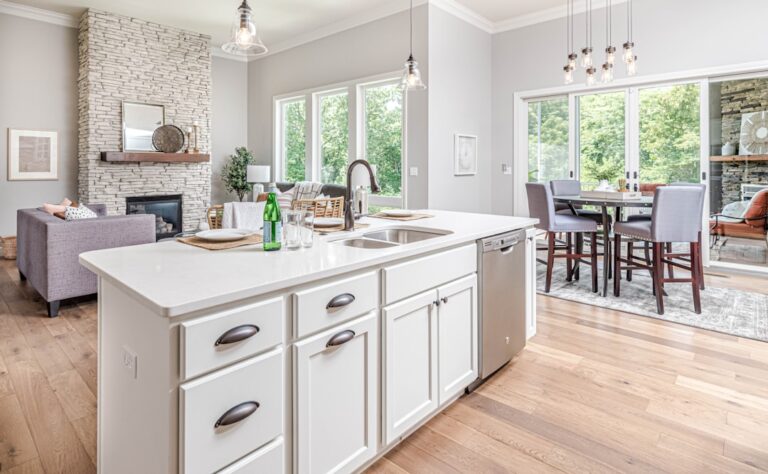
Staging your home is an effective way to make it more appealing to potential buyers. By showcasing your home’s best features and creating a welcoming and inviting atmosphere, you can increase the chances of a quick and successful sale.
The benefits of staging your home are numerous. It allows potential buyers to envision themselves living in the space and helps them see the full potential of each room. Staging can also make your home appear larger, brighter, and more organized, which can greatly enhance its appeal.
Tips for effective home staging include decluttering and depersonalizing your space to create a clean and neutral canvas. Rearrange furniture to create an open and spacious layout, and consider adding some fresh flowers or plants to add a touch of nature. Additionally, make sure that your home is clean and well-maintained, and consider repainting walls or updating fixtures if necessary.
Marketing Your Property: Reaching the Right Audience
Effective marketing is crucial in selling your home. It is important to reach the right audience and generate interest in your property. There are several strategies you can employ to market your property effectively.
Start by creating high-quality photos and videos of your home to showcase its best features. Use professional photography and consider hiring a videographer to create a virtual tour of your property. These visuals can be used in online listings, social media posts, and marketing materials.
Utilize online platforms and listing websites to reach a wider audience. Consider hiring a real estate agent who has a strong online presence and can market your property effectively. They can also help you create compelling descriptions and highlight the unique features of your home.
In addition to online marketing, consider hosting open houses and distributing flyers or brochures in your local community. Word-of-mouth can also be a powerful marketing tool, so don’t hesitate to spread the word about your home sale to friends, family, and colleagues.
Hosting Open Houses: Creating a Welcoming Environment
Hosting open houses is an effective way to showcase your home to potential buyers and generate interest. It allows them to see the property in person and ask any questions they may have. Creating a welcoming environment is crucial in making a positive impression and increasing the chances of a successful sale.
To create a welcoming environment, start by decluttering and cleaning your home thoroughly. Remove any personal items and make sure that each room is well-lit and organized. Consider adding some fresh flowers or scented candles to create a pleasant aroma.
During the open house, greet potential buyers warmly and provide them with any necessary information about the property. Be prepared to answer questions and highlight the unique features of your home. Consider offering refreshments and creating a comfortable and inviting atmosphere.
Responding to Offers: Negotiating the Best Deal
Responding to offers and negotiating the best deal for your home is an important step in the selling process. It is crucial to carefully consider each offer and negotiate effectively to ensure a successful sale.
When responding to offers, take into account the price, terms, and contingencies. Consider consulting with a real estate agent or attorney to help you review and understand each offer. They can provide guidance on how to negotiate effectively and ensure that your best interests are represented.
Strategies for negotiating the best deal include being open to counteroffers and considering the overall value of each offer. Don’t solely focus on the price, but also consider the buyer’s financing and their ability to close the deal. Be prepared to negotiate on terms such as the closing date, repairs, or any other contingencies.
Inspections and Appraisals: Ensuring a Smooth Process
Inspections and appraisals are an important part of the home selling process. They help ensure that the property is in good condition and that the agreed-upon price is fair. It is important to be prepared for these inspections and appraisals to ensure a smooth process.
Inspections are typically conducted by a professional inspector who will thoroughly examine the property for any issues or defects. It is important to address any necessary repairs or issues before the inspection to avoid any surprises. Be prepared to negotiate with the buyer on any repairs or credits that may be requested based on the inspection report.
Appraisals are conducted by a licensed appraiser who will determine the fair market value of your home. It is important to provide the appraiser with any relevant information about your property, such as recent upgrades or improvements. Be prepared to negotiate with the buyer if the appraisal comes in lower than the agreed-upon price.
Closing the Deal: Finalizing the Sale
Closing the deal is the final step in the home selling process. It involves signing the necessary paperwork, transferring ownership, and receiving payment for your property. It is important to ensure a smooth and efficient closing process to finalize the sale effectively.
Tips for closing the deal include hiring a real estate attorney or escrow agent to handle the legal and financial aspects of the transaction. They can review the closing documents, ensure that all necessary paperwork is completed, and coordinate with the buyer’s agent and lender.
Be prepared to provide any necessary documentation, such as the title deed, mortgage payoff statement, and any other relevant paperwork. Review the closing statement carefully to ensure that all fees and expenses are accurate.
Dealing with Unexpected Hurdles: Navigating Challenges
During the home selling process, unexpected hurdles may arise that can complicate the sale. It is important to be prepared for these challenges and have strategies in place to navigate them effectively.
Common challenges that may arise include issues with financing, delays in the closing process, or unexpected repairs that need to be addressed. It is important to stay calm and communicate effectively with all parties involved. Consider consulting with a real estate agent or attorney who can provide guidance and help you navigate any challenges that may arise.
Strategies for navigating unexpected hurdles include being proactive and addressing any issues as soon as they arise. Stay in close communication with the buyer’s agent, lender, and any other parties involved in the transaction. Be prepared to negotiate and find solutions that are mutually beneficial for all parties.
Post-Sale Follow-Up: Maintaining Positive Relationships with Buyers
Maintaining positive relationships with buyers after the sale is important for future referrals and potential business opportunities. It is important to follow up with buyers and ensure that they are satisfied with their purchase.
Tips for post-sale follow-up include sending a thank-you note or email to the buyer expressing your gratitude for their business. Consider offering any assistance or resources they may need as they settle into their new home. Stay in touch and provide any necessary information or documentation they may require.
Maintaining positive relationships with buyers can lead to future referrals and potential business opportunities. It is important to leave a lasting impression and ensure that buyers have a positive experience throughout the entire home selling process.
Conclusion
Selling a home can be a complex and challenging process, but by following these tips and strategies, you can increase the chances of a successful sale. Each step in the process is important and plays a crucial role in attracting buyers, determining the right price, and finalizing the sale. By boosting your curb appeal, pricing your property correctly, staging your home effectively, marketing your property to the right audience, hosting open houses, responding to offers, ensuring a smooth inspection and appraisal process, closing the deal effectively, navigating unexpected hurdles, and maintaining positive relationships with buyers, you can successfully sell your home and move on to the next chapter of your life.