Transform Your Home’s Exterior with These Curb Appeal Landscaping Tips
Introduction: The Importance of Curb Appeal
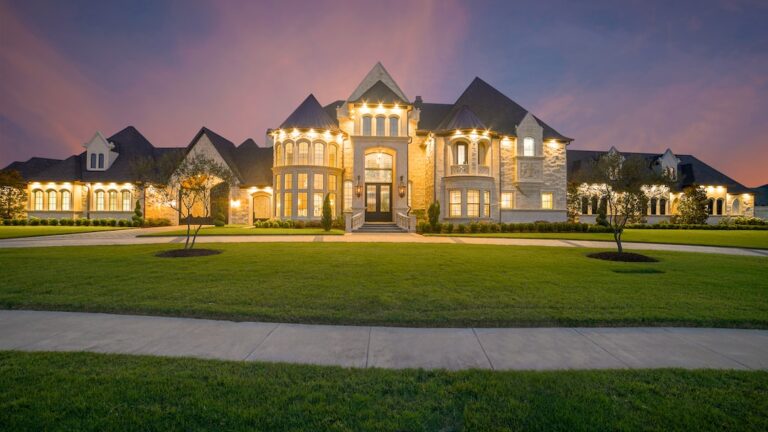
Curb appeal is the first impression people have of your home. It is the way your property looks from the street and can greatly impact the overall value and appeal of your home. A well-maintained and attractive exterior can increase property value, enhance the neighborhood, and make you proud to call it your own.
When potential buyers or guests approach your home, the exterior is the first thing they see. It sets the tone for their entire experience and can greatly influence their perception of the property. A well-kept exterior with beautiful landscaping and a welcoming entrance can make a positive impression and create a sense of anticipation for what lies inside.
In addition to creating a positive first impression, curb appeal can also increase the value of your property. A well-maintained exterior can make your home more attractive to potential buyers, leading to higher offers and a quicker sale. Even if you’re not planning on selling anytime soon, increasing your home’s value is always a smart investment.
Furthermore, curb appeal can enhance the overall appeal of your neighborhood. When all the homes in a neighborhood have well-maintained exteriors and beautiful landscaping, it creates a sense of pride and community. It can also attract more potential buyers and increase property values for everyone in the area.
Assessing Your Home’s Exterior: Where to Start
Before you start designing your dream landscape, it’s important to assess your home’s exterior and identify any problem areas that need attention. Take a walk around your property and carefully observe every aspect of your home’s exterior.
Start by looking at the condition of your home’s facade. Are there any cracks or peeling paint? Is the siding in good condition? Take note of any areas that need repair or maintenance.
Next, look at your landscaping. Are there any overgrown or dead plants? Are there any areas that are bare or lacking in visual interest? Take note of any problem areas that need attention.
Consider your home’s architecture and style when assessing your exterior. Certain landscaping styles may complement certain architectural styles better than others. For example, a modern home may look best with clean lines and minimalistic landscaping, while a Victorian home may benefit from more ornate and traditional landscaping.
Creating a Plan: Designing Your Dream Landscape
Once you have assessed your home’s exterior and identified any problem areas, it’s time to create a plan for your dream landscape. Start by determining your style and the overall look you want to achieve. Do you prefer a formal or informal garden? Are you drawn to a specific color scheme or theme? Consider your personal preferences and the style of your home when making these decisions.
Next, consider your budget. Landscaping can be a significant investment, so it’s important to determine how much you are willing to spend. Consider the cost of plants, materials, and any professional help you may need. It’s also important to factor in ongoing maintenance costs.
When designing your landscape, it’s important to plan for future growth. Consider how plants will mature over time and make sure to leave enough space for them to grow. This will prevent overcrowding and the need for frequent replanting in the future.
Choosing the Right Plants: What to Consider
Choosing the right plants for your landscape is crucial for its long-term success. Consider the climate and soil conditions in your area when selecting plants. Some plants thrive in hot and dry climates, while others prefer cooler and more humid conditions. Make sure to choose plants that are well-suited to your specific climate.
Maintenance requirements are another important factor to consider when choosing plants. Some plants require regular pruning and trimming, while others are low-maintenance and require little care. Consider how much time and effort you are willing to put into maintaining your landscape before selecting plants.
Color and texture are also important considerations when choosing plants. Think about how different colors and textures will work together to create visual interest and complement your home’s exterior. Consider using a variety of plants with different bloom times to ensure year-round color and interest.
Creating a Focal Point: Adding Interest to Your Yard
Creating a focal point in your yard can add interest and draw attention to specific areas. There are many ways to create a focal point, such as adding water features, garden art, or outdoor seating areas.
Water features, such as fountains or ponds, can create a sense of tranquility and add visual interest to your landscape. They can also attract wildlife and provide a soothing sound element to your outdoor space.
Garden art, such as sculptures or statues, can add a unique and personal touch to your landscape. They can serve as conversation starters and create a sense of whimsy or elegance, depending on your style.
Outdoor seating areas, such as patios or decks, can provide a place for relaxation and entertainment. They can be designed to complement your home’s architecture and provide a seamless transition between indoor and outdoor living spaces.
Adding Color: The Power of Flowers and Blooms
Adding color to your landscape is a great way to enhance its beauty and create visual interest. Flowers and blooms are an excellent way to add color, as they come in a wide variety of hues and can be easily changed out seasonally.
When choosing flowers for your landscape, consider whether you want to use annuals or perennials. Annuals need to be replanted each year but offer a wide range of colors and bloom times. Perennials, on the other hand, come back year after year but may have a more limited color palette.
Consider using color schemes when selecting flowers for your landscape. You can choose complementary colors for a harmonious look or contrasting colors for a bold statement. Think about how different colors will work together and create a cohesive and visually pleasing landscape.
Seasonal interest is another important consideration when adding color to your landscape. Choose plants that bloom at different times throughout the year to ensure year-round color and interest. This will prevent your landscape from looking dull or bare during certain seasons.
Incorporating Hardscaping: Enhancing Your Home’s Architecture
In addition to plants, hardscaping elements can greatly enhance your home’s architecture and overall curb appeal. Walkways and paths can create a sense of direction and guide visitors through your landscape. They can be made from a variety of materials, such as stone, brick, or concrete, and can be designed to complement your home’s style.
Retaining walls can be used to create terraced areas or define different sections of your landscape. They can be made from a variety of materials, such as stone or wood, and can add visual interest and dimension to your yard.
Patios and decks provide outdoor living spaces where you can relax, entertain, and enjoy your landscape. They can be designed to complement your home’s architecture and provide a seamless transition between indoor and outdoor living spaces.
Lighting Your Landscape: Adding Ambiance and Security
Lighting is an important aspect of any landscape design. It not only adds ambiance but also provides security and safety. There are several types of lighting that can be used to enhance your landscape.
Pathway lighting is used to illuminate walkways and paths, making them safe and easy to navigate at night. It can also add a soft glow to your landscape, creating a warm and inviting atmosphere.
Accent lighting is used to highlight specific features in your landscape, such as trees, shrubs, or architectural elements. It can create dramatic effects and draw attention to focal points in your yard.
Security lighting is used to deter intruders and provide peace of mind. It can be strategically placed around your property to illuminate dark areas and make your home less attractive to potential burglars.
Maintaining Your Curb Appeal: Tips for Long-Term Success
Once you have created your dream landscape, it’s important to maintain it to ensure its long-term success. Regular watering and fertilizing are essential for the health and vitality of your plants. Make sure to water your plants deeply and consistently, especially during dry periods. Fertilize your plants regularly to provide them with the nutrients they need to thrive.
Pruning and trimming are also important maintenance tasks. Regularly prune and trim your plants to remove dead or diseased branches and promote healthy growth. This will also help maintain the shape and appearance of your plants.
Seasonal clean-up is another important aspect of maintaining your curb appeal. Remove any fallen leaves, debris, or weeds from your landscape regularly to keep it looking neat and tidy. This will prevent your landscape from looking unkempt and neglected.
Conclusion: Enjoying Your Beautiful Home and Landscape
In conclusion, curb appeal is an important aspect of homeownership that can greatly enhance the value and appeal of your home. By assessing your home’s exterior, creating a plan, choosing the right plants, adding focal points, incorporating hardscaping, lighting your landscape, and maintaining it regularly, you can create a beautiful and inviting outdoor space that you can enjoy for years to come. So go ahead, invest in your curb appeal and enjoy the benefits of a well-maintained landscape.