Maximizing Your Home’s Potential: The Art of Staging a House
Introduction
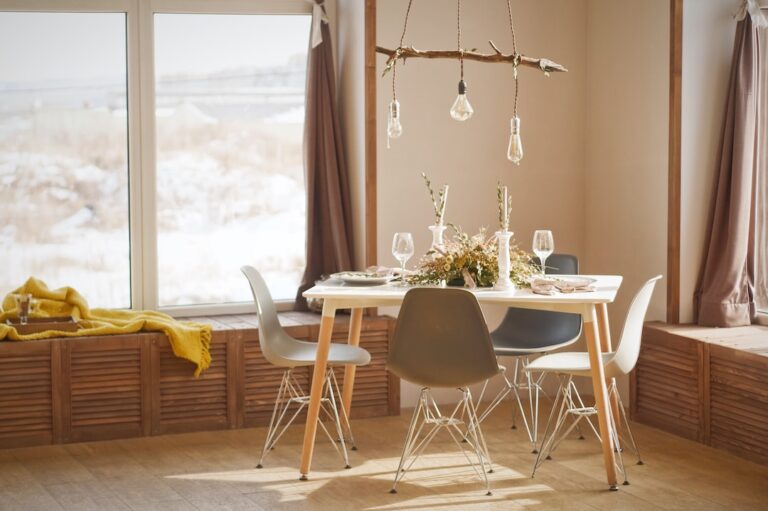
Home staging is the process of preparing a home for sale by making it more appealing to potential buyers. It involves arranging furniture, decluttering, and adding decorative touches to create a welcoming atmosphere. The goal of home staging is to showcase the home’s best features and help buyers envision themselves living in the space. Home staging is important because it can increase the value of a home, lead to a faster sale, and generate more buyer interest.
Why Staging Your Home Is Important
Staging your home is important because it can significantly impact the sale of your property. According to the National Association of Realtors, staged homes sell 88% faster and for 20% more than non-staged homes. This is because staging helps potential buyers visualize themselves living in the space and creates an emotional connection. When a home is staged, it looks more inviting and appealing, which can lead to more offers and a higher selling price.
The Benefits of Staging Your Home
A. Increased home value: One of the main benefits of staging your home is that it can increase its value. When a home is staged, it looks well-maintained and updated, which can justify a higher asking price. Staging can also help highlight the home’s best features and downplay any flaws or imperfections.
B. Faster home sale: Staging your home can also lead to a faster sale. When a home is staged, it stands out from the competition and attracts more potential buyers. This increased interest can result in multiple offers and a quicker sale.
C. Better online listing photos: In today’s digital age, most buyers start their search online. Having professional photos of a staged home can make a significant difference in attracting potential buyers. Staged homes tend to look more appealing in photos, which can generate more interest and showings.
D. Increased buyer interest: Staging your home can also generate more buyer interest. When a home is staged, it creates a sense of urgency and excitement among potential buyers. They are more likely to schedule showings and make offers on a home that looks well-maintained and move-in ready.
How to Create a Welcoming Atmosphere in Your Home
A. Importance of a welcoming atmosphere: Creating a welcoming atmosphere in your home is crucial for staging success. When potential buyers walk into a home, they should feel comfortable and at ease. A welcoming atmosphere can help them envision themselves living in the space and make an emotional connection.
B. Tips for creating a welcoming atmosphere: To create a welcoming atmosphere, start by decluttering and cleaning your home. Remove personal items and excess furniture to create an open and inviting space. Add fresh flowers or plants to bring life into the room and create a pleasant scent. Use soft lighting and play soft background music to set the mood. Finally, make sure the temperature is comfortable and adjust any blinds or curtains to let in natural light.
The Importance of Decluttering Your Home Before Staging
A. Explanation of why decluttering is important: Decluttering is an essential step in the staging process because it helps create a clean and organized space. When potential buyers walk into a cluttered home, it can be distracting and make it difficult for them to envision themselves living there. Decluttering also helps create the illusion of more space, which is appealing to buyers.
B. Tips for decluttering your home: Start by going through each room and getting rid of any items you no longer need or use. Donate or sell items that are in good condition but no longer serve a purpose in your home. Organize closets, cabinets, and drawers to create a sense of order. Consider renting a storage unit to temporarily store any excess furniture or personal items that may be taking up too much space.
How to Highlight Your Home’s Best Features
A. Explanation of why highlighting features is important: Highlighting your home’s best features is important because it helps potential buyers see the value in the property. Whether it’s a beautiful fireplace, a spacious backyard, or a stunning view, showcasing these features can make a significant impact on a buyer’s decision.
B. Tips for highlighting your home’s best features: Start by decluttering and cleaning the area around the feature you want to highlight. Remove any furniture or decor that may be blocking the view or distracting from the feature. Use lighting to draw attention to the area and consider adding decorative touches to enhance its appeal. For example, if you have a beautiful fireplace, arrange furniture around it to create a cozy and inviting space.
The Role of Lighting in Staging Your Home
A. Importance of lighting in staging: Lighting plays a crucial role in staging because it can enhance the overall appeal of a home. Proper lighting can make a space feel warm and inviting, while poor lighting can make it appear dull and unappealing.
B. Tips for using lighting to enhance your home’s appeal: Start by maximizing natural light by opening blinds or curtains and cleaning windows. Use a combination of ambient, task, and accent lighting to create layers of light in each room. Consider adding lamps or installing dimmer switches to control the intensity of the light. Finally, make sure all light fixtures are clean and in working order.
The Importance of Neutral Colors in Staging
A. Explanation of why neutral colors are important: Neutral colors are important in staging because they create a blank canvas that allows potential buyers to envision themselves living in the space. Neutral colors also tend to be more appealing and timeless, which can attract a wider range of buyers.
B. Tips for using neutral colors in staging: Start by painting walls in neutral colors such as beige, gray, or white. Use neutral-colored furniture and decor to create a cohesive and harmonious look. Add pops of color through accessories such as pillows, artwork, or rugs. Finally, make sure all colors flow seamlessly from one room to another to create a sense of continuity.
How to Stage Your Home for a Quick Sale
A. Tips for staging your home for a quick sale: Start by decluttering and cleaning your home to create a clean and organized space. Remove any personal items and excess furniture to create an open and inviting atmosphere. Use neutral colors and lighting to enhance the overall appeal of the home. Finally, consider hiring a professional stager who can provide expert advice and help you showcase your home’s best features.
B. Importance of pricing your home correctly: In addition to staging, pricing your home correctly is crucial for a quick sale. Work with a real estate agent who can provide a comparative market analysis and help you determine the right asking price. Pricing your home too high can deter potential buyers, while pricing it too low can leave money on the table.
The Role of Furniture and Decor in Staging Your Home
A. Importance of furniture and decor in staging: Furniture and decor play a crucial role in staging because they help create a sense of scale and purpose in each room. They also add personality and style to the space, making it more appealing to potential buyers.
B. Tips for choosing the right furniture and decor: Start by selecting furniture that is appropriately sized for each room. Avoid oversized or bulky pieces that can make a space feel cramped. Choose decor that complements the style of the home and adds visual interest. Finally, make sure all furniture and decor are clean, in good condition, and arranged in a way that allows for easy flow and movement.
Staging Your Home for Different Seasons and Occasions
A. Tips for staging your home for different seasons and occasions: Consider adapting your staging to the season or occasion to create a more relevant and appealing space. For example, during the summer, showcase outdoor living areas and create a bright and airy atmosphere. During the holidays, add festive decor and create a cozy and inviting space.
B. Importance of adapting your staging to the season or occasion: Adapting your staging to the season or occasion shows potential buyers that the home is versatile and can be enjoyed year-round. It also helps create an emotional connection and makes the home feel more inviting and relatable.
Conclusion
In conclusion, home staging is an important step in the selling process because it can significantly impact the sale of your property. Staging your home can increase its value, lead to a faster sale, and generate more buyer interest. By creating a welcoming atmosphere, decluttering, highlighting your home’s best features, using lighting and neutral colors, and choosing the right furniture and decor, you can successfully stage your home for a quick sale. Remember to adapt your staging to different seasons and occasions to create a more relevant and appealing space.