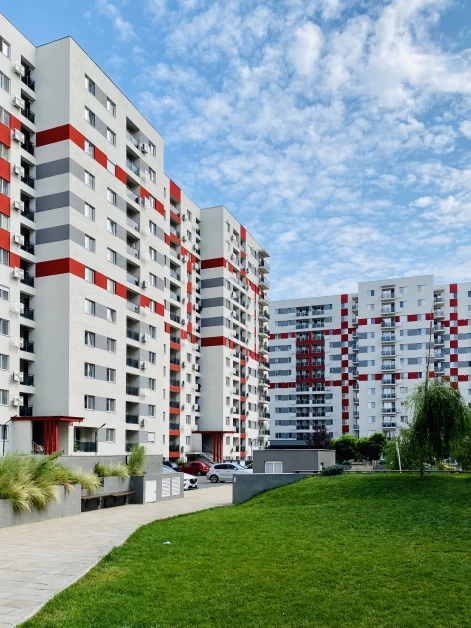
Australia Property Market
Table of Contents
The Australia property market has been experiencing fluctuations in recent months, with mixed signals regarding inflation and interest rates. In this article, we will explore the latest data and insights from experts to understand the current state of the market.
Key Takeaways
Here are the key takeaways from the latest data:
-
The monthly Consumer Price Index (CPI) indicator rose 3.6% in the year to April 2024, up from 3.5% in March. The main contributors to this increase were Housing, Food and non-alcoholic beverages, Alcohol and tobacco, and Transport.
-
Retail sales rose 0.1% in April 2024, but the trend has been flat since December. However, experts point out that retail sales are significantly above the levels seen during the pandemic years.
-
The total number of dwellings approved fell in April, after rising in March. This decline indicates a slowdown in construction activity, especially for apartment dwellings.
-
The June weekend auction market began with higher listings but lower clearance rates compared to the same time last year. Adelaide had the strongest auction clearance rate, while the national auction number was 2077.
Is the Reserve Bank winning the fight against inflation?
The Reserve Bank of Australia (RBA) has been trying to manage inflation to keep it within the target range of 2-3%. However, recent data suggests that inflation is still above the target range. The monthly CPI indicator rose 3.6% in the year to April 2024, indicating a slight increase compared to the previous month.
While there are doubts about the effectiveness of RBA’s measures, experts believe that the central bank is not likely to lower interest rates anytime soon. However, there is also no immediate concern for the RBA to consider raising interest rates.
CPI rose 3.6% in the year to April 2024
The Consumer Price Index (CPI) rose 3.6% in the 12 months to April 2024, up from 3.5% in March. Housing, Food and non-alcoholic beverages, Alcohol and tobacco, and Transport were the main contributors to this increase.
Transport prices rose 4.2%, primarily driven by higher fuel prices compared to the previous year. Automotive fuel prices increased by 7.4% in the same period. While these volatile items impact CPI inflation, excluding them shows a steady annual rise of 4.1% to April.
Inflation tracks oil price
Inflation in Australia is closely linked to oil prices. Fortunately, oil prices have been easing recently, which may have a positive impact on inflation. Dr. Andrew Wilson explains how inflation tracks oil prices in a Property Insider video.
April retail sales higher
Australian retail turnover saw a slight increase of 0.1% in April 2024, following a 0.4% fall in March. However, the trend in retail sales has been flat since December. Experts attribute this to cautious consumers reducing their discretionary spending.
Despite the flat trend, retail sales are significantly above the levels seen during the pandemic years. Dr. Andrew Wilson highlights this in a Property Insider chat, noting that the government’s incentives and strong migration have contributed to higher retail sales.
Dwelling approvals fall in April
The total number of dwellings approved fell by 0.3% in April, following a 2.7% rise in March. This decline indicates a slowdown in construction activity. Tasmania, New South Wales, and Western Australia saw decreases in dwelling approvals, while South Australia and Queensland recorded increases. Victoria remained flat in April.
The level of dwelling approvals has been declining since its peak in 2016. While houses are being approved and constructed, apartment dwellings are not financially viable at the moment. Experts predict that the price of established properties will need to rise before apartment construction becomes viable again.
June auction market begins with higher listings and lower clearance rates
The June weekend auction market started with higher listings but lower clearance rates compared to the same time last year. Adelaide had the strongest auction clearance rate at 77.8%, while Melbourne, Sydney, Brisbane, and Canberra had lower clearance rates.
The national weekend auction market reported a clearance rate of 64.1%, lower than the previous weekend’s rate. However, auction numbers continue to be higher than the previous year, indicating ongoing demand in the market.
Conclusion
The Australia property market is experiencing mixed signals, with fluctuations in inflation, retail sales, dwelling approvals, and auction clearance rates. While inflation remains above the target range, experts believe that there is no immediate need for the Reserve Bank to raise interest rates.
It is essential for investors to stay informed and seek expert advice to navigate this phase of the property cycle. Metropole, a trusted property advisor, offers a range of services to help investors make informed decisions and create wealth through property. Whether you’re a beginner or an experienced investor, Metropole can provide strategic advice tailored to your needs.
Investing in the Australia property market requires careful consideration and guidance, and Metropole can be your trusted partner in this journey.
This content is for informational purposes only and should not be construed as financial or investment advice. Please consult with a qualified professional for any financial or investment decisions.