Australian Property Market Price Gap Between Apartments and Houses Widens by 45%
Table of Contents
The price gap between apartments and standalone houses in the Australian property market has increased by 45% since March 2020 and January 2024, according to data from CoreLogic. This widening gap is attributed to rising land values, a scarcity of houses available for purchase, and a growing desire for more space. As a result, prices for houses have remained significantly higher compared to units.
Factors Driving the Price Gap
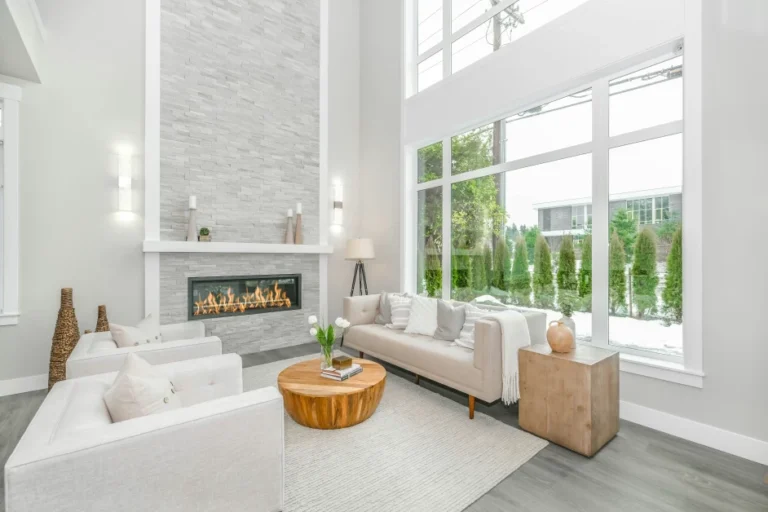
The increase in underlying land values is a key factor contributing to the higher prices of standalone houses. The limited availability of freestanding homes for sale further exacerbates this scarcity, driving up their prices. Additionally, the desire for more space, especially during the pandemic, has led buyers to prioritize houses over apartments.
Impact on House and Unit Prices
Between March 2020 and January 2024, house prices in capital cities rose by 33.9% ($239,000), while unit values only increased by 11.2% ($65,235). In the past year alone, house values have risen by 11% ($93,552), compared to a 6.9% ($41,789) increase in unit values.
Sydney Experiences the Largest Price Difference
The widening gap between house and unit prices is evident across all capital cities in Australia, with Sydney experiencing the most significant difference. Before the pandemic, there was a 33% premium for houses in Sydney, which has since risen to 68%. This trend suggests that buyers in Sydney are willing to pay a premium for houses due to the scarcity of land and the desire for more space.
Increased Demand for Apartments
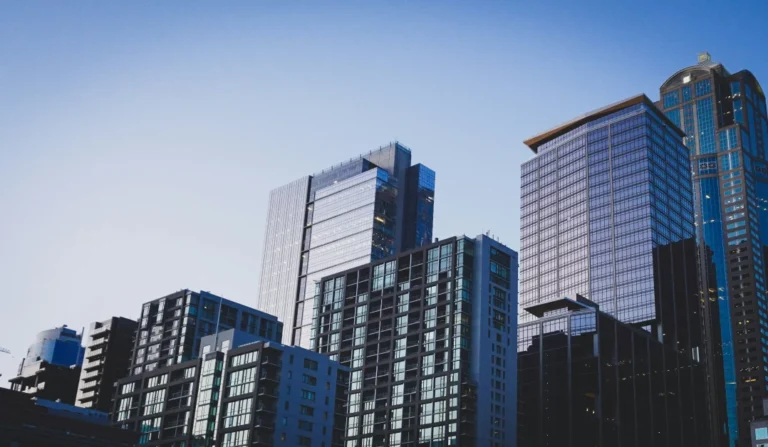
Experts predict that apartments will be in higher demand out of necessity, as houses become increasingly unaffordable. However, this increased demand could lead to higher prices for apartments unless more are built. The lower price points of medium to high-density units make them an attractive option for buyers willing to sacrifice space for proximity to essential amenities.
Future Outlook
While there is some risk of house prices coming down in the medium to long term, it is unlikely to happen unless there is a significant increase in housing supply. The Australian government’s target of delivering 1.2 million well-located homes in the next five years seems challenging to achieve, as current approval rates fall short of the required numbers.
The End of the Great Australian Dream?
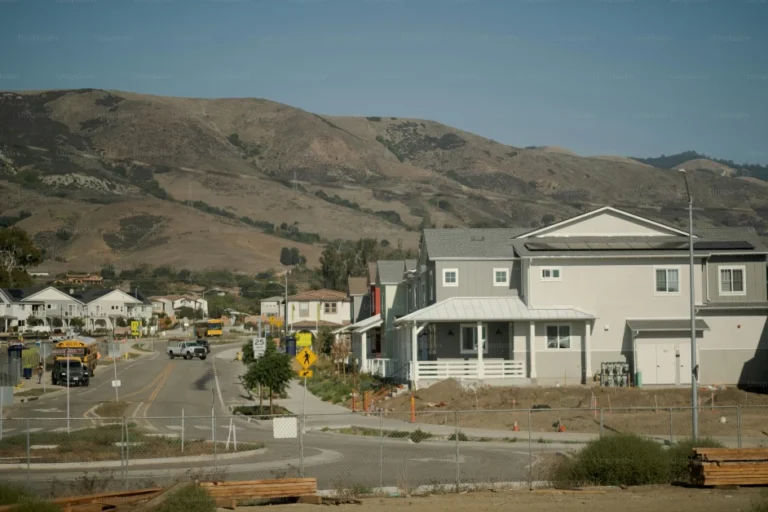
The rising prices of houses compared to units reflect the underlying scarcity of land in major cities and Australians’ continued preference for owning a house with a yard. This “great Australian dream” has persisted despite the changing dynamics of the property market. However, due to affordability challenges, more buyers may be forced to consider higher density options, such as townhomes and high-rise units, in the future.
In conclusion, the price gap between apartments and houses in the Australian property market has widened significantly in recent years. Rising land values, a scarcity of houses, and a desire for more space are the main drivers of this trend. While apartments may become more in demand, they could also become more expensive unless there is an increase in construction. The great Australian dream of owning a standalone house with a backyard may need to adapt to the changing realities of the property market.