Interior design tips for selling your property
When creating a neutral colour palette for one’s home, it is essential to select colours that are versatile and enduring. Neutral hues such as white, beige, grey, and taupe can instil a sense of serenity and tranquillity in a space, rendering it more welcoming and spacious. These colours provide a blank canvas for the addition of colour accents through accessories, allowing for easy modification of a room’s appearance without the need for repainting walls.
In addition to walls, it is advisable to utilise neutral colours for larger furniture pieces such as sofas and dining tables. This approach helps create a cohesive and harmonious aesthetic throughout the space. When selecting a neutral colour palette, it is crucial to consider the undertones of the chosen colours.
For instance, some whites may have warm undertones, whilst others may have cool undertones. Attention to these undertones ensures that all elements in the room work together seamlessly. Natural light plays a significant role in the appearance of neutral colours.
Some hues may appear differently depending on the amount of natural light in a room. Therefore, it is advisable to test various shades before making a final decision. This approach helps ensure that the chosen colours will create the desired atmosphere in the space.
Overall, implementing a neutral colour palette is an effective method to make a home feel more open, airy, and timeless. It provides a versatile foundation for personalisation and allows for easy updates to the decor over time.
Summary
- Use neutral colours like whites, greys, and beiges to create a calming and versatile colour palette for your home.
- Maximise natural light by keeping windows clear, using sheer curtains, and strategically placing mirrors to reflect light.
- Declutter and depersonalise your space by removing personal items and excess furniture to create a clean and inviting atmosphere.
- Arrange furniture to create a sense of space and flow, ensuring that there is enough room to move around and that the layout is functional.
- Add strategic accents and accessories such as rugs, cushions, and artwork to bring personality and style to your space.
- Update fixtures and finishes such as light fittings, door handles, and taps to give your home a modern and cohesive look.
- Enhance curb appeal by maintaining the exterior of your home, adding potted plants, and ensuring that the entrance is welcoming and well-maintained.
Maximising Natural Light
Allowing Sunlight to Filter Through
To maximise natural light in your home, consider using sheer or lightweight window treatments that allow sunlight to filter through while still providing privacy.
Reflecting and Amplifying Natural Light
Additionally, strategically placing mirrors opposite windows can help reflect and amplify natural light throughout the room. Another way to maximise natural light is by keeping windows clean and unobstructed. Regularly cleaning windows inside and out will ensure that as much sunlight as possible can enter your home.
Preventing Obstructions and Enhancing Reflection
Additionally, trimming back any overgrown foliage outside your windows can help prevent natural light from being blocked. Lastly, consider using light-coloured or reflective surfaces such as white walls, light-coloured flooring, and glossy finishes to bounce natural light around the room. By maximising natural light in your home, you can create a bright and uplifting environment that will benefit both your physical and mental well-being.
Decluttering and Depersonalising
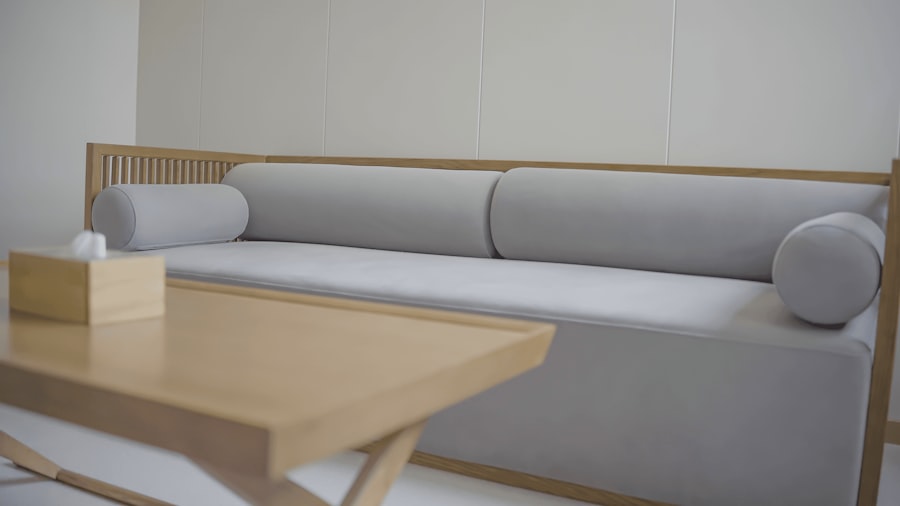
Decluttering and depersonalising your home is essential when preparing it for sale or simply creating a more serene living space. Clutter can make a room feel cramped and chaotic, while personal items such as family photos and memorabilia can make it difficult for potential buyers to envision themselves living in the space. Start by going through each room in your home and getting rid of any items that you no longer need or use.
This could include old furniture, clothing, or knick-knacks that are taking up unnecessary space. Once you’ve decluttered, it’s important to depersonalise the space by removing personal items such as family photos, religious items, and overly specific decor. This will help potential buyers or guests envision themselves living in the space without feeling like they’re intruding on someone else’s personal life.
By decluttering and depersonalising your home, you can create a more open and inviting atmosphere that will appeal to a wider range of people. Decluttering and depersonalising your home is essential when preparing it for sale or simply creating a more serene living space. Clutter can make a room feel cramped and chaotic, while personal items such as family photos and memorabilia can make it difficult for potential buyers to envision themselves living in the space.
Start by going through each room in your home and getting rid of any items that you no longer need or use. This could include old furniture, clothing, or knick-knacks that are taking up unnecessary space. Once you’ve decluttered, it’s important to depersonalise the space by removing personal items such as family photos, religious items, and overly specific decor.
This will help potential buyers or guests envision themselves living in the space without feeling like they’re intruding on someone else’s personal life. By decluttering and depersonalising your home, you can create a more open and inviting atmosphere that will appeal to a wider range of people.
Arranging Furniture for Space and Flow
Arranging furniture for space and flow is essential for creating a functional and harmonious living space. Start by considering the purpose of each room and how you want it to function. For example, in a living room, you may want to create conversation areas by arranging seating around a focal point such as a fireplace or TV.
In a bedroom, you’ll want to ensure that there’s enough space around the bed for easy movement. When arranging furniture, it’s important to consider traffic flow and ensure that there are clear pathways throughout the room. This will not only make the space feel more open and inviting but also improve its functionality.
Additionally, consider the scale of your furniture in relation to the size of the room. Oversized furniture can make a room feel cramped, while too small furniture can make it feel sparse. By arranging furniture for space and flow, you can create a more functional and harmonious living space that will be enjoyable for both you and your guests.
Arranging furniture for space and flow is essential for creating a functional and harmonious living space. Start by considering the purpose of each room and how you want it to function. For example, in a living room, you may want to create conversation areas by arranging seating around a focal point such as a fireplace or TV.
In a bedroom, you’ll want to ensure that there’s enough space around the bed for easy movement. When arranging furniture, it’s important to consider traffic flow and ensure that there are clear pathways throughout the room. This will not only make the space feel more open and inviting but also improve its functionality.
Additionally, consider the scale of your furniture in relation to the size of the room. Oversized furniture can make a room feel cramped, while too small furniture can make it feel sparse. By arranging furniture for space and flow, you can create a more functional and harmonious living space that will be enjoyable for both you and your guests.
Adding Strategic Accents and Accessories
Adding strategic accents and accessories is an effective way to inject personality and style into your home while maintaining a neutral base. Start by choosing a cohesive colour scheme for your accents that complements your neutral palette. This could include adding pops of colour through throw pillows, rugs, artwork, or decorative objects.
When adding accents and accessories, it’s important to consider balance and proportion. Too many accessories can make a space feel cluttered, while too few can make it feel bare. Additionally, consider layering different textures such as wood, metal, glass, and textiles to add depth and visual interest to the room.
By adding strategic accents and accessories, you can create a stylish and inviting living space that reflects your personal taste while still maintaining a neutral backdrop. Adding strategic accents and accessories is an effective way to inject personality and style into your home while maintaining a neutral base. Start by choosing a cohesive colour scheme for your accents that complements your neutral palette.
This could include adding pops of colour through throw pillows, rugs, artwork, or decorative objects. When adding accents and accessories, it’s important to consider balance and proportion. Too many accessories can make a space feel cluttered, while too few can make it feel bare.
Additionally, consider layering different textures such as wood, metal, glass, and textiles to add depth and visual interest to the room. By adding strategic accents and accessories, you can create a stylish and inviting living space that reflects your personal taste while still maintaining a neutral backdrop.
Updating Fixtures and Finishes
Lighting the Way
Start by replacing outdated light fittings with more contemporary designs that complement your overall aesthetic. This could include pendant lights in the kitchen or statement chandeliers in the dining room.
Hardware Revamp
Additionally, consider updating hardware such as door knobs, handles, taps, and cabinet pulls with modern finishes such as brushed nickel or matte black. These small changes can have a big impact on the overall look of your home without breaking the bank.
Finishing Touches
Lastly, consider updating finishes such as paint, flooring, or tiles to create a cohesive look throughout your home. By updating fixtures and finishes, you can give your home a fresh new look that feels modern and stylish.
Enhancing Curb Appeal
Enhancing curb appeal is essential for creating a welcoming first impression of your home. Start by maintaining your landscaping by keeping lawns mowed, hedges trimmed, and flower beds weeded. Adding colourful flowers or plants in pots or flower beds can also add visual interest to your outdoor space.
Additionally, consider updating your front door with a fresh coat of paint in a bold colour or adding new hardware such as a stylish door knocker or house numbers. This will instantly elevate the look of your home’s exterior without requiring major renovations. Lastly, consider adding outdoor lighting such as path lights or sconces to illuminate walkways and highlight architectural features of your home at night.
By enhancing curb appeal, you can create an inviting exterior that sets the tone for what visitors can expect inside. Enhancing curb appeal is essential for creating a welcoming first impression of your home. Start by maintaining your landscaping by keeping lawns mowed, hedges trimmed, and flower beds weeded.
Adding colourful flowers or plants in pots or flower beds can also add visual interest to your outdoor space. Additionally, consider updating your front door with a fresh coat of paint in a bold colour or adding new hardware such as a stylish door knocker or house numbers. This will instantly elevate the look of your home’s exterior without requiring major renovations.
Lastly, consider adding outdoor lighting such as path lights or sconces to illuminate walkways and highlight architectural features of your home at night. By enhancing curb appeal, you can create an inviting exterior that sets the tone for what visitors can expect inside. In conclusion…
Creating an inviting living space involves careful consideration of various elements such as colour palette selection, maximising natural light, decluttering and depersonalising spaces, arranging furniture for optimal flow, adding strategic accents and accessories, updating fixtures and finishes as well as enhancing curb appeal. By following these guidelines when preparing or revamping your living spaces at home – whether it be for personal enjoyment or with an eye towards selling – you’ll be able to create an environment that is not only aesthetically pleasing but also functional and welcoming for all who enter its doors.
FAQs
What is interior design?
Interior design is the art and science of enhancing the interior of a building to achieve a healthier and more aesthetically pleasing environment for the people using the space. It involves planning, researching, coordinating, and managing various elements to create a functional and beautiful space.
Why is interior design important when selling a property?
Interior design is important when selling a property because it can significantly impact the perceived value of the property and influence potential buyers’ decision-making process. A well-designed interior can make a property more attractive, inviting, and memorable, ultimately increasing its marketability and potential for a higher sale price.
What are some interior design tips for selling a property?
Some interior design tips for selling a property include decluttering and depersonalizing the space, enhancing natural light, using neutral and inviting colours, arranging furniture to create a sense of space, and adding strategic decorative elements to highlight the property’s best features.
How can interior design help create a positive first impression for potential buyers?
Interior design can help create a positive first impression for potential buyers by presenting the property in its best light. A well-designed interior can make the property feel welcoming, spacious, and well-maintained, which can leave a lasting impression on potential buyers and make them more likely to consider the property as a desirable investment.
What are some common mistakes to avoid in interior design when selling a property?
Some common mistakes to avoid in interior design when selling a property include over-personalizing the space, neglecting necessary repairs and maintenance, using overly bold or taste-specific design choices, and overcrowding the space with too much furniture or decor. These mistakes can detract from the property’s appeal and make it less attractive to potential buyers.