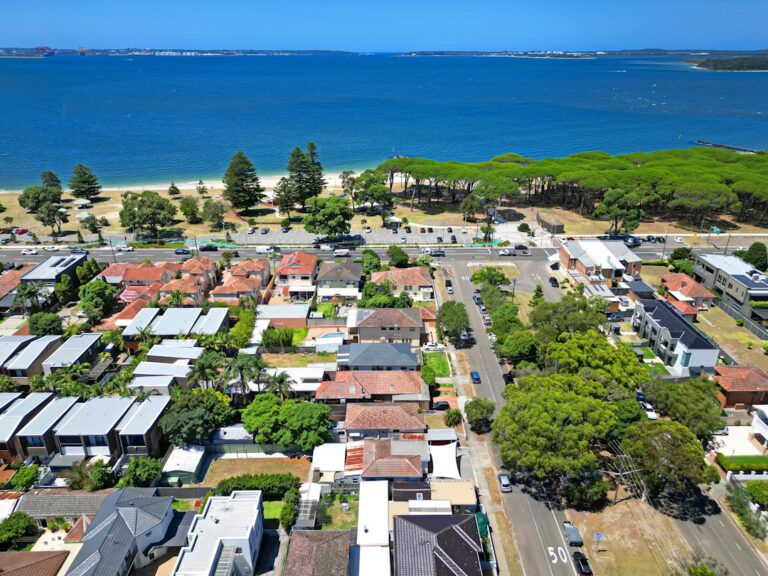
Queensland Property Price Forecast: What to Expect
As we delve into the Queensland property market, we find ourselves in a dynamic landscape characterized by diverse opportunities and challenges. Queensland, known for its stunning beaches, vibrant cities, and lush hinterlands, has long been a desirable destination for both residents and investors. The state’s real estate sector has shown resilience and adaptability, making it a focal point for those looking to buy or invest in property.
With its unique blend of lifestyle appeal and economic potential, Queensland continues to attract attention from various demographics, including first-time homebuyers, seasoned investors, and those seeking a change in lifestyle. In recent years, we have witnessed significant shifts in the property market, influenced by a myriad of factors ranging from economic conditions to demographic trends. As we explore the current state of the market, it becomes evident that understanding these dynamics is crucial for anyone looking to navigate the complexities of buying or investing in Queensland real estate.
By examining current trends, influences on pricing, and future forecasts, we can better equip ourselves to make informed decisions in this ever-evolving market.
Key Takeaways
- Queensland property market is experiencing significant growth and demand due to various factors such as population growth, infrastructure development, and lifestyle appeal.
- Current trends in Queensland property prices show a steady increase in both house and unit prices, with certain regions experiencing higher growth rates than others.
- Factors influencing Queensland property prices include population growth, employment opportunities, infrastructure development, and lifestyle appeal.
- The forecast for Queensland property prices is positive, with continued growth expected due to strong demand and limited supply in certain areas.
- The impact of COVID-19 on the Queensland property market has been relatively minimal, with the market showing resilience and continued growth, especially in regional areas.
Current Trends in Queensland Property Prices
Urban Centers in High Demand
The demand for residential properties has intensified, particularly in urban centers like Brisbane and the Gold Coast, where lifestyle amenities and job opportunities are plentiful. This increased interest has led to competitive bidding situations, often resulting in properties selling above their asking prices.
Shift in Buyer Preferences
We are observing a shift in buyer preferences, with many individuals and families seeking larger homes with outdoor spaces as remote work becomes more commonplace. This trend has further fueled demand in suburban areas and regional towns, where buyers are looking for properties that offer both comfort and a sense of community.
A Diverse Market with Opportunities
As we navigate through these trends, it is essential to recognize that while prices are on the rise, the market remains diverse, with opportunities available across various segments.
Factors Influencing Queensland Property Prices

Several key factors are influencing property prices in Queensland, each contributing to the overall market dynamics. One of the most significant drivers is population growth. As more people relocate to Queensland for its favorable climate and lifestyle offerings, the demand for housing continues to increase.
This influx of residents not only boosts the need for residential properties but also stimulates local economies, creating jobs and enhancing infrastructure. Additionally, interest rates play a crucial role in shaping the property market landscape. With historically low rates encouraging borrowing, many buyers are entering the market, further driving up demand.
However, as we look ahead, potential changes in monetary policy could impact buyer sentiment and affordability. Furthermore, government initiatives aimed at stimulating the housing market, such as grants for first-time buyers and infrastructure investments, also play a pivotal role in influencing property prices. By understanding these factors, we can better anticipate shifts in the market and make strategic decisions.
Forecast for Queensland Property Prices
| Year | Median Price | Number of Sales |
|---|---|---|
| 2020 | 500,000 | 10,000 |
| 2021 | 520,000 | 11,000 |
| 2022 | 540,000 | 12,000 |
Looking ahead, we find ourselves contemplating the future trajectory of Queensland property prices. While current trends suggest continued growth, various economic indicators will shape this outlook. Analysts predict that while prices may stabilize after a period of rapid increases, the long-term fundamentals remain strong.
Factors such as ongoing population growth, urban development projects, and sustained demand for housing are expected to support property values over time. However, it is essential to approach these forecasts with caution. Economic uncertainties, including potential interest rate hikes and global market fluctuations, could introduce volatility into the property market.
As we consider these variables, it becomes clear that while optimism prevails regarding future price growth, staying informed and adaptable will be key to navigating any potential challenges that may arise.
Impact of COVID-19 on Queensland Property Market
The COVID-19 pandemic has undeniably left its mark on the Queensland property market, reshaping buyer behavior and influencing market dynamics in unprecedented ways. Initially, we witnessed a slowdown in activity as lockdowns were implemented and uncertainty loomed. However, as restrictions eased and remote work became more prevalent, we observed a remarkable rebound in demand for properties that offered space and lifestyle benefits.
The pandemic has also accelerated trends that were already emerging prior to COVID-19. For instance, the desire for larger homes with outdoor areas has become more pronounced as people seek refuge from urban congestion. Additionally, regional areas have gained popularity as buyers look for affordable options outside major cities.
This shift has not only impacted property prices but has also led to increased competition in previously overlooked markets.
Opportunities for Buyers and Investors in Queensland

Here is the rewritten text with 3-4 **Queensland’s Property Market: Opportunities for Buyers and Investors**
**First-Time Homebuyers and Government Incentives**
Despite the challenges posed by rising prices and competitive bidding wars, there remain ample opportunities for buyers and investors in Queensland’s property market. For first-time homebuyers, government incentives such as grants and stamp duty concessions can provide valuable support in entering the market. Additionally, exploring emerging suburb or regional areas can yield attractive options at more affordable price points.
**Diversification and Growth Opportunities for Seasoned Investors**
For seasoned investors, diversification within the Queensland market presents an opportunity to capitalize on growth trends. Investing in properties that cater to changing demographics—such as family-friendly homes or rental properties targeting professionals—can yield strong returns over time. Furthermore, with ongoing infrastructure developments enhancing connectivity and amenities in various regions, identifying areas poised for growth can be a strategic move for those looking to expand their portfolios.
**Strategic Investing and Portfolio Expansion**
Overall, Queensland’s property market offers a range of opportunities for buyers and investors. By exploring emerging areas, diversifying investments, and identifying growth trends, individuals can make strategic moves to expand their portfolios and achieve their goals.
Regional Variations in Queensland Property Prices
As we examine the Queensland property market more closely, it becomes apparent that regional variations play a significant role in shaping overall trends. While major cities like Brisbane and the Gold Coast often dominate headlines with their soaring prices, many regional areas offer unique opportunities that should not be overlooked. Towns such as Toowoomba and Cairns have seen increased interest from buyers seeking affordability combined with lifestyle benefits.
These regional markets often present lower entry points compared to metropolitan areas while still offering potential for capital growth. Additionally, as remote work becomes more accepted by employers, individuals are increasingly willing to relocate to regional areas where they can enjoy a higher quality of life without sacrificing access to essential services. By recognizing these regional variations and understanding their unique characteristics, we can make informed decisions about where to invest or buy our next home.
Expert Recommendations for Navigating the Queensland Property Market
To successfully navigate the complexities of the Queensland property market, we must arm ourselves with knowledge and insights from industry experts. One key recommendation is to conduct thorough research on local markets before making any decisions. Understanding recent sales data, demographic trends, and future development plans can provide valuable context when evaluating potential properties.
These professionals can offer insights into emerging neighborhoods or provide guidance on pricing strategies during negotiations. Furthermore, staying informed about economic indicators and government policies will enable us to anticipate shifts in the market landscape.
In conclusion, as we explore the multifaceted nature of the Queensland property market, it becomes clear that while challenges exist, so too do opportunities for those willing to adapt and stay informed. By understanding current trends, influences on pricing, and regional variations, we can position ourselves strategically within this vibrant market. Whether we are first-time buyers or seasoned investors, embracing a proactive approach will empower us to make sound decisions that align with our aspirations in this ever-evolving landscape.
FAQs
What factors are considered when forecasting property prices in Queensland?
Factors considered when forecasting property prices in Queensland include economic indicators such as employment rates, population growth, interest rates, and housing supply and demand. Other factors may include government policies, infrastructure developments, and market trends.
How accurate are property price forecasts in Queensland?
Property price forecasts in Queensland are based on extensive research and analysis of various economic and market factors. While they can provide valuable insights, it’s important to note that forecasts are not guaranteed and can be influenced by unforeseen events or changes in the market.
What are the current trends in property prices in Queensland?
Current trends in property prices in Queensland may vary depending on the specific location and type of property. Generally, Queensland has experienced steady growth in property prices in recent years, with certain areas seeing higher demand and price increases compared to others.
What impact does government policy have on property prices in Queensland?
Government policies can have a significant impact on property prices in Queensland. For example, changes in taxation, zoning regulations, and incentives for first-time homebuyers can influence demand and supply, ultimately affecting property prices.
How can individuals use property price forecasts in Queensland to make informed decisions?
Individuals can use property price forecasts in Queensland to make informed decisions about buying, selling, or investing in real estate. By staying informed about market trends and forecasts, individuals can better understand the potential risks and opportunities in the property market.