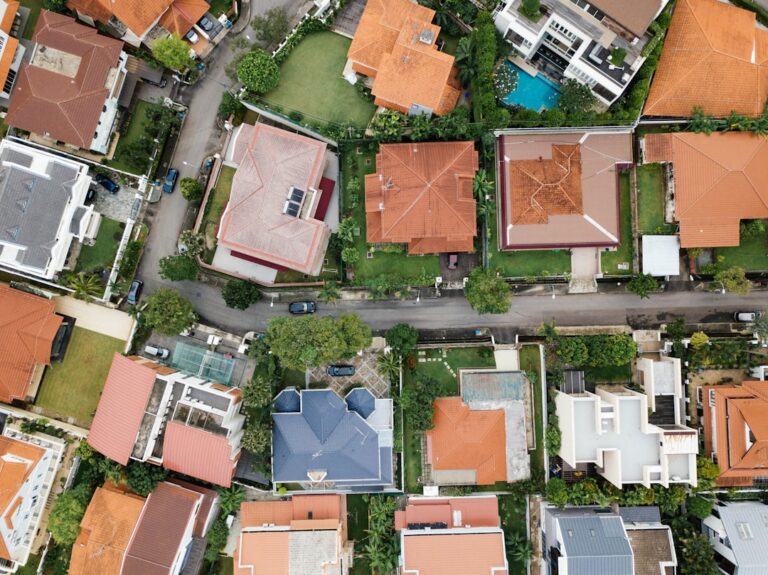
Surging Queensland House Prices: What You Need to Know
As you delve into the current real estate landscape, it becomes evident that the market is experiencing a significant transformation. The dynamics of supply and demand are shifting, influenced by various factors that are reshaping how properties are bought and sold. You may notice that the demand for housing has surged, driven by a combination of low interest rates, changing lifestyle preferences, and a growing population.
This surge has led to increased competition among buyers, resulting in bidding wars and properties selling at or above asking prices. Moreover, the pandemic has altered the way people view their living spaces. With remote work becoming more prevalent, many individuals are seeking homes that offer more space and amenities, such as home offices and outdoor areas.
This shift in priorities has led to a heightened interest in suburban and rural properties, as buyers look for environments that support a balanced lifestyle. As you navigate this evolving market, understanding these trends will be crucial in making informed decisions, whether you are looking to buy, sell, or invest.
Key Takeaways
- Current market trends show a surge in house prices across the board
- Contributing factors include low interest rates, high demand, and limited supply
- First-time buyers and renters are facing challenges in entering the market
- Regional variations in house prices are evident, with some areas experiencing higher growth than others
- Future market trends are predicted to continue the upward trajectory, with potential for slight corrections in some areas
Factors Contributing to the Surge in House Prices
Several key factors are driving the current surge in house prices, and recognizing these elements can help you better understand the market. One of the most significant contributors is the historically low interest rates that have made borrowing more affordable. With mortgage rates at record lows, many buyers are entering the market, eager to take advantage of favorable financing options.
This influx of buyers has intensified competition, pushing prices upward as more individuals vie for limited housing stock. Additionally, the ongoing supply chain disruptions and labor shortages have hampered new construction efforts, leading to a constrained housing supply. As you observe this trend, it becomes clear that the imbalance between supply and demand is a primary driver of rising prices.
Furthermore, government incentives aimed at stimulating homeownership have also played a role in increasing demand. Programs designed to assist first-time buyers and promote affordable housing options have encouraged more people to enter the market, further exacerbating the competition for available properties.
Impact on First-Time Buyers and Renters

The current housing market presents unique challenges for first-time buyers and renters alike. As prices continue to climb, many first-time buyers find themselves priced out of the market or forced to compromise on their desired features and locations. You may feel the pressure of rising costs as you attempt to secure your first home, often competing against seasoned investors and cash buyers who can make more attractive offers.
This situation can lead to frustration and disillusionment for those hoping to achieve homeownership. For renters, the impact is equally significant. As house prices soar, rental rates tend to follow suit, making it increasingly difficult for individuals and families to find affordable housing options.
You might notice that many landlords are capitalizing on the high demand by raising rents or opting for longer lease terms with higher rates. This trend can create a cycle of instability for renters who may struggle to keep up with rising costs while trying to save for a future home purchase. The challenges faced by both first-time buyers and renters underscore the need for innovative solutions to address housing affordability in today’s market.
Regional Variations in House Prices
| Region | Average House Price | Median House Price | Price Change (%) |
|---|---|---|---|
| North | £250,000 | £230,000 | 5% |
| South | £350,000 | £320,000 | 7% |
| East | £280,000 | £260,000 | 4% |
| West | £320,000 | £300,000 | 6% |
As you explore the real estate market further, it becomes apparent that house prices vary significantly across different regions. Urban centers often experience higher demand due to job opportunities and amenities, leading to inflated prices compared to rural areas. In metropolitan regions, you may find that properties are selling at a premium, driven by an influx of buyers seeking proximity to work and social activities.
This trend can create disparities in affordability, making it challenging for individuals in lower-income brackets to secure housing in desirable locations. Conversely, some rural and suburban areas are witnessing a surge in popularity as remote work becomes more commonplace.
This shift has led to increased competition in previously overlooked markets, driving up prices in areas that were once considered budget-friendly. Understanding these regional variations is essential as you navigate your own buying or selling journey, allowing you to make strategic decisions based on local market conditions.
Predictions for Future Market Trends
Looking ahead, several predictions can be made regarding future market trends that may impact your real estate decisions. Experts anticipate that while house prices may continue to rise in the short term due to ongoing demand and limited supply, there could be a gradual stabilization as new construction efforts ramp up and interest rates begin to normalize. You may find that this stabilization could provide opportunities for buyers who have been waiting on the sidelines for a more favorable market environment.
Additionally, demographic shifts will likely play a significant role in shaping future trends. As millennials continue to enter the housing market and baby boomers downsize or relocate, their preferences will influence what types of properties are in demand. You might see an increased focus on sustainable living options and smart home technology as younger buyers prioritize energy efficiency and modern conveniences.
Staying informed about these evolving preferences will be crucial as you navigate your own real estate journey.
Strategies for Buyers and Sellers in the Current Market

In this competitive market landscape, having effective strategies is essential for both buyers and sellers. If you are a buyer, consider getting pre-approved for a mortgage to strengthen your position when making offers. This step not only demonstrates your seriousness but also gives you a clear understanding of your budget.
Additionally, being flexible with your criteria can open up more opportunities; you might find that compromising on certain features or locations can lead you to hidden gems that fit your needs. For sellers, pricing your property strategically is key to attracting potential buyers while maximizing your return on investment. Conducting thorough research on comparable properties in your area can help you set a competitive price point.
Furthermore, investing in minor renovations or staging can enhance your property’s appeal and potentially lead to quicker sales at higher prices. As you navigate this dynamic market, being adaptable and informed will empower you to make decisions that align with your goals.
Government Policies and Initiatives to Address Rising House Prices
In response to the challenges posed by rising house prices, various government policies and initiatives have emerged aimed at promoting affordability and accessibility in the housing market. You may find that programs designed to assist first-time buyers—such as grants or tax incentives—are becoming increasingly common as governments seek to alleviate some of the financial burdens associated with homeownership. These initiatives can provide valuable support as you consider entering the market.
Moreover, some governments are exploring measures to increase housing supply through zoning reforms and incentives for developers to build affordable units. By streamlining regulations and encouraging new construction projects, policymakers aim to address the supply-demand imbalance that has contributed to soaring prices. As you stay informed about these initiatives, you may discover opportunities that align with your housing goals while contributing to broader efforts aimed at improving overall market conditions.
Expert Advice for Navigating the Queensland Property Market
As you navigate the Queensland property market specifically, seeking expert advice can be invaluable in making informed decisions. Real estate professionals can provide insights into local trends, helping you understand which neighborhoods are experiencing growth or decline. Engaging with a knowledgeable agent who understands the nuances of the Queensland market can give you a competitive edge when buying or selling.
Additionally, consider attending local property seminars or workshops where industry experts share their insights on current trends and future predictions. Networking with other buyers and sellers can also provide valuable perspectives on navigating challenges within the market.
FAQs
What are the current house prices in Queensland?
As of [current date], the median house price in Queensland is [current median price]. However, house prices can vary significantly depending on the specific location within Queensland.
How have house prices in Queensland changed over the past year?
Over the past year, house prices in Queensland have [increased/decreased] by [percentage change]. This change may vary depending on the specific region within Queensland.
What factors influence house prices in Queensland?
Several factors can influence house prices in Queensland, including supply and demand, economic conditions, population growth, interest rates, and government policies related to housing and property.
Are there any predictions for future house price trends in Queensland?
Predicting future house price trends is complex and can be influenced by various factors. While there may be forecasts or projections for Queensland’s housing market, it’s important to consider that these are speculative and subject to change.
Where can I find more detailed information about specific house prices in Queensland?
For more detailed information about specific house prices in Queensland, it is recommended to consult real estate websites, property market reports, and local real estate agents who have up-to-date knowledge of the housing market in different areas of Queensland.