Is Queensland’s Market Cooling Down? 2025 Mid-Year Analysis
Queensland’s real estate market has long been a focal point for both domestic and international investors. With its stunning landscapes, vibrant cities, and a lifestyle that many dream of, it’s no wonder that property in this region has become increasingly sought after.
Understanding these elements is crucial for anyone looking to invest or simply keep abreast of the trends in Queensland’s property landscape. The allure of Queensland extends beyond its natural beauty; it also boasts a robust economy and a growing population. As you explore the real estate opportunities here, you will find that the market is not just about buying and selling properties; it’s about understanding the underlying forces that drive demand and supply.
Whether you are a first-time homebuyer, an experienced investor, or someone interested in rental properties, gaining insight into Queensland’s real estate market will equip you with the knowledge needed to make informed decisions.
Key Takeaways
- Queensland’s real estate market is experiencing significant growth and demand, making it an attractive investment opportunity.
- Property prices in Queensland have been steadily increasing, especially in popular areas such as Brisbane and the Gold Coast.
- Government policies, such as incentives for first-time homebuyers and infrastructure development, have positively impacted the real estate market in Queensland.
- Changes in demand and supply have led to a shortage of available properties, driving up prices and creating a competitive market for buyers.
- The rental market in Queensland has seen a shift, with an increase in demand for rental properties and rising rental prices due to population growth and limited supply.
- Economic factors, such as low interest rates and population growth, have contributed to the growth and stability of Queensland’s real estate market.
- Projections for the remainder of 2025 indicate continued growth in property prices and demand, with a focus on sustainable development and affordable housing solutions.
- Experts recommend that investors and homebuyers closely monitor market trends, consider long-term growth potential, and seek professional advice to make informed decisions in Queensland’s real estate market.
Trends in Property Prices
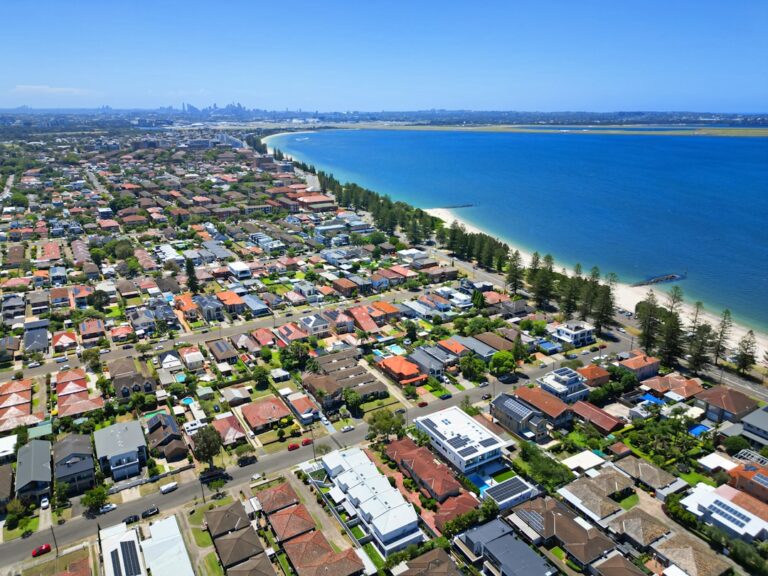
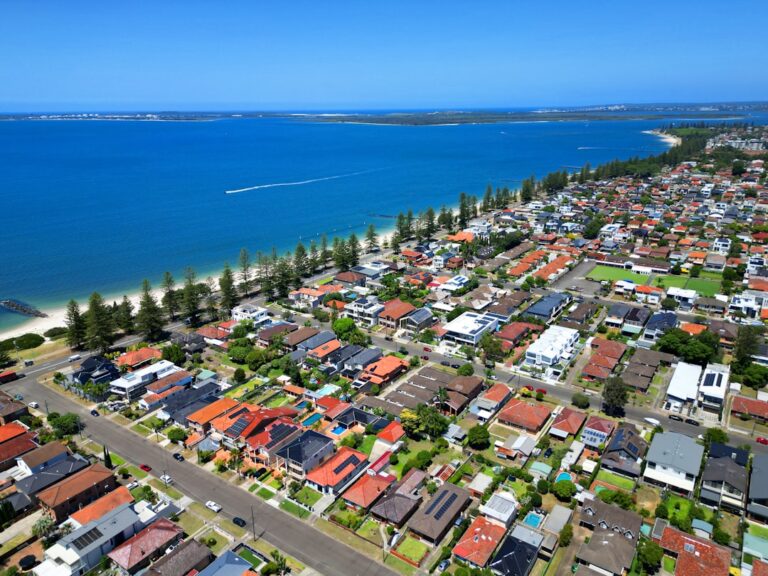
In recent years, property prices in Queensland have experienced significant fluctuations, reflecting broader economic trends and local market dynamics. As you analyze these trends, you will notice that certain areas have seen remarkable growth, while others have remained relatively stable. The coastal regions, particularly those near Brisbane and the Gold Coast, have attracted considerable attention, leading to price surges that can be attributed to both lifestyle choices and investment potential.
This trend is particularly evident in suburbs that offer proximity to amenities, schools, and public transport. Moreover, as you look deeper into the data, you will find that the demand for housing has outpaced supply in many regions. This imbalance has driven prices upward, making it essential for potential buyers to act quickly when they find a property that meets their needs.
The competition among buyers has intensified, leading to bidding wars in desirable neighborhoods. As you navigate this landscape, it’s important to stay informed about current market conditions and be prepared to make swift decisions if you want to secure a property at a reasonable price.
Impact of Government Policies on the Market

Government policies play a pivotal role in shaping Queensland’s real estate market. As you examine these policies, you will see how initiatives aimed at stimulating the economy can directly influence property prices and availability. For instance, first-home buyer grants and incentives have made it easier for young families and individuals to enter the market.
These measures not only boost demand but also contribute to a more vibrant housing sector by encouraging new construction and renovations. Additionally, zoning laws and regulations regarding land use can significantly impact property development. As you consider investing in Queensland real estate, it’s crucial to stay updated on any changes in these policies.
Local councils often revise zoning regulations to accommodate population growth or environmental concerns, which can either enhance or restrict development opportunities. Understanding these nuances will help you navigate the complexities of the market and make strategic investment choices.
Changes in Demand and Supply
| Year | Demand | Supply |
|---|---|---|
| 2018 | 1000 | 800 |
| 2019 | 1100 | 850 |
| 2020 | 1050 | 900 |
The interplay between demand and supply is fundamental to understanding Queensland’s real estate market. As you observe the shifts in these two elements, you will notice that various factors contribute to changing demand patterns. For instance, an influx of interstate migrants seeking a more affordable lifestyle has increased competition for housing in certain areas.
This trend has been particularly pronounced during the post-pandemic recovery phase, as many individuals reassess their living situations and prioritize space and quality of life. On the supply side, construction activity has struggled to keep pace with rising demand. Labor shortages and supply chain disruptions have hindered new developments, leading to a tighter housing market.
As you analyze these trends, it becomes clear that the current environment presents both challenges and opportunities for investors. While rising prices may deter some buyers, those who can navigate the complexities of the market may find lucrative investment prospects in emerging suburbs or areas undergoing revitalization.
Shifts in Rental Market
The rental market in Queensland has also undergone significant changes in recent years. As you explore this sector, you will find that rising property prices have led many individuals to opt for renting rather than buying. This shift has created a competitive rental landscape where demand often exceeds supply.
In popular urban centers like Brisbane and the Gold Coast, rental prices have surged as more people seek affordable housing options close to work and leisure activities. Moreover, as remote work becomes more prevalent, you may notice a growing interest in rental properties located outside traditional urban hubs. Many renters are now prioritizing space and lifestyle over proximity to their workplaces, leading to increased demand for properties in regional areas.
This trend presents unique opportunities for landlords and investors who are willing to adapt their strategies to meet changing tenant preferences. Understanding these shifts will be essential for anyone looking to invest in rental properties or navigate the rental market effectively.
Influence of Economic Factors
Economic factors play a crucial role in shaping Queensland’s real estate landscape. As you consider these influences, you will find that interest rates, employment rates, and overall economic growth significantly impact buyer sentiment and investment decisions. For instance, low-interest rates have historically encouraged borrowing and increased purchasing power among buyers.
However, as rates begin to rise in response to inflationary pressures, you may observe a cooling effect on the market as potential buyers reassess their financial capabilities.
A strong job market typically leads to increased consumer confidence and higher demand for housing.
Conversely, economic downturns can result in reduced purchasing power and lower demand for properties. As you analyze these economic indicators, it’s essential to remain vigilant about how they may affect your investment strategy or home-buying plans.
Projections for the Remainder of 2025
Looking ahead to the remainder of 2025, several projections can be made regarding Queensland’s real estate market. As you consider these forecasts, it’s important to recognize that while trends can provide valuable insights, they are not set in stone. Analysts predict that property prices may stabilize as supply begins to catch up with demand due to increased construction activity and government initiatives aimed at boosting housing availability.
Furthermore, as economic conditions evolve, you may see shifts in buyer sentiment that could influence market dynamics. If interest rates stabilize or decrease again, it could reignite buyer enthusiasm and lead to renewed competition in certain segments of the market. Conversely, if economic uncertainties persist or worsen, potential buyers may adopt a more cautious approach.
Staying informed about these projections will help you make strategic decisions as you navigate Queensland’s ever-changing real estate landscape.
Expert Insights and Recommendations
As you seek guidance on navigating Queensland’s real estate market, expert insights can provide invaluable perspectives. Industry professionals often emphasize the importance of thorough research before making any investment decisions. Understanding local market conditions, demographic trends, and economic indicators will empower you to make informed choices that align with your financial goals.
Additionally, experts recommend diversifying your investment portfolio by considering various property types or locations within Queensland. This strategy can help mitigate risks associated with market fluctuations while maximizing potential returns. Whether you’re interested in residential properties or commercial investments, having a well-rounded approach will enhance your chances of success in this competitive landscape.
In conclusion, Queensland’s real estate market presents both challenges and opportunities for investors and homebuyers alike. By staying informed about trends in property prices, government policies, demand and supply dynamics, rental shifts, economic influences, and future projections, you can position yourself for success in this vibrant market. With careful planning and strategic decision-making, you can navigate Queensland’s real estate landscape with confidence and achieve your property goals.
FAQs
What is the current state of the Queensland market in 2025?
As of mid-2025, the Queensland market is showing signs of cooling down after a period of rapid growth.
What are the factors contributing to the cooling down of the Queensland market?
Several factors are contributing to the cooling down of the Queensland market, including a decrease in demand, an increase in housing supply, and changes in government policies and regulations.
How is the cooling down of the Queensland market impacting property prices?
The cooling down of the Queensland market is leading to a stabilization of property prices, with some areas experiencing slight declines in prices.
Are there any specific regions in Queensland that are more affected by the cooling down of the market?
Certain regions in Queensland, particularly those that experienced rapid growth in previous years, are more affected by the cooling down of the market. These areas may see more significant declines in property prices.
What are the implications of the cooling down of the Queensland market for buyers and sellers?
For buyers, the cooling down of the market may present opportunities to purchase property at more affordable prices. For sellers, it may mean adjusting expectations and pricing strategies to align with the current market conditions.
Is the cooling down of the Queensland market expected to continue in the near future?
While it is difficult to predict future market trends with certainty, current indicators suggest that the cooling down of the Queensland market may continue in the near future. However, market conditions can change based on various factors.