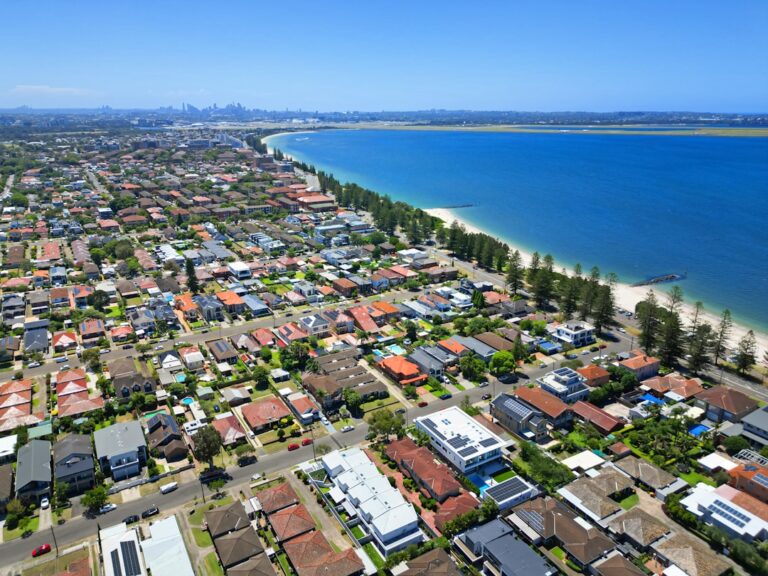
Australian Property Forecast 2025: What to Expect
As you navigate the complexities of the current economic landscape, it becomes increasingly clear that various factors are shaping the trajectory of growth and stability. The global economy is experiencing a period of recovery, albeit unevenly across different sectors and regions. Inflation rates, interest rates, and employment figures are all critical indicators that you should keep an eye on.
The economic outlook for the coming years suggests a cautious optimism. While some industries are rebounding robustly, others are still grappling with the aftereffects of the pandemic.
However, supply chain disruptions continue to pose challenges, leading to fluctuations in prices and availability of goods. As you consider your financial future, understanding these dynamics will be crucial in making informed decisions about investments and property ownership.
Key Takeaways
- Economic outlook remains uncertain due to ongoing global challenges and inflation concerns.
- Housing market trends show a shift towards suburban and rural areas as remote work becomes more common.
- Regional variations in housing market performance continue to be influenced by factors such as job growth and affordability.
- Government policies such as tax incentives and infrastructure investments are expected to impact housing market dynamics.
- Rental market predictions indicate a continued demand for affordable housing and flexible lease options.
- Foreign investment influence in real estate is expected to fluctuate based on geopolitical and economic factors.
- Sustainability and green initiatives are becoming increasingly important in real estate development and property management.
- Technology and innovation are driving changes in the real estate industry, including virtual tours and blockchain transactions.
Housing Market Trends
In the realm of real estate, housing market trends are evolving rapidly, influenced by a myriad of factors including economic conditions, demographic shifts, and consumer preferences. You might notice that home prices have surged in many areas, driven by low mortgage rates and a competitive market. This surge has made homeownership more appealing for many, but it has also created challenges for first-time buyers who are struggling to enter the market amidst rising prices.
Additionally, the demand for suburban and rural properties has increased as remote work becomes more entrenched in corporate culture. You may find that many individuals are prioritizing space and affordability over proximity to urban centers. This shift is reshaping the housing landscape, leading to increased development in previously overlooked areas.
As you explore your options in the housing market, consider how these trends align with your personal needs and long-term goals.
Regional Variations

When examining the housing market, it’s essential to recognize that regional variations play a significant role in shaping local economies and real estate dynamics. Depending on where you live or plan to invest, you may encounter vastly different market conditions. For instance, metropolitan areas often experience higher demand and prices due to job opportunities and amenities, while rural regions may offer more affordable options but with limited access to services.
You might also observe that certain regions are experiencing population growth due to migration patterns influenced by lifestyle changes and job availability. States like Texas and Florida have seen an influx of residents seeking lower taxes and a more favorable climate. Conversely, some areas in the Northeast and Midwest are witnessing population declines, which can lead to stagnation in property values.
Understanding these regional nuances will empower you to make strategic decisions based on local market conditions.
Impact of Government Policies
| Government Policy | Impact |
|---|---|
| Taxation | Can affect consumer spending and business investment |
| Regulation | Can influence industry practices and consumer protection |
| Subsidies | Can support certain industries or activities |
| Trade Policies | Can impact international trade and economic relationships |
Government policies have a profound impact on the real estate market, influencing everything from interest rates to zoning laws. As you consider your position in the housing market, it’s important to stay informed about legislative changes that could affect your investments or homeownership experience. For instance, recent initiatives aimed at increasing affordable housing options may create new opportunities for buyers and renters alike.
Moreover, tax incentives for first-time homebuyers or energy-efficient renovations can significantly influence your financial decisions. You may find that understanding these policies not only helps you navigate the current landscape but also positions you advantageously for future developments. Keeping abreast of local and national policy changes will enable you to adapt your strategies accordingly.
Rental Market Predictions
The rental market is another critical aspect of real estate that warrants your attention as you plan for the future. With shifting demographics and economic conditions, rental trends are evolving rapidly. You may notice that demand for rental properties has surged in urban areas as people return to work and seek convenient living arrangements.
However, this demand is tempered by rising rental prices, which can strain budgets for many tenants. Looking ahead, experts predict that the rental market will continue to be influenced by economic recovery and changing lifestyle preferences. You might find that more individuals are opting for flexible living arrangements, such as short-term rentals or co-living spaces, as they prioritize experiences over traditional homeownership.
Understanding these trends will help you make informed decisions whether you’re considering renting out a property or looking for a place to call home.
Foreign Investment Influence

Foreign investment in real estate has become a significant factor in shaping markets across the globe. As you explore opportunities in real estate, it’s essential to consider how international buyers can impact local markets. In many urban centers, foreign investors are driving up property prices, often competing with local buyers for desirable properties.
This influx can create challenges for residents seeking affordable housing options. However, foreign investment can also bring benefits to local economies by stimulating development and creating jobs. You may find that certain regions actively court foreign investors through incentives or streamlined processes for purchasing property.
Understanding the dynamics of foreign investment will allow you to better navigate the competitive landscape and identify potential opportunities or challenges in your local market.
Sustainability and Green Initiatives
Sustainability is becoming an increasingly important consideration in real estate development and investment strategies. As you evaluate properties or projects, you may want to prioritize those that incorporate green initiatives or sustainable practices. From energy-efficient appliances to eco-friendly building materials, these features not only contribute to environmental conservation but can also enhance property value over time.
Moreover, many consumers are now seeking out sustainable living options as part of their lifestyle choices. You might find that properties with green certifications or those located in eco-conscious communities attract higher demand and rental rates. By aligning your investments with sustainability trends, you can position yourself favorably in a market that increasingly values environmental responsibility.
Technology and Innovation in Real Estate
The integration of technology into the real estate sector is transforming how you buy, sell, and manage properties. From virtual tours to blockchain transactions, technological advancements are streamlining processes and enhancing transparency in real estate dealings. As you engage with the market, embracing these innovations can provide you with a competitive edge.
For instance, data analytics tools can help you make informed investment decisions by providing insights into market trends and property performance. Additionally, smart home technology is becoming a standard expectation among buyers and renters alike, making properties equipped with such features more attractive. By staying abreast of technological developments in real estate, you can leverage these tools to optimize your strategies and enhance your overall experience in the market.
In conclusion, as you navigate the multifaceted world of real estate, understanding economic outlooks, housing trends, regional variations, government policies, rental predictions, foreign investment influences, sustainability initiatives, and technological innovations will empower you to make informed decisions. Whether you’re looking to buy a home, invest in rental properties, or simply stay informed about market dynamics, being proactive and knowledgeable will serve you well in this ever-evolving landscape.
FAQs
What is the current state of the Australian property market?
The Australian property market is currently experiencing a strong recovery, with housing prices increasing in most major cities. This recovery is driven by low interest rates, government incentives, and a rebound in consumer confidence.
What are the factors influencing the Australian property market forecast for 2025?
The forecast for the Australian property market in 2025 is influenced by factors such as population growth, economic conditions, government policies, interest rates, and housing supply and demand.
What are the predictions for housing prices in Australia in 2025?
The predictions for housing prices in Australia in 2025 vary, but many experts anticipate continued growth in property prices, particularly in major cities and regional areas with strong economic prospects.
How will government policies impact the Australian property market in 2025?
Government policies, such as changes to taxation, incentives for first home buyers, and infrastructure investment, are expected to have a significant impact on the Australian property market in 2025. These policies can influence housing affordability, demand, and supply.
What are the potential risks or challenges facing the Australian property market in 2025?
Potential risks or challenges facing the Australian property market in 2025 include economic uncertainty, changes to lending regulations, housing affordability issues, and the impact of global events on the local economy. These factors could affect property prices and market activity.