Quick Tips for Selling Your Home Fast
So, you’ve decided it’s time to wave goodbye to your beloved abode and embark on a new chapter. Brilliant! But naturally, the thought of “how long is this going to take?” likely looms large. Fear not, for you have landed in the right place. This guide is packed with actionable strategies designed to get your property flying off the market faster than a Greggs pasty on a Friday lunchtime. We’re talking about selling your home swiftly, efficiently, and with minimal fuss. Let’s dive in.
Before a single buyer even steps through your doorway, the groundwork needs to be laid. This isn’t just about a quick spruce-up; it’s about a strategic transformation that appeals to the broadest possible audience. Think of it as dressing for success, but for your domicile.
Declutter like a Champion Declutterer
This is perhaps the most crucial, and often the most overlooked, step. Buyers need to envision themselves living in your space, and a home crammed with your belongings makes that incredibly difficult.
The “Three Box” Method: Keep, Donate, Bin
Arm yourself with three boxes (or bags, depending on your enthusiasm levels). As you go room by room, make ruthless decisions:
- Keep: These are items you truly love and use regularly.
- Donate: Anything in good condition that you no longer need or want can find a new home. Think charity shops, friends, or online marketplaces.
- Bin: Broken items, rubbish, anything beyond repair or donation.
Be honest with yourself. If you haven’t used something in the last year, the chances are you won’t miss it. This applies to everything from out-of-season clothing in your wardrobes to those novelty mugs you’ve collected over the years.
The Power of Empty Spaces
Walk through your home and imagine it with less. Are your surfaces cluttered with knick-knacks? Are your shelves overflowing? Removing even a third of your possessions can make a room feel significantly larger and more inviting. This is especially important in smaller rooms, where clutter can quickly make them feel cramped. Don’t forget to tackle those often-forgotten areas like attics, garages, and even under the beds. A buyer will look everywhere, so make sure everywhere is presentable.
Deep Clean Like You’re Trying to Impress the Queen
No, a quick hoover and a polish won’t cut it. We’re talking about a forensic-level clean. Every nook and cranny needs to sparkle.
Kitchen Brilliance
The kitchen is often the heart of the home, and buyers will scrutinise it. Ensure all surfaces are gleaming, the oven is spotless (inside and out!), and the fridge is freshly wiped down. Don’t forget about the splashback and extractor fan – these can easily accumulate grease. Consider cleaning out and organising cupboards and drawers. Empty cupboards look bigger and more appealing.
Bathroom Bonanza
Bathrooms are another key area. Lime scale needs to be banished from taps and showerheads. Grout should be sparkling clean, and mirrors should be free of streaks. Mould should be thoroughly scrubbed away. Ensure all personal toiletries are tidied away. A fresh scent, perhaps from a subtle bathroom spray or some strategically placed potpourri, can also create a positive impression.
Window Wonders
Dirty windows can make even the brightest day feel dim. Give all your windows a thorough clean, both inside and out. This simple task can significantly enhance the natural light in your home, making it feel more airy and welcoming.
Neutralise and Neutralise Again
While you might love your bold feature wall, it’s unlikely to appeal to everyone. Opting for a neutral colour palette is a timeless and effective strategy.
The Magic of Magnolia (and its Modern Cousins)
Think soft greys, warm beiges, and off-whites. These colours create a blank canvas for potential buyers to project their own style onto. They also make rooms appear larger and brighter.
Avoid Personalisation Overload
This means tucking away family photographs, personal collections, and anything that screams “this is your house.” Buyers want to see a home, not a shrine to your life. The goal is to create an aspirational space they can easily imagine making their own.
Stage Two: The Art of the Appealing Aesthetic
Once the decluttering and cleaning are done, it’s time to focus on making your home as visually attractive as possible. This is where presentation truly matters.
Home Staging: The Secret Weapon
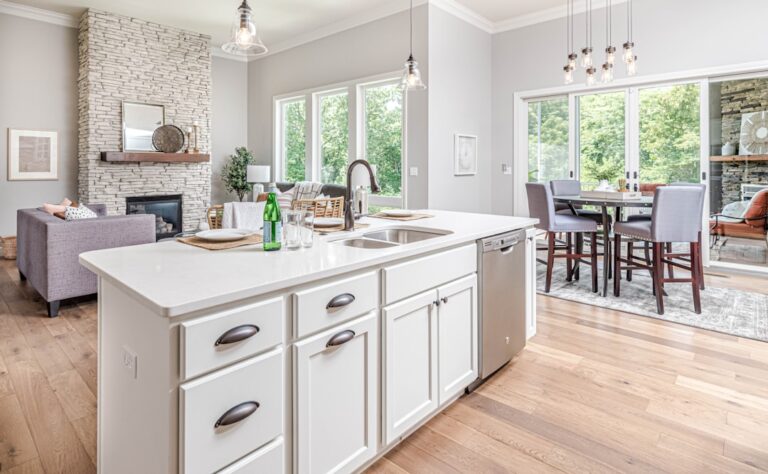
Home staging is the practice of decorating a house for sale to make it more attractive to potential buyers. It’s not about hiding anything, but rather about highlighting the best features and creating a warm, inviting atmosphere.
Furniture Placement Magic
This isn’t just about shoving furniture where it fits. Consider how the space flows. Arrange furniture to create natural walkways and conversation areas. In a living room, position sofas and chairs to face each other. In a bedroom, ensure the bed is the focal point.
Accessorise with Savvy
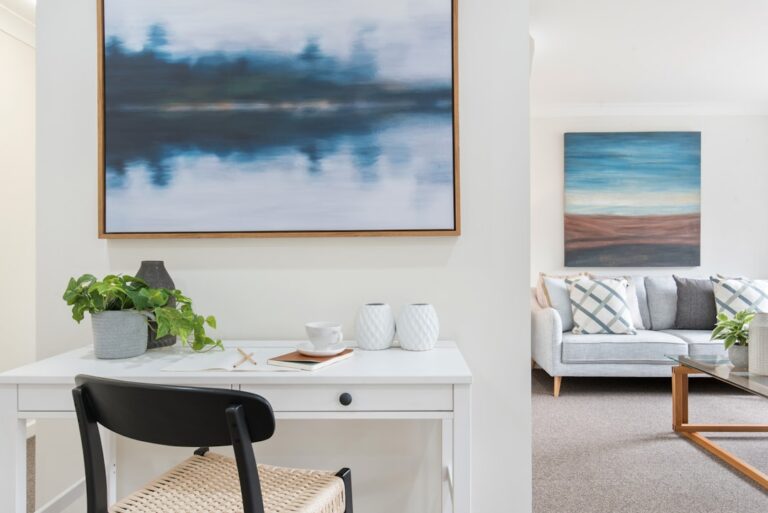
Subtle accessories can make a world of difference. Think fresh flowers, well-placed cushions, and throws that add a touch of comfort and colour. Avoid anything overly gaudy or personal. Think of it as styling a magazine shoot – the aim is to create an aspirational lifestyle.
Lighting is Everything
Natural light is your best friend. Open all curtains and blinds during viewings. But also consider artificial lighting. Lamps can create a warm and cosy ambiance in the evenings, and ensuring all light fixtures are working and bulbs are fresh can make a significant difference. Consider dimmer switches for a more versatile lighting experience.
Curb Appeal: First Impressions Count
The exterior of your home is the very first thing a potential buyer will see, whether they’re driving past or arriving for a viewing. Make it count.
The Welcoming Entrance
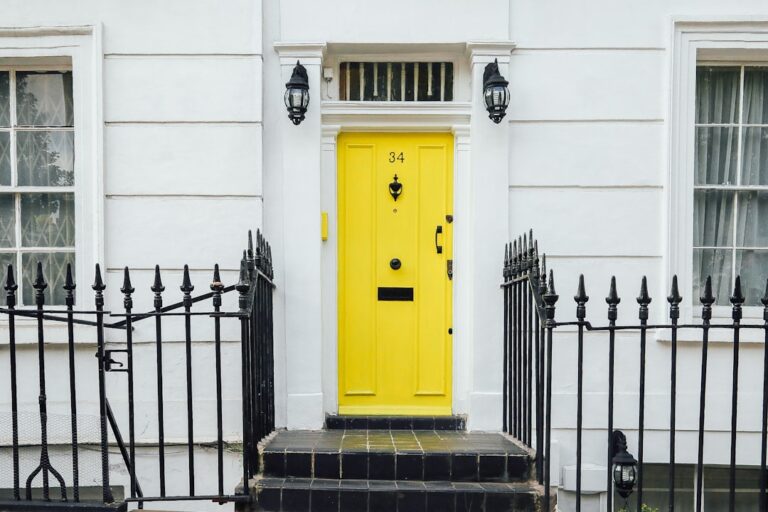
A clean and well-maintained front door is essential. A fresh coat of paint, new hardware, or even a well-placed doormat can make a big difference. Ensure your house number is clear and visible.
Garden Grandeur
Your garden, however small, needs to look its best. Mow the lawn, weed flowerbeds, and trim hedges. A few colourful plants or hanging baskets can add a cheerful touch. If you have a patio or decking area, ensure it’s clean and perhaps furnished with some outdoor seating.
Tidy Up the Exterior
Remove any clutter from the driveway or pathways. Ensure bins are neatly stored away. A general sense of order and upkeep on the outside will convey that the property has been well-loved and maintained.
Stage Three: Pricing it Right to Attract Buyers
Overpricing your home is one of the surest ways to ensure it sits on the market for months. Conversely, underpricing might leave money on the table. It’s a delicate balance.
Market Research: Know Your Worth (and Your Neighbours’)
Before setting a price, do your homework.
Comparable Sales (Comps)
Look at recent sales of similar properties in your immediate area. This is perhaps the most vital piece of information. Estate agents will have access to this data, so engage with them. What did similar homes with similar features and in similar condition sell for?
Factor in Your Property’s Unique Selling Points
Does your home have a recent extension? A stunning garden? A particularly desirable location? These factors can command a higher price than comparable properties. Conversely, if your home needs significant modernisation, factor that into your pricing.
The Psychology of Pricing
How you present the price can also influence buyers.
Round Numbers vs. Specific Figures
While round numbers (e.g., £300,000) can sound appealing, prices ending in ‘9’ (e.g., £299,995) are often perceived as a bargain. This is a psychological tactic that can encourage viewings.
Avoid Overpricing at All Costs
It’s far better to price your home competitively from the outset. Having to reduce the price multiple times can create a negative perception that something is wrong with the property. Buyers will assume it’s overpriced and will be less inclined to view it.
Getting Professional Advice: Your Estate Agent’s Role
Your estate agent is your key ally in pricing your home effectively.
Their Local Expertise
A good agent will have their finger on the pulse of the local market. They understand what buyers are looking for and what they are willing to pay.
Honest Valuations
Don’t be afraid to get valuations from multiple agents. Listen to their reasoning. A realistic valuation from an experienced agent is invaluable. Be wary of agents who give you an unrealistically high valuation just to get your business.
Stage Four: Marketing Masterclass: Showcasing Your Gem

Once your home is prepped and priced, it’s time to shout about it from the rooftops – or at least, through the most effective marketing channels.
Professional Photography: The Gateway to Interest
In today’s digital age, high-quality photographs are non-negotiable.
Invest in a Professional
Smartphone pictures, even good ones, rarely capture the true essence of a home. A professional photographer knows how to use lighting, angles, and composition to showcase your property in the best possible light. They can make a compact room look spacious and a drab exterior look inviting.
Highlight Key Features
Ensure the photos highlight your home’s best attributes, whether it’s a stunning kitchen, a beautiful garden, or a charming period feature.
Virtual Tours and Video Walkthroughs
These are becoming increasingly popular and allow potential buyers to get a feel for the property without physically being there. They can be particularly useful for attracting buyers who are relocating or live a significant distance away.
Compelling Property Descriptions: Telling Your Home’s Story
The words used to describe your home are just as important as the pictures.
Focus on Benefits, Not Just Features
Instead of saying “large lounge,” say “spacious lounge perfect for family gatherings.” Highlight how the features of your home will benefit the buyer.
Use Evocative Language
Describe the atmosphere, the light, and the lifestyle your home offers. Use words like “cosy,” “airy,” “sun-drenched,” “convenient,” and “tranquil.”
Keep it Concise and Engaging
Buyers are often scanning online listings. Make your description easy to read and captivating from the start. Avoid jargon and clichés.
Online Listings and Social Media: Reaching the Masses
Your property needs to be visible where buyers are looking.
Major Property Portals
Ensure your property is listed on all the major UK property websites (e.g., Rightmove, Zoopla).
Estate Agent’s Website and Social Media
Your estate agent will likely promote your property on their own website and social media channels.
Consider Targeted Social Media Advertising
If your budget allows, targeted advertising on platforms like Facebook or Instagram can reach a specific demographic of potential buyers.
Stage Five: Seamless Viewings and Swift Negotiation
| Metrics | Data |
|---|---|
| Average Days on Market | 30 days |
| Percentage of Asking Price | 98% |
| Number of Showings | 15 |
| Number of Offers | 3 |
The moment of truth has arrived: viewings. This is your chance to connect with potential buyers and seal the deal.
Orchestrating the Perfect Viewing
Preparation and presentation are key to ensuring viewings are a success.
Timing is Everything
Try to be as flexible as possible with viewing times. The more availability you offer, the more potential buyers you can accommodate. Consider weekday evenings and weekend afternoons.
The Tidy Home Rule (Again!)
Ensure your home is immaculate for every viewing. Tidy away toys, personal items, and any potential hazards. Open curtains, turn on lights, and ensure a pleasant temperature.
The Art of the Host
Welcome buyers warmly and then… leave them to explore. Provide an information pack with key details about the property (e.g., council tax band, energy performance certificate, details of recent refurbishments). Let your agent handle the hard selling. You can briefly chat if you have a particular connection or area you wish to highlight, but don’t hover.
Handling Offers and Negotiation: The Business End
This is where your strategy and realistic expectations come into play.
Stay Calm and Objective
Receiving an offer can be exciting, but it’s important to remain calm and objective. Don’t let emotions dictate your decision.
Understand the Buyer’s Position
Try to gauge the buyer’s situation. Are they first-time buyers? Do they have a property to sell? Understanding their motivation can help with the negotiation process.
Negotiate with Your Agent
Your estate agent is your intermediary. They will communicate offers back and forth and can provide valuable advice on how to proceed. Be prepared to justify your asking price and any counter-offers.
Be Prepared to Compromise
Selling fast often means being willing to compromise. While you don’t want to be undervalued, refusing a reasonable offer might mean losing the sale altogether.
The “For Sale” Board and “Sold” Sticker: A Symbol of Success
Once an offer is accepted, the “Sold” sticker is the final, glorious punctuation mark. However, the journey isn’t quite over until contracts are exchanged and completion takes place. Remain diligent during this final phase, working closely with your solicitor to ensure a smooth transition.
By implementing these quick tips, you’ll significantly increase your chances of selling your home fast. It requires effort, dedication, and a strategic approach, but the reward of a swift sale and a stress-free move is well worth it. Now go forth and get your property sold!
FAQs
1. What are some tips for selling my home fast?
Some tips for selling your home fast include setting the right price, improving curb appeal, decluttering and depersonalising the space, and hiring a professional photographer to showcase your home in its best light.
2. How can I attract potential buyers to my home?
To attract potential buyers to your home, consider staging the property, using high-quality photos in your listings, and promoting your home on various online platforms and social media. Hosting open houses and being flexible with viewing times can also attract more potential buyers.
3. What are some common mistakes to avoid when trying to sell my home fast?
Common mistakes to avoid when trying to sell your home fast include overpricing the property, neglecting necessary repairs and maintenance, and not properly marketing the home. It’s also important to be flexible with negotiations and not to turn away potential buyers too quickly.
4. Should I consider hiring a real estate agent to sell my home fast?
Hiring a real estate agent can be beneficial when trying to sell your home fast, as they have the expertise and resources to market your property effectively and negotiate with potential buyers. However, it’s important to carefully consider the costs and benefits of hiring an agent.
5. What are some alternative options for selling my home fast?
Some alternative options for selling your home fast include selling to a cash buyer or real estate investor, using a quick sale company, or exploring the option of a short sale if you’re facing financial difficulties. It’s important to carefully research and consider the pros and cons of each alternative option before making a decision.