Fast House Sale: Top Tips for Quick Transactions
Are you contemplating selling your property and dreading the potentially lengthy and arduous process? You’re not alone. In today’s dynamic property market, homeowners often seek a swift and seamless transaction. Whether you’re relocating for work, eager to downsize, or simply keen to move on to your next adventure, a fast house sale can significantly reduce stress and financial strain. This comprehensive guide will equip you with the essential strategies and insider tips to expedite your property sale, ensuring a smooth and efficient journey from listing to completion.
Before you even think about putting your house on the market, it’s crucial to acknowledge the power of a phenomenal first impression. Potential buyers often form an opinion within seconds of seeing a property, both online and in person. Don’t underestimate the impact of making your home as appealing as possible.
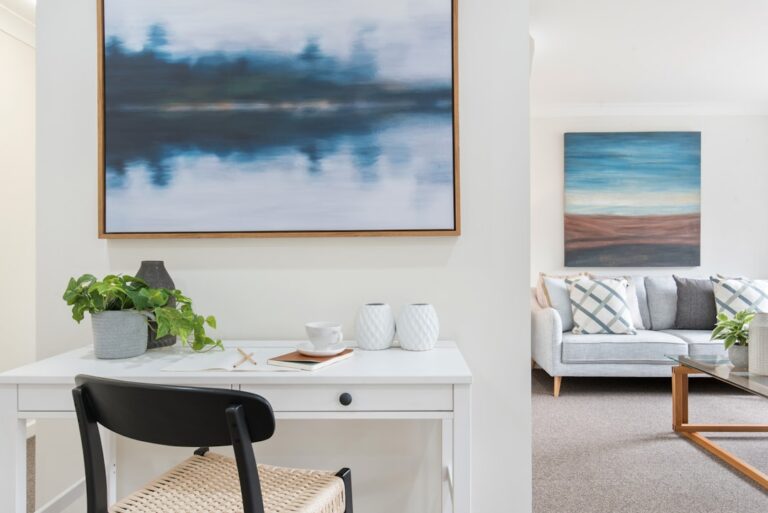
Declutter and Depersonalise: Create a Blank Canvas
Imagine walking into a friend’s house versus walking into a show home. The show home, while stylish, feels neutral, allowing you to envision yourself living there. This is precisely the effect you want to achieve.
Remove Personal Items:
Store away family photos, quirky art, and distinctive collections. These can be distracting and make it harder for buyers to visualise their own lives in the space. Remember, you’re selling a lifestyle, not your personal history.
Declutter Every Room:
Go through each cupboard, drawer, and surface. If you haven’t used it in six months, consider selling, donating, or discarding it. Less clutter equates to more space, and more space is always appealing. Think about renting a temporary storage unit if you have a significant amount of belongings you can’t part with yet.
Minor Repairs and Maintenance: Attention to Detail Pays Off
While you might be used to that dripping tap or the scuff mark on the wall, potential buyers will notice these imperfections. Small issues can give the impression of a poorly maintained home, leading to doubts about larger, unseen problems.
Fix Leaky Taps and Showerheads:
A constant drip is not only annoying but also suggests neglect.
Touch Up Scuffed Paintwork:
A fresh coat of neutral paint can work wonders. Opt for classic shades like
magnolia, almond white, or light grey – these are universally appealing and make rooms feel brighter and larger.
Address Minor Structural Issues:
Cracks in plaster, loose tiles, or squeaky doors should be repaired. These small fixes significantly improve the overall perception of the property’s condition.
Ensure All Lights Are Working:
A burnt-out bulb isn’t just an inconvenience; it can create a dim and uninviting atmosphere, especially during viewings.
Enhance Curb Appeal: The Exterior Speaks Volumes
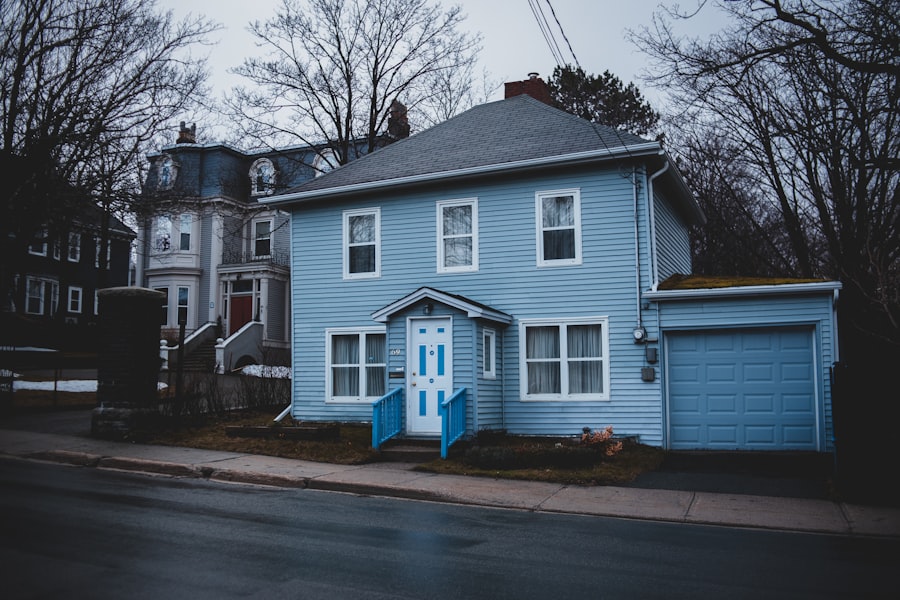
The exterior of your home is the first thing real estate agents and potential buyers see in person. It creates the initial “wow” or “oh” factor and sets the tone for the rest of the viewing.
Maintain Your Garden:
Mow the lawn, trim hedges, weed flowerbeds, and sweep paths. A neat and tidy garden implies a well-cared-for home. Consider adding a few potted plants or some colourful flowers for a welcoming touch.
Clean Doors and Windows:
Sparkling windows let in more light and make the house feel brighter. A clean front door adds to the inviting atmosphere.
Power Wash Exterior Surfaces:
This can remove years of grime from brickwork, paving, and decking, making a dramatic difference to the property’s overall appearance.
Check Gutters and Downpipes:
Ensure they are free of debris and in good condition. This prevents potential water damage and conveys a sense of diligent maintenance.
Choosing the Right Agent and Pricing Strategically
Selecting the right real estate agent and setting an astute price are two of the most critical factors in achieving a swift sale. A good agent will guide you through the process, and a well-researched price will attract the right buyers.
Selecting the Best Estate Agent: Your Ally in the Sale
Don’t just pick the first agent you see on the high street. Interview multiple agents and assess their suitability.
Local Market Expertise:
Choose an agent with a deep understanding of your specific local area. They should be able to provide evidence of recent sales of similar properties in your neighbourhood.
Proven Track Record:
Ask about their average time to sale and their success rate. A good agent will be transparent about their performance.
Marketing Strategy:
How do they plan to market your property? Do they use professional photography, floor plans, virtual tours, and prominent online listings? A comprehensive marketing plan is essential for broadening your reach.
Communication Skills:
You’ll be working closely with this person, so ensure they are good communicators, responsive, and provide regular updates.
Competitive Commission Rates:
While not the sole deciding factor, compare commission rates. However, remember that the cheapest agent isn’t always the best; value for money should be your priority.
Setting the Right Price: The Sweet Spot
Overpricing your home is the most common reason for a lengthy sale. Buyers are savvy and will quickly dismiss properties that are out of sync with the market.
Research Comparable Sales (Comps):
Your estate agent should provide you with data on recently sold similar properties in your area. This is the most reliable indicator of your property’s value.
Consider the Current Market:
Is it a buyer’s market or a seller’s market? In a buyer’s market, you might need to be more aggressive with your pricing. In a seller’s market, you might have more leeway.
Be Realistic:
While you might have an emotional attachment to your home, buyers only see its market value. Listen to your agent’s advice, even if it’s not what you initially wanted to hear.
Strategic Pricing:
Sometimes, pricing just below a common search threshold (e.g., £299,950 instead of £300,000) can attract more buyers.
Maximising Your Property’s Online Presence

In today’s digital age, the vast majority of property searches begin online. Your property’s digital footprint is paramount to attracting buyer interest.
Professional Photography and Videography: A Picture Is Worth a Thousand Words
This is arguably the most crucial aspect of your online listing. High-quality visuals make your property stand out in a crowded market.
Hire a Professional Photographer:
Do not skimp on this. Professional photographers use wide-angle lenses, optimal lighting, and expert editing to showcase your home in the best possible light. Blurry, poorly lit, or phone camera photos are a no-go.
Highlight Key Features:
Ensure the photographs capture the unique selling points of your home, whether it’s a stunning garden, a modern kitchen, or a spacious living area.
Consider Drone Photography:
If your property has significant land or an impressive exterior, drone footage can provide a breathtaking perspective.
Create a Virtual Tour:
This allows potential buyers to “walk through” your home from the comfort of their own device. It saves time for both you and serious buyers and significantly reduces the number of non-serious viewings.
Compelling Property Descriptions: Hook Your Audience
While visuals attract attention, the description persuades. A well-written narrative can evoke emotion and highlight the lifestyle your property offers.
Focus on Benefits, Not Just Features:
Instead of merely stating “three bedrooms,” explain “three spacious bedrooms, ideal for a growing family or dedicated home office.”
Use Evocative Language:
Employ descriptive adjectives that paint a picture. “Sun-drenched conservatory,” “tranquil garden oasis,” or “contemporary open-plan living” are far more engaging than bland descriptions.
Highlight Local Amenities:
Mention nearby schools, transport links, parks, shops, and restaurants – anything that adds value to the buyer’s lifestyle.
Be Honest and Accurate:
While you want to present your property positively, avoid exaggeration or misleading statements. Transparency builds trust.
Effective Viewings and Negotiation Tactics
Once your property is live and attracting interest, the viewing stage becomes critical. How you present your home and engage with potential buyers can significantly influence their decision.
Preparing for Viewings: Make It Sparkle
Each viewing is an opportunity to impress. Think of it as a meticulously choreographed show where your home is the star.
Deep Clean Your Home:
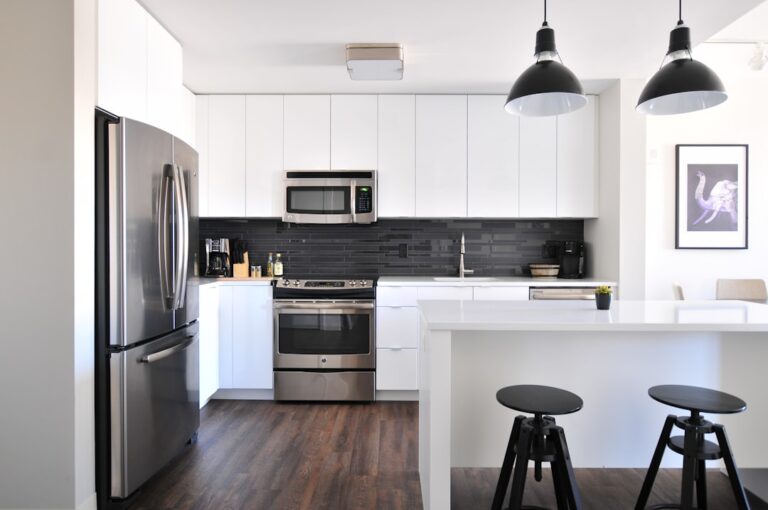
Every surface should gleam. Pay particular attention to bathrooms and kitchens, as these are often deal-breakers for buyers.
Eliminate Odours:
Open windows to air out the house. Avoid strong air fresheners, which can be off-putting. If you have pets, ensure their presence is undetectable. Brewing fresh coffee or baking bread can create a welcoming aroma.
Set the Scene:
Turn on all lights – even during the day – to create a bright and inviting atmosphere. Open curtains and blinds to maximise natural light.
Ensure a Comfortable Temperature:
In winter, make sure it’s warm and cosy. In summer, ensure proper ventilation.
Step Out During Viewings:
Whenever possible, allow the estate agent to conduct the viewing alone with the potential buyers. Most buyers feel more comfortable and speak more freely without the homeowner present.
Handling Offers and Negotiations: Play Your Cards Right
Receiving an offer is exciting, but the negotiation process requires a calm and strategic approach.
Don’t Jump at the First Offer:
Unless it’s an exceptional offer that meets or exceeds your expectations, take a moment to consider it. Your agent will advise you on whether it’s reasonable given market conditions.
Understand the Buyer’s Position:
Are they cash buyers? Do they have a mortgage in principle? Are they in a chain? The cleaner the buyer’s position, the stronger their offer, even if it’s slightly lower.
Counter-Offers:
If the initial offer is too low, don’t be afraid to make a counter-offer. Your agent will facilitate this negotiation, aiming for a price that satisfies both parties.
Be Prepared to Compromise:
Sometimes, a slight reduction in price or a concession on a fixture can be the difference between a sale and a lost opportunity.
Set a Deadline:
If you have multiple interested parties, or if you want to speed up the decision-making process, your agent can inform potential buyers that a deadline has been set for offers.
Streamlining the Legal and Administrative Process
| Metrics | Data |
|---|---|
| Property Price | Competitive market value |
| Property Condition | Well-maintained and attractive |
| Marketing Strategy | Effective online and offline promotion |
| Real Estate Agent | Experienced and proactive |
| Home Staging | Professional and appealing presentation |
| Open House Events | Regular and well-organised |
| Flexibility | Willingness to negotiate and accommodate potential buyers |
Even after an offer is accepted, the legal and administrative hurdles can cause significant delays. Proactive preparation can shave weeks off the transaction time.
Engage a Proactive Conveyancer: The Legal Eagle
Your conveyancer (or solicitor) is responsible for all the legal aspects of the property transfer. A slow or unresponsive solicitor can be a bottleneck.
Choose Early and Wisely:
Research and appoint your conveyancer as soon as you decide to sell, even before you’ve found a buyer. Get recommendations from friends, family, or your estate agent.
Check Their Reputation:
Look for conveyancers with a strong track record of efficiency and good communication. Online reviews can be very helpful here.
Ensure They’re Proactive:
A good conveyancer will anticipate potential issues and communicate regularly. They should be chasing relevant parties, not waiting to be chased.
Obtain a Quote:
Make sure the quote is comprehensive and includes all fees, so you aren’t hit with unexpected costs later.
Gather Necessary Documents in Advance: Be Prepared
Many delays occur because crucial documents are missing or require updating. Getting these in order early will significantly smooth the process.
EPC (Energy Performance Certificate):
This is legally required before you market your property. If yours has expired (they are valid for 10 years), arrange for a new one.
Property Information Form (TA6):
This form provides detailed information about your property, including boundaries, disputes, and services. Your conveyancer will help you complete it.
Fittings and Contents Form (TA10):
Here, you list what is included in the sale (e.g., carpets, curtains, white goods) and what isn’t. Be clear and precise to avoid disputes later.
Service Records and Guarantees:
Dig out any service records for boilers, electrical installations, or guarantees for damp-proofing, double glazing, or major appliances.
Building Regulation Certificates:
For any significant alterations or extensions (e.g., loft conversions, new windows), ensure you have the relevant building regulation compliance certificates.
Leasehold Information (if applicable):
If your property is leasehold, gather information such as ground rent, service charges, lease length, and contact details for the freeholder/managing agent.
Communicate Effectively: Keep Everyone in the Loop
Open and consistent communication among all parties is vital to keeping the sale moving forward.
Stay in Regular Contact with Your Agent and Conveyancer:
Don’t be afraid to regularly check in for updates. A polite, proactive approach helps keep your sale a priority.
Respond Promptly to Queries:
When your conveyancer or agent requests information or documents, provide them as quickly as possible. Delays on your part directly impact the timeline.
Anticipate Potential Issues:
If you’re aware of any potential issues with your property’s history, condition, or chain, inform your conveyancer and agent early. Transparency can help them prepare and mitigate problems.
Selling a house quickly and efficiently requires a blend of preparation, strategic thinking, effective marketing, and diligent management of the legal process. By meticulously preparing your property, choosing the right professionals, presenting your home impeccably online and in person, and proactively dealing with administrative tasks, you significantly increase your chances of securing a fast and lucrative sale. Remember, every tip outlined above contributes to creating a seamless transaction, moving you closer to your next home with minimal fuss. Good luck!
FAQs
1. What are some tips for selling a house quickly?
Some tips for selling a house quickly include setting the right price, improving the curb appeal, decluttering and depersonalising the space, and hiring a professional photographer to showcase the property in its best light.
2. How can I attract potential buyers to my property?
To attract potential buyers to your property, consider staging the home to highlight its best features, using high-quality photos and videos for online listings, and promoting the property through various marketing channels such as social media, real estate websites, and local publications.
3. What role does pricing play in selling a house quickly?
Pricing plays a crucial role in selling a house quickly. Setting the right price from the beginning can attract more potential buyers and lead to a faster sale. It’s important to research the local market and consider the condition and location of the property when determining the price.
4. Are there any legal or administrative steps to consider when selling a house quickly?
When selling a house quickly, it’s important to ensure that all legal and administrative steps are followed. This may include obtaining a home inspection, preparing all necessary paperwork, and working with a solicitor or conveyancer to handle the legal aspects of the sale.
5. What are some common mistakes to avoid when trying to sell a house quickly?
Some common mistakes to avoid when trying to sell a house quickly include overpricing the property, neglecting necessary repairs or updates, and not properly marketing the home to reach potential buyers. It’s also important to be flexible with viewing times and open to negotiating with potential buyers.