Maximizing Your Profit: Understanding Home Selling Commission and How to Negotiate
Introduction
Selling a home can be a complex and overwhelming process. From finding the right real estate agent to marketing your property and negotiating offers, there are many factors to consider. One important aspect of selling a home that often gets overlooked is understanding home selling commissions. Commissions can significantly impact your bottom line, so it’s crucial to have a clear understanding of how they work and how to negotiate a fair rate.
What is a Home Selling Commission and How Does it Work?
A home selling commission is the fee that is paid to the real estate agent or broker who helps you sell your home. It is typically a percentage of the final sale price of the property. The commission is usually split between the listing agent (the agent who represents the seller) and the buyer’s agent (the agent who represents the buyer).
The commission is calculated based on the agreed-upon percentage and the final sale price of the home. For example, if the commission rate is 6% and the home sells for $300,000, the total commission would be $18,000 ($300,000 x 0.06). This amount would then be split between the listing agent and the buyer’s agent.
In most cases, it is the seller who pays the commission. The commission is typically deducted from the proceeds of the sale at closing. However, in some cases, such as when a buyer is purchasing a new construction home directly from a builder, the builder may pay the commission.
Understanding the Different Types of Home Selling Commissions
There are several different types of home selling commissions that you may encounter when selling your home. The most common types include percentage-based commissions, flat fee commissions, and tiered commissions.
A percentage-based commission is calculated as a percentage of the final sale price of the home. This is the most common type of commission structure and is often used by traditional real estate agents. The percentage can vary but is typically around 5-6% of the sale price.
A flat fee commission is a set fee that is agreed upon between the seller and the agent. This type of commission is not based on the sale price of the home and can be a more cost-effective option for sellers, especially if they are selling a higher-priced property.
A tiered commission structure is a combination of both a percentage-based commission and a flat fee. This structure allows for a lower commission rate on the first portion of the sale price and a higher rate on any amount above that. For example, the commission rate may be 5% on the first $500,000 and 3% on any amount above that.
When considering which type of commission structure to use, it’s important to compare the pros and cons of each. A percentage-based commission may be more beneficial if you are selling a higher-priced property, while a flat fee commission may be more cost-effective for lower-priced properties.
How to Determine a Fair Home Selling Commission
Determining a fair home selling commission can be challenging, as there are many factors that can affect commission rates. Some of these factors include the current market conditions, the location and condition of your home, and the level of experience and expertise of the agent.
One way to determine a fair commission rate is to research what other homes in your area have sold for and what commission rates were paid. This can give you an idea of what is typical in your market. You can also ask multiple agents for their opinion on what they believe is a fair rate.
When negotiating a commission rate with an agent, it’s important to consider their experience and expertise. A more experienced agent may be able to sell your home faster and for a higher price, which could justify a higher commission rate. However, it’s also important to consider your budget and what you feel comfortable paying.
Tips for Negotiating a Lower Home Selling Commission
If you’re looking to negotiate a lower home selling commission, there are several strategies you can use. First, it’s important to approach the negotiation process with a respectful and professional attitude. Remember that the agent is providing a service and deserves to be compensated for their time and expertise.
One strategy is to offer something in exchange for a lower commission rate. For example, you could offer to handle some of the marketing and advertising for your property or offer to pay for professional photography or staging. This can help offset some of the agent’s costs and may make them more willing to negotiate on the commission rate.
It’s also important to maintain a good relationship with the agent throughout the negotiation process. Building trust and rapport can go a long way in getting them to agree to a lower commission rate. Be open and honest about your budget and what you feel comfortable paying, and be willing to listen to their perspective as well.
The Pros and Cons of Discount Real Estate Brokers
Discount real estate brokers are becoming increasingly popular, especially with sellers who are looking to save money on commissions. These brokers typically offer a lower commission rate than traditional agents, often in the range of 1-2% of the sale price.
One advantage of working with a discount broker is the potential cost savings. If you’re selling a higher-priced property, even a small reduction in the commission rate can result in significant savings. Additionally, discount brokers often offer similar services as traditional agents, such as marketing and advertising, so you’re not sacrificing quality.
However, there are also some disadvantages to working with discount brokers. One potential drawback is that they may not have the same level of experience and expertise as traditional agents. This could result in a longer time on the market or a lower sale price for your home.
It’s also important to carefully review the services that are included in the discounted commission rate. Some discount brokers may charge additional fees for certain services, such as professional photography or staging, which could offset any savings you may have gained on the commission rate.
When considering whether to work with a discount broker, it’s important to carefully weigh the pros and cons and determine if the potential cost savings outweigh any potential drawbacks.
How to Choose the Right Real Estate Agent for Your Needs
Choosing the right real estate agent is crucial to a successful home selling experience. There are several factors to consider when selecting an agent, including their experience and expertise, their knowledge of the local market, and their communication style.
One of the best ways to find a reputable agent is through referrals from friends, family, or colleagues who have recently sold a home. You can also research agents online and read reviews from past clients. This can give you a good sense of their track record and how satisfied their clients have been.
During the interview process, it’s important to ask the agent a series of questions to determine if they are the right fit for your needs. Some questions you may want to ask include:
– How long have you been in the real estate business?
– How many homes have you sold in my area?
– What is your marketing strategy for selling my home?
– How will you communicate with me throughout the process?
It’s also important to check references and ask for examples of past sales they have completed. This can give you a sense of their negotiation skills and their ability to sell homes quickly and for a good price.
The Importance of Marketing and Advertising in Maximizing Your Profit
Marketing and advertising play a crucial role in attracting potential buyers to your home and maximizing your profit. A well-executed marketing plan can generate more interest in your property and result in more offers.
One important aspect of marketing is professional photography. High-quality photos can make your home stand out online and attract more potential buyers. It’s worth investing in professional photography to ensure that your home is presented in the best possible light.
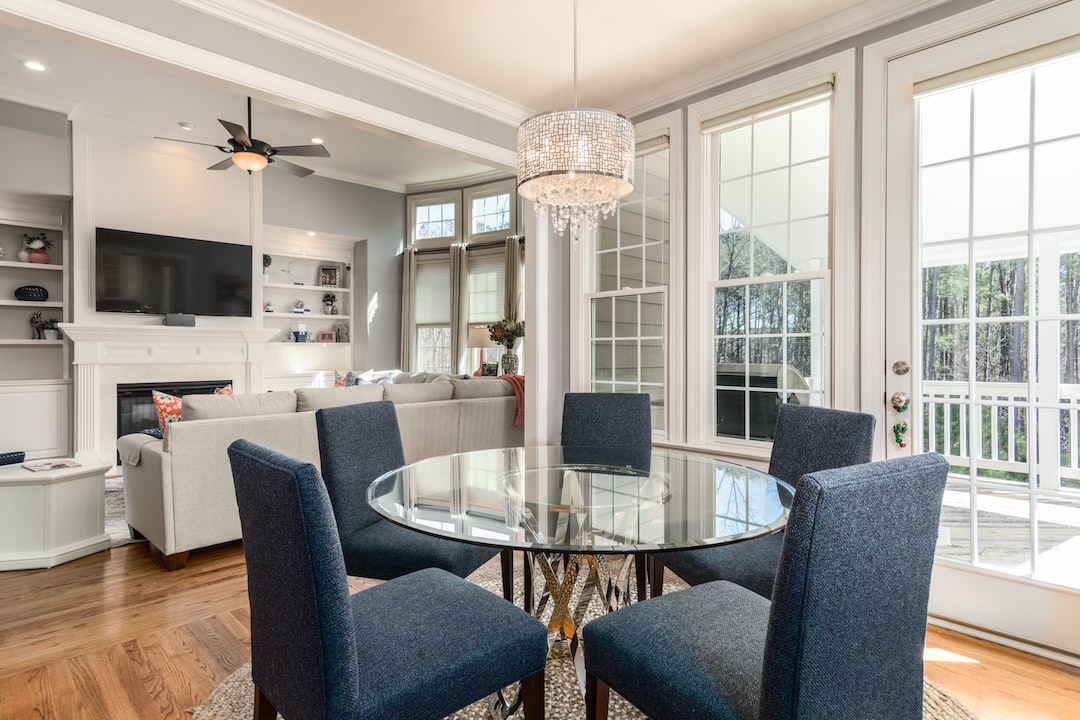
Staging is another important aspect of marketing your home. Staging involves arranging furniture and decor in a way that highlights the best features of your home and makes it more appealing to buyers. A staged home can often sell faster and for a higher price than a vacant or cluttered home.
In addition to photography and staging, it’s important to have a comprehensive marketing plan in place. This may include listing your home on multiple online platforms, hosting open houses, and utilizing social media to reach a wider audience. Your agent should be able to create a customized marketing plan that is tailored to your specific property and target market.
How to Stage Your Home for Maximum Appeal and Profit
Staging your home is an important step in the selling process that can help maximize its appeal and profit potential. Home staging involves arranging furniture, decor, and accessories in a way that showcases the best features of your home and creates an inviting atmosphere for potential buyers.
One of the first steps in staging your home is decluttering. Remove any personal items, excess furniture, and clutter from your space. This will make your home appear larger and more organized, which can be appealing to buyers.
Depersonalizing is another important aspect of staging. Remove any personal photos or items that may distract potential buyers from envisioning themselves living in the space. Neutralize the decor by using neutral colors and removing any bold or personalized design choices.
When staging your home, it’s important to focus on the main living areas, such as the living room, kitchen, and master bedroom. These are the areas that potential buyers will be most interested in, so make sure they are clean, organized, and well-staged.
Consider hiring a professional stager if you’re unsure of how to properly stage your home. A professional stager can provide expert advice on how to showcase your home’s best features and create a welcoming atmosphere for potential buyers.
The Role of Home Inspections in the Home Selling Process
Home inspections play a crucial role in the home selling process. A home inspection is a thorough examination of the property’s condition, including the structure, systems, and components. It is typically conducted by a licensed home inspector.
Getting a pre-listing inspection can be beneficial for sellers, as it allows you to identify any potential issues with your home before putting it on the market. This gives you the opportunity to address any necessary repairs or improvements, which can help increase the value of your home and make it more appealing to buyers.
During the inspection process, the inspector will provide a detailed report outlining any issues or concerns they found. It’s important to carefully review this report and address any necessary repairs or negotiations with the buyer.
If issues are found during the inspection, you have several options for how to handle them. You can choose to make the repairs yourself, offer a credit to the buyer to cover the cost of repairs, or negotiate a lower sale price based on the cost of repairs.
It’s important to work closely with your agent and any professionals involved in the inspection process to ensure that all necessary repairs are addressed and that you are protected throughout the transaction.
How to Close the Deal and Walk Away with Maximum Profit
Closing the deal is the final step in the home selling process. It involves reviewing all offers, negotiating the best deal, and completing all necessary paperwork and legal requirements.
When reviewing offers, it’s important to carefully consider all aspects of each offer, not just the sale price. Look at factors such as financing contingencies, closing dates, and any additional terms or conditions that may be included. Your agent can help you evaluate each offer and determine which one is the best fit for your needs.
Once you have accepted an offer, it’s important to negotiate the terms of the contract to ensure that you are getting the best deal possible. This may involve negotiating the sale price, closing costs, or any repairs or credits that were identified during the inspection process.
Throughout the closing process, it’s important to stay organized and keep track of all necessary paperwork and deadlines. Your agent and any professionals involved in the transaction, such as attorneys or title companies, can help guide you through this process and ensure that all necessary steps are completed.
Finally, once the deal has closed, it’s time to walk away with your maximum profit. Make sure to review all closing documents carefully and verify that all agreed-upon terms have been met. Celebrate your successful sale and start planning for your next adventure.
Conclusion
Selling a home can be a complex and overwhelming process, but with the right knowledge and guidance, it can also be a rewarding experience. Understanding home selling commissions is an important aspect of the process, as it can significantly impact your bottom line.
By understanding how commissions work, the different types of commissions available, and how to negotiate a fair rate, you can ensure that you are getting the best value for your money. Additionally, by working with a knowledgeable and experienced agent, you can maximize your profit potential and have a smooth and successful home selling experience.
So don’t wait any longer – take action and start the home selling process today. With the right preparation and guidance, you can sell your home quickly and for a great price. Good luck!