Maximizing Your Home’s Value: A Comprehensive Selling Checklist
Introduction: Understanding the Importance of Maximizing Your Home’s Value
Selling your home is a significant financial decision, and maximizing its value should be a top priority. By taking the time to improve and prepare your home for sale, you can increase its appeal to potential buyers and command a higher price. The benefits of selling your home for a higher price are numerous. Not only will you have more money in your pocket, but you will also have more options when it comes to purchasing your next home. Additionally, a higher sale price can provide you with a sense of accomplishment and satisfaction.
Analyzing Your Home’s Condition: Identifying Areas That Need Improvement
Before putting your home on the market, it’s essential to assess its condition and identify areas that need improvement. Start by conducting a thorough inspection of your property, both inside and out. Look for any signs of wear and tear, such as cracked walls, leaky faucets, or outdated fixtures. Take note of any repairs that need to be made and prioritize them based on their impact on the overall value of your home.
Once you have identified the areas that need improvement, it’s time to take action. Consider hiring professionals to handle any major repairs or renovations that are beyond your skill level. This could include things like fixing a leaky roof, updating electrical systems, or remodeling outdated bathrooms or kitchens. By investing in these improvements, you can significantly increase the value of your home and make it more appealing to potential buyers.
Choosing the Right Time to Sell: Timing Your Sale for Maximum Profit
Timing is everything when it comes to selling your home for maximum profit. Several factors should be considered when deciding when to put your home on the market. One crucial factor is the current state of the real estate market in your area. If it’s a seller’s market with high demand and low inventory, you may be able to command a higher price for your home. On the other hand, if it’s a buyer’s market with low demand and high inventory, you may need to be more strategic in your pricing and marketing efforts.
Another factor to consider is the time of year. Generally, spring and summer are considered the best seasons to sell a home. The weather is more favorable, and potential buyers are often more motivated to make a move during these months. However, depending on your location and the specific market conditions, other times of the year may also be favorable for selling. It’s essential to do your research and consult with a real estate professional to determine the best time to sell your home for maximum profit.
Setting the Right Price: Determining a Fair Market Value for Your Home
Setting the right price for your home is crucial to attracting potential buyers and maximizing your profit. It’s essential to understand the concept of fair market value, which is the price that a willing buyer and seller would agree upon in an open market. Several factors can affect your home’s value, including its location, size, condition, and recent sales of comparable properties in the area.
To determine a fair market value for your home, consider hiring a professional appraiser or working with a real estate agent who has experience in your local market. They will be able to provide you with an accurate assessment of your home’s value based on current market conditions and recent sales data. It’s important to price your home competitively to attract potential buyers while still leaving room for negotiation.
Preparing Your Home for Sale: Staging and Decluttering Tips
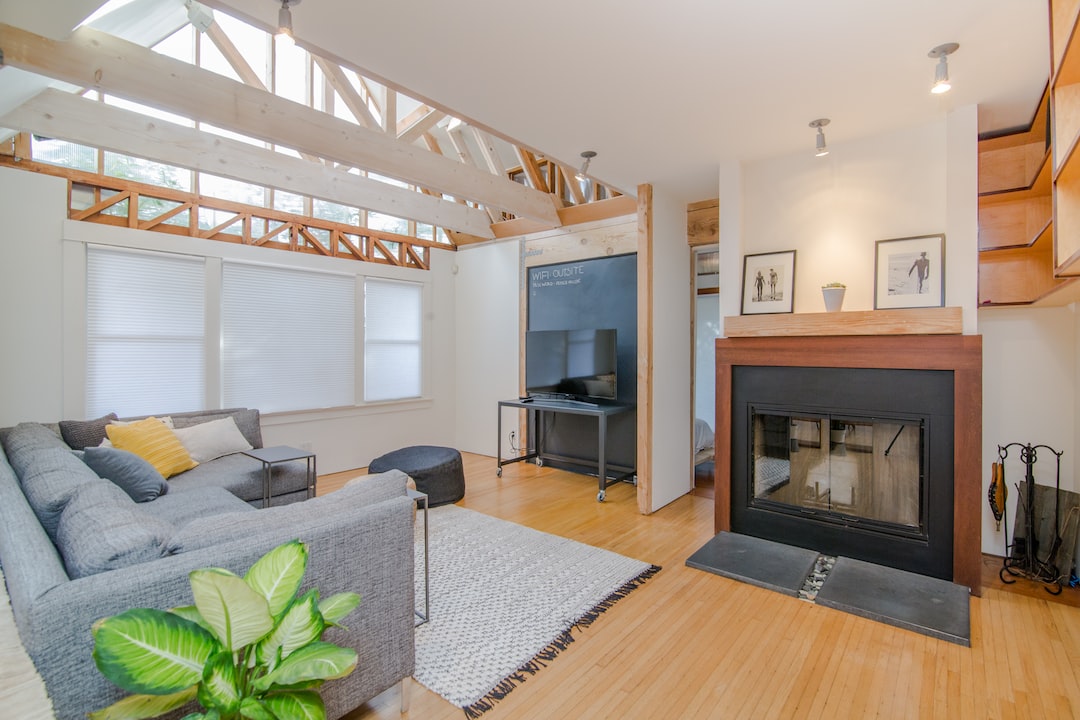
Preparing your home for sale is essential to make it more appealing to potential buyers. One of the most crucial steps in this process is staging your home. Staging involves arranging furniture and decor in a way that highlights your home’s best features and creates a welcoming atmosphere. Consider hiring a professional stager who can help you make the most of your space and create a visually appealing environment.
In addition to staging, decluttering is another essential step in preparing your home for sale. Remove any personal items, excess furniture, and clutter from your home to create a clean and spacious feel. Potential buyers want to be able to envision themselves living in the space, so it’s important to create a neutral and inviting environment.
Marketing Your Home: Creating an Effective Advertising Strategy
Marketing your home is crucial to attracting potential buyers and maximizing its value. Start by creating a comprehensive advertising strategy that includes both online and offline marketing channels. Online marketing is particularly important in today’s digital age, as the majority of home buyers start their search online.
Utilize popular real estate websites and social media platforms to showcase your home’s best features and reach a wide audience. Professional photography and virtual tours can also be effective tools in marketing your home online. In addition to online marketing, consider traditional methods such as yard signs, flyers, and open houses to attract local buyers.
Negotiating with Buyers: Tips for Getting the Best Deal
Negotiation is a critical part of the home selling process, and getting the best deal requires careful strategy and preparation. Start by setting clear goals for what you want to achieve from the sale of your home. This could include a specific sale price, a desired closing date, or certain contingencies that need to be met.
When negotiating with buyers, it’s important to remain calm and objective. Listen to their offers and counteroffers carefully, considering both the financial aspects and any other terms or conditions they may be proposing. Be prepared to compromise but also know your limits and be willing to walk away if the deal doesn’t meet your needs.
Closing the Sale: Understanding the Legal Process
Closing the sale of your home involves several legal steps that must be followed to ensure a smooth transaction. It’s important to understand the legal process and work with a real estate attorney who can guide you through the necessary paperwork and ensure that all legal requirements are met.
During the closing process, the buyer’s lender will conduct a final appraisal and inspection of the property. They will also review all of the necessary documents, including the purchase agreement, title search, and loan documents. Once everything is in order, the buyer will provide the funds for the purchase, and the title will be transferred to their name.
Moving Out: Preparing for Your Next Home
Once the sale of your home is complete, it’s time to start preparing for your next home. This could involve finding a new place to live, packing up your belongings, and coordinating the logistics of moving. Start by decluttering and organizing your belongings to make the moving process more manageable.
Consider hiring professional movers to assist with packing and transporting your belongings. They can help ensure that your items are handled with care and arrive safely at your new home. It’s also important to leave your current home in good condition for the new owners. Clean thoroughly, repair any damage caused during the moving process, and consider leaving behind any manuals or warranties for appliances or systems in the home.
Conclusion: Achieving Maximum Value and Satisfaction from Your Home Sale
Maximizing the value of your home and achieving a successful sale requires careful planning, preparation, and execution. By taking the time to assess your home’s condition, timing your sale strategically, setting the right price, preparing your home for sale, marketing effectively, negotiating with buyers, understanding the legal process, and preparing for your next home, you can achieve maximum value and satisfaction from your home sale.
Don’t be afraid to seek professional help throughout the process. Real estate agents, appraisers, stagers, attorneys, and movers can all provide valuable expertise and guidance to ensure a successful sale. Remember that selling your home is a significant financial decision, and taking the time to maximize its value will pay off in the long run. So, take action, start the home selling process, and reap the rewards of a successful sale.