Navigating the Home Selling Process: Tips and Tricks for a Smooth Sale
Introduction
Selling a home can be a complex and time-consuming process. From preparing your home for sale to negotiating offers and closing the deal, there are many steps involved in successfully selling your property. It is important to plan ahead and take the necessary steps to maximize your home’s value and attract potential buyers. In this article, we will discuss the key aspects of the home selling process and provide tips and strategies to help you navigate each stage successfully.
Preparing Your Home for Sale: Tips for Maximizing Your Home’s Value
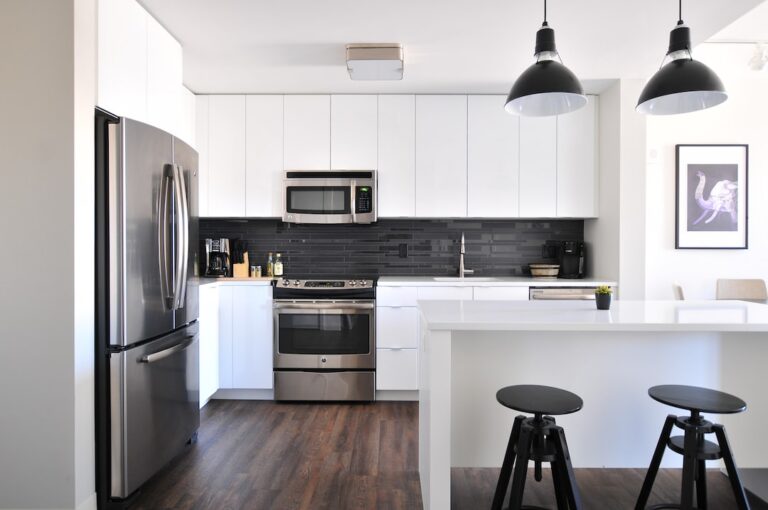
Before listing your home on the market, it is crucial to prepare it for sale. This involves decluttering and depersonalizing your space, making necessary repairs and upgrades, and enhancing curb appeal. Decluttering and depersonalizing your home will allow potential buyers to envision themselves living in the space. Remove personal items such as family photos and excessive decorations, and organize your belongings to create a clean and inviting atmosphere.
Making necessary repairs and upgrades is another important step in preparing your home for sale. Fix any issues such as leaky faucets, broken tiles, or faulty electrical outlets. Consider making upgrades that will add value to your home, such as updating outdated fixtures or appliances, repainting walls in neutral colors, or replacing worn-out flooring.
Enhancing curb appeal is essential in attracting potential buyers. First impressions matter, so make sure the exterior of your home is well-maintained and visually appealing. Trim bushes and trees, mow the lawn, plant flowers or add potted plants to create a welcoming entrance. Repaint the front door or replace it if necessary, and ensure that the exterior of your home is clean and free of any debris.
Choosing the Right Real Estate Agent: How to Find the Right Professional to Represent You
One of the most important decisions you will make when selling your home is choosing the right real estate agent to represent you. Research and interview potential agents to find someone who understands your needs and has experience in selling homes in your area. Ask for referrals from friends, family, or neighbors who have recently sold their homes.
When evaluating potential agents, consider their experience and track record. Look for agents who have a proven record of successfully selling homes in your area and have a good understanding of the local market. Ask for references and follow up with past clients to get a sense of their experience working with the agent.
Communication and rapport are also important factors to consider when choosing a real estate agent. You want someone who is responsive, keeps you informed throughout the process, and is easy to work with. Trust your instincts and choose an agent who you feel comfortable working with and who you believe will represent your best interests.
Setting the Right Price: How to Price Your Home to Sell Quickly and for the Right Price
Setting the right price for your home is crucial in attracting potential buyers and selling your property quickly. To determine the right price, it is important to understand market trends and comparable sales in your area. Research recent sales of similar homes in your neighborhood to get an idea of what buyers are willing to pay.
Avoid overpricing or underpricing your home. Overpricing can deter potential buyers and result in your home sitting on the market for an extended period of time. On the other hand, underpricing may attract multiple offers but could result in leaving money on the table. Work with your real estate agent to determine a competitive price that reflects the value of your home.
Be open to adjusting the price as needed. If your home has been on the market for a while without any offers, it may be necessary to lower the price to attract more buyers. Monitor market conditions and be willing to make adjustments if necessary to ensure a successful sale.
Marketing Your Home: How to Create an Effective Marketing Plan to Attract Potential Buyers
Once your home is prepared and priced correctly, it is time to market your property to attract potential buyers. Utilize online and offline marketing channels to reach a wide audience. Online marketing is essential in today’s digital age, so make sure to list your home on popular real estate websites and use social media platforms to showcase your property.
When marketing your home, highlight its unique features and benefits. Take high-quality photos that showcase the best aspects of your home and create a compelling listing description that highlights its key selling points. Consider creating a virtual tour or video walkthrough to give potential buyers a better sense of the layout and flow of your home.
Targeting the right audience is also important in marketing your home. Work with your real estate agent to identify the target market for your property and tailor your marketing efforts accordingly. For example, if your home is located in a family-friendly neighborhood, focus on marketing to families with children by highlighting nearby schools and parks.
Staging Your Home: Tips for Making Your Home Look Its Best for Showings and Open Houses
Staging your home can make a significant difference in attracting potential buyers and making a positive impression during showings and open houses. Create a neutral and inviting atmosphere by removing personal items and clutter, and arranging furniture in a way that maximizes space and functionality.
Highlight key selling points of your home during the staging process. If you have a beautiful fireplace, make sure it is clean and prominently displayed. If you have a spacious backyard, stage it with outdoor furniture or create an inviting outdoor living space. Use lighting strategically to create a warm and welcoming ambiance throughout your home.
Maximizing space and functionality is crucial in staging your home. Remove any unnecessary furniture or items that may make rooms feel cramped or cluttered. Rearrange furniture to create an open flow and highlight the potential uses of each room. Consider adding mirrors to create the illusion of more space.
Negotiating Offers: How to Handle Offers and Counter-Offers to Get the Best Deal Possible
Once you start receiving offers on your home, it is important to understand the terms and negotiate effectively to get the best deal possible. Take the time to review each offer carefully and consider factors such as the purchase price, financing terms, contingencies, and closing timeline.
Respond to offers in a timely and professional manner. If an offer is not acceptable, consider making a counter-offer that reflects your desired terms. Work with your real estate agent to negotiate for a win-win outcome that meets your needs as well as the buyer’s.
Keep in mind that negotiations may involve multiple rounds of counter-offers. Be patient and open to compromise, but also be prepared to walk away if the terms are not favorable or if you receive a better offer.
Closing the Sale: What to Expect During the Closing Process and How to Prepare for It
The closing process is the final step in selling your home. During this stage, you will review and sign documents, pay closing costs and fees, and transfer ownership and keys to the buyer. It is important to be prepared for this process and understand what to expect.
Review all documents carefully before signing them. Your real estate agent or attorney can help explain any confusing terms or clauses. Pay attention to details such as the purchase price, closing date, and any contingencies or conditions that need to be met before closing.
Closing costs and fees can vary depending on your location and specific circumstances. Work with your real estate agent or attorney to understand what costs you are responsible for and budget accordingly. Be prepared to provide any necessary documentation or information requested by the closing agent or lender.
Transferring ownership and keys typically occurs at the closing table. Once all documents have been signed and funds have been transferred, ownership of the property is officially transferred to the buyer. Provide any necessary keys or access codes to the buyer and ensure that the property is clean and ready for their move-in.
Dealing with Inspections and Appraisals: How to Navigate the Inspection and Appraisal Process
Inspections and appraisals are an important part of the home selling process. Buyers often request inspections to identify any potential issues or concerns with the property, while lenders require appraisals to determine the value of the home.
Prepare for inspections by addressing any known issues or concerns beforehand. Fix any necessary repairs and ensure that your home is in good condition. Be present during the inspection to answer any questions and provide any necessary documentation or maintenance records.
Appraisals are conducted by a professional appraiser hired by the lender. The appraiser will evaluate the condition of your home, compare it to similar properties in the area, and determine its value. Be prepared to provide access to your home and any necessary documentation or information requested by the appraiser.
If issues or concerns are identified during inspections or if the appraisal comes in lower than expected, be prepared to negotiate repairs or credits with the buyer. Work with your real estate agent to find a solution that satisfies both parties and keeps the deal on track.
Handling Contingencies: What to Do When Contingencies Arise During the Home Selling Process
Contingencies are conditions that must be met before a sale can be finalized. Common contingencies include financing contingencies, inspection contingencies, and appraisal contingencies. It is important to understand these contingencies and be prepared to address them if they arise.
Financing contingencies allow buyers to back out of a sale if they are unable to secure financing for the purchase. If a buyer’s financing falls through, you may need to put your home back on the market and find another buyer. Work with your real estate agent to ensure that potential buyers are pre-approved for financing before accepting an offer.
Inspection contingencies allow buyers to request repairs or credits based on the results of a home inspection. If issues are identified during the inspection, be prepared to negotiate repairs or credits with the buyer. Consider obtaining multiple quotes for repairs to ensure that you are getting a fair estimate of the costs involved.
Appraisal contingencies allow buyers to back out of a sale if the appraised value of the home is lower than the agreed-upon purchase price. If the appraisal comes in lower than expected, be prepared to negotiate with the buyer to find a solution that satisfies both parties.
Moving On: Tips for Moving Out and Starting a New Chapter After Selling Your Home
Once your home is sold, it is time to move on and start a new chapter. Planning and organizing the move can help reduce stress and ensure a smooth transition. Create a moving checklist and timeline to keep track of tasks and deadlines.
Saying goodbye to your home can be an emotional process. Take the time to reflect on your memories and say goodbye to each room before you leave. Consider taking photos or creating a scrapbook to preserve these memories.
Embrace new opportunities and experiences as you start a new chapter in your life. Selling your home opens up new possibilities, whether it’s moving to a new city, downsizing, or upgrading to a larger home. Embrace these opportunities and look forward to the future.
Conclusion
Selling a home can be a complex process, but with proper preparation and planning, it can also be a rewarding experience. By following these tips and strategies, you can maximize your home’s value, attract potential buyers, and navigate each stage of the home selling process successfully. Take action today and start preparing your home for sale – your next adventure awaits!