10 Expert House Staging Tips to Sell Your Home Faster
Introduction to House Staging: What it is and Why it Matters
House staging is the process of preparing a home for sale by strategically arranging furniture, decor, and other elements to showcase the property’s best features and create a welcoming atmosphere for potential buyers. The goal of staging is to make the home more appealing and memorable, ultimately increasing its chances of selling quickly and at a higher price.
In today’s competitive real estate market, where buyers have countless options to choose from, house staging has become an essential tool for sellers. It allows them to present their home in the best possible light, highlighting its unique selling points and helping buyers envision themselves living there. By creating an inviting and visually appealing space, staging can make a significant difference in attracting potential buyers and ultimately closing the deal.
Understanding Your Target Audience: How to Stage Your Home for Maximum Appeal
One of the key aspects of successful house staging is understanding your target audience. Different types of buyers have different preferences and priorities when it comes to purchasing a home. By identifying your target audience, you can tailor your staging efforts to appeal directly to their needs and desires.
To determine your target audience, consider factors such as the location of your home, its size, and its overall style. Are you targeting young professionals looking for a modern urban space? Or perhaps families in search of a spacious suburban home? Understanding who your potential buyers are will help you make informed decisions about how to stage your home.
Once you have identified your target audience, it’s time to tailor your staging efforts accordingly. For example, if you are targeting young professionals, you may want to create a sleek and contemporary look with clean lines and minimalist decor. On the other hand, if families are your target audience, you may want to focus on creating functional spaces that can accommodate children and provide a sense of warmth and comfort.
Decluttering and Depersonalizing: The First Step in Preparing Your Home for Sale
Before you can begin staging your home, it’s essential to declutter and depersonalize the space. This step is crucial because it allows potential buyers to envision themselves living in the home, rather than feeling like they are intruding on someone else’s personal space.
Decluttering involves removing any unnecessary items from your home, such as excess furniture, knick-knacks, and personal belongings. The goal is to create a clean and organized space that allows buyers to focus on the home’s features and potential. Consider renting a storage unit to temporarily store any items that you don’t need during the selling process.
Depersonalizing goes hand in hand with decluttering and involves removing personal photographs, memorabilia, and other items that reflect your personal taste and style. The idea is to create a neutral canvas that allows potential buyers to imagine themselves living in the space. By removing personal items, you also help protect your privacy during showings and open houses.
Maximizing Curb Appeal: Simple Tips for Making a Great First Impression
First impressions matter, especially when it comes to selling a home. Maximizing curb appeal is crucial because it sets the tone for potential buyers’ overall perception of your property. A well-maintained exterior can make a significant difference in attracting buyers and generating interest in your home.
Start by ensuring that your front yard is well-maintained and free of any clutter or debris. Trim overgrown bushes and trees, mow the lawn, and plant colorful flowers or plants to add visual interest. Consider repainting the front door or adding a fresh coat of paint to the exterior if needed.
Pay attention to small details such as replacing worn-out house numbers or mailbox, cleaning windows, and ensuring that outdoor lighting is in working order. These small improvements can make a big difference in creating a positive first impression.
Creating a Welcoming Atmosphere: How to Use Lighting and Color to Your Advantage
Creating a welcoming atmosphere is essential when staging your home. Lighting and color play a significant role in setting the mood and creating the desired ambiance.
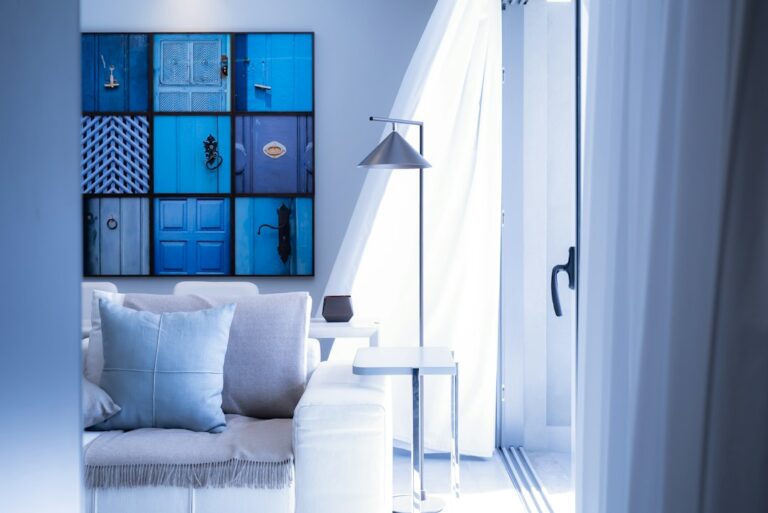
Proper lighting can make a space feel warm and inviting. Make sure to maximize natural light by opening curtains or blinds and removing any obstacles that may block windows. Additionally, consider adding ambient lighting, such as table lamps or floor lamps, to create a cozy atmosphere.
Color also plays a crucial role in staging. Neutral colors are generally the safest choice as they appeal to a wide range of buyers and create a sense of calm and tranquility. Consider painting walls in neutral tones such as beige, gray, or off-white. You can add pops of color through accessories such as throw pillows, artwork, or rugs.
Furniture Placement: Tips for Making Your Rooms Look Bigger and More Inviting
The way furniture is arranged in a room can significantly impact its perceived size and functionality. Proper furniture placement is essential when staging your home to make rooms look bigger and more inviting.
Start by removing any excess furniture that may make the space feel cramped or cluttered. Consider rearranging the remaining furniture to create an open and flowing layout. Avoid blocking natural pathways or obstructing views of key features such as windows or fireplaces.
Strategically placing furniture can also help define different areas within a room. For example, you can use a rug and a couple of chairs to create a cozy reading nook in the corner of a living room. This helps potential buyers visualize how they could use the space and adds visual interest to the room.
Accessorizing and Decorating: Adding the Finishing Touches to Your Staged Home
Once you have decluttered, depersonalized, and arranged furniture, it’s time to add the finishing touches to your staged home through accessorizing and decorating. This step helps create a cohesive and visually appealing space that potential buyers will remember.
Start by adding accessories such as throw pillows, blankets, and artwork to create visual interest and add pops of color. Consider using accessories to highlight the home’s best features, such as placing a statement piece of artwork above a fireplace or adding a decorative mirror to reflect natural light and make a room feel larger.
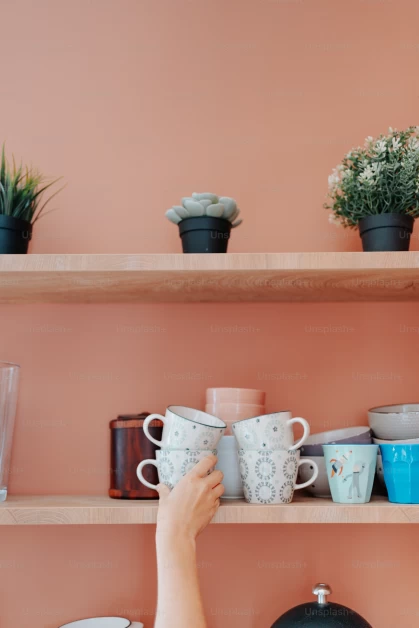
When decorating, keep in mind the overall style and target audience of your home. Choose decor items that complement the space and create a cohesive look. Avoid overcrowding surfaces with too many accessories, as this can make the space feel cluttered. Instead, opt for a few carefully chosen pieces that enhance the overall aesthetic.
Making Necessary Repairs and Upgrades: How to Prioritize and Budget for Improvements
Before putting your home on the market, it’s essential to address any necessary repairs or upgrades. This step is crucial because potential buyers will be looking for a move-in ready home and may be deterred by visible issues or outdated features.
Start by conducting a thorough inspection of your home to identify any repairs that need to be addressed. This may include fixing leaky faucets, repairing cracked tiles, or replacing outdated fixtures. Focus on repairs that are visible and can significantly impact a buyer’s perception of the home.
When it comes to upgrades, it’s important to prioritize based on your budget and potential return on investment. Consider focusing on areas that are known to have a high impact on buyers, such as kitchens and bathrooms. Upgrading countertops, cabinets, or appliances can make a significant difference in attracting potential buyers.
Staging for Showings and Open Houses: Tips for Preparing Your Home for Visitors
Staging for showings and open houses requires careful planning and attention to detail. The goal is to create an inviting and memorable experience for potential buyers while allowing them to envision themselves living in the space.
Start by thoroughly cleaning your home before each showing or open house. Pay attention to small details such as dusting, vacuuming, and ensuring that all surfaces are clean and free of clutter. Consider hiring a professional cleaning service to ensure that your home is in its best possible condition.
During showings and open houses, create a welcoming atmosphere by adding fresh flowers or plants, playing soft background music, and ensuring that the temperature is comfortable. Consider providing refreshments such as water or light snacks to make potential buyers feel at ease.
Final Tips for Success: How to Stay Organized and Stay Focused on Your Goal
Staging a home can be a time-consuming and overwhelming process, but staying organized and focused can help ensure success. Here are some final tips to help you stay on track:
– Create a staging checklist: Make a list of all the tasks that need to be completed and prioritize them based on their importance. This will help you stay organized and ensure that nothing is overlooked.
– Set a timeline: Determine how much time you have before putting your home on the market and create a timeline for completing each task. This will help you stay focused and avoid last-minute stress.
– Seek professional help if needed: If you feel overwhelmed or unsure about how to stage your home effectively, consider hiring a professional stager. They have the expertise and experience to create a visually appealing space that will attract potential buyers.
– Stay flexible: Be open to feedback from real estate agents or potential buyers and be willing to make adjustments if necessary. Remember that the goal is to create a space that appeals to a wide range of buyers.
– Stay positive: Selling a home can be a stressful process, but staying positive and focused on your goal will help you navigate any challenges that may arise. Remember that staging your home increases its chances of selling quickly and at a higher price, making all your efforts worthwhile.
In conclusion, house staging is a crucial step in selling a home. By understanding your target audience, decluttering and depersonalizing, maximizing curb appeal, creating a welcoming atmosphere, strategically placing furniture, accessorizing and decorating, making necessary repairs and upgrades, staging for showings and open houses, and staying organized and focused, you can significantly increase your chances of selling your home quickly and at a higher price. Remember that first impressions matter, and by presenting your home in the best possible light, you can attract potential buyers and make a lasting impression.