Top Strategies for Successfully Selling Your Home: Expert Tips and Tricks
Introduction
Selling a home can be a complex and overwhelming process. From preparing your home for sale to handling negotiations and closing the sale, there are many steps involved in ensuring a successful transaction. Each step in the process is important and plays a crucial role in attracting potential buyers and getting the best possible price for your home. In this article, we will explore each step in detail and provide tips and strategies from real estate experts to help you navigate the home selling process with ease.
Preparing Your Home for Sale: Tips from Real Estate Experts
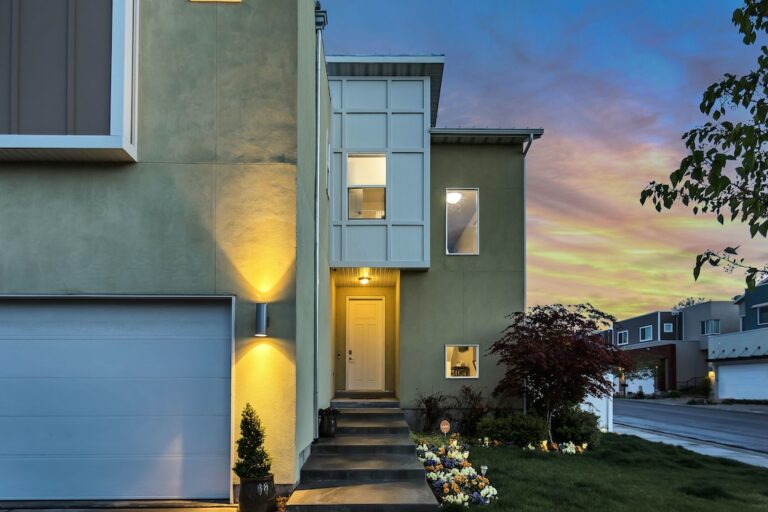
Making a good first impression is essential when selling your home. Potential buyers form an opinion within seconds of entering your property, so it’s important to create a welcoming and appealing atmosphere. One of the first steps in preparing your home for sale is decluttering and depersonalizing. Remove any personal items such as family photos or memorabilia, as this allows potential buyers to envision themselves living in the space. Additionally, decluttering helps to create a sense of spaciousness and allows buyers to focus on the features of the home.
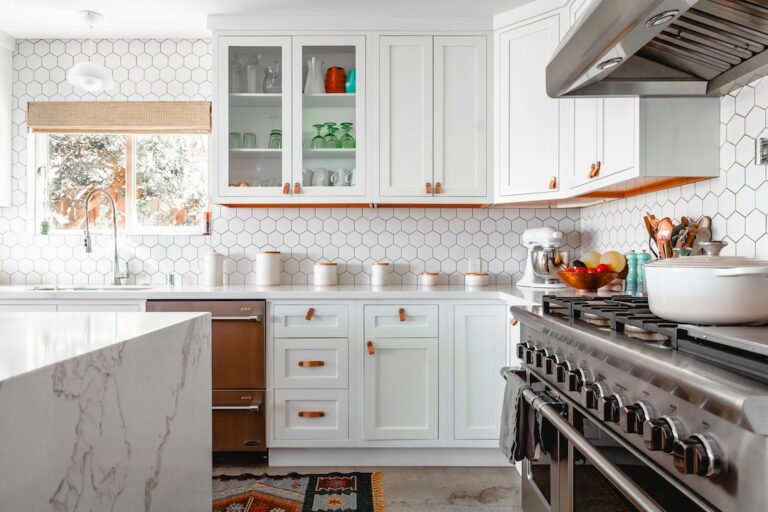
In addition to decluttering, it’s important to make any necessary repairs and upgrades before listing your home. This includes fixing any leaky faucets, repairing broken tiles, or replacing outdated fixtures. These small improvements can make a big difference in the overall appeal of your home and can help you attract more potential buyers.
Pricing Your Home Right: Finding the Sweet Spot
Pricing your home correctly is crucial in attracting potential buyers and getting the best possible price for your property. There are several factors that can affect the value of your home, including location, size, condition, and recent sales in your area. Researching comparable home sales in your area is an important step in determining the right price for your home. Look at homes that are similar in size, condition, and location to get an idea of what buyers are willing to pay.
It’s important to avoid the dangers of overpricing or underpricing your home. Overpricing can deter potential buyers and result in your home sitting on the market for an extended period of time. On the other hand, underpricing can lead to a quick sale but may result in leaving money on the table. Working with a real estate agent who has experience in your local market can help you determine the right price for your home and ensure a successful sale.
Marketing Your Home: How to Get the Word Out
Once your home is prepared and priced correctly, it’s time to market your property to potential buyers. One of the most important aspects of marketing is professional photography. High-quality photos can make a significant difference in attracting potential buyers and generating interest in your home. Online listings are also crucial in today’s digital age. Make sure your real estate agent lists your home on popular real estate websites and includes detailed descriptions and photos.
In addition to online listings, there are other marketing strategies you can consider to increase exposure for your home. Open houses can attract potential buyers and allow them to see the property in person. You can also consider hosting virtual tours or creating a video walkthrough of your home to showcase its features. Working closely with your real estate agent is essential in marketing your home effectively. They will have access to a network of potential buyers and can help you create a marketing plan tailored to your specific property.
Staging Your Home: Tricks to Make Your Home Look Its Best
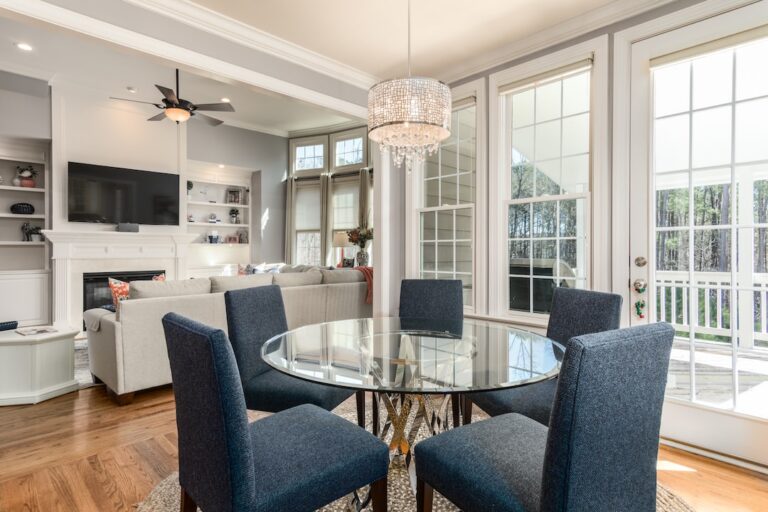
Staging your home is another important step in the home selling process. Staging involves arranging furniture, decor, and accessories in a way that highlights the best features of your home and creates an inviting atmosphere for potential buyers. The benefits of staging are numerous – staged homes tend to sell faster and for a higher price compared to homes that are not staged.
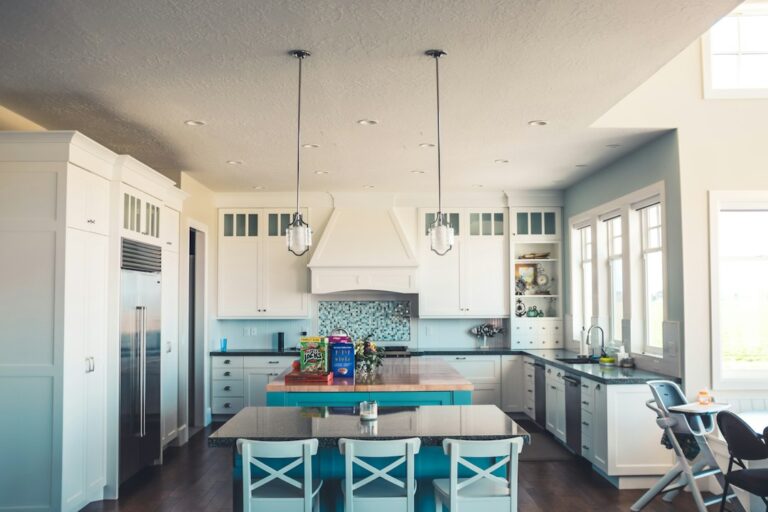
When staging each room in your home, it’s important to create a neutral and welcoming environment. Remove any personal items and clutter, and consider adding fresh flowers or plants to add a touch of color and life to the space. Pay attention to lighting and make sure each room is well-lit and inviting. If you’re not confident in your staging abilities, you can consider hiring a professional stager who can help you create a cohesive and appealing look for your home.
Working with a Real Estate Agent: How to Choose the Right One
Working with a real estate agent can make the home selling process much smoother and less stressful. A good agent will have experience in your local market, access to a network of potential buyers, and the knowledge and expertise to guide you through each step of the process. When choosing an agent, it’s important to find someone who is a good fit for you and your specific needs.
Start by asking for recommendations from friends, family, or neighbors who have recently sold their homes. Interview multiple agents and ask questions about their experience, marketing strategies, and track record of success. It’s also important to choose an agent who communicates well and is responsive to your needs. Selling a home is a significant financial transaction, so it’s important to choose an agent who you trust and feel comfortable working with.
Handling Negotiations: Tips for a Successful Sale
Negotiating the sale of your home can be one of the most challenging aspects of the home selling process. It’s important to understand the negotiation process and what to expect. Your real estate agent will play a crucial role in negotiating on your behalf and ensuring that your interests are protected.
When making an offer or counteroffer, it’s important to be prepared and have a clear understanding of your goals and priorities. Consider factors such as price, closing date, and contingencies when evaluating offers. Your agent can provide guidance and advice on how to negotiate effectively and get the best possible outcome.
Dealing with Home Inspections: How to Prepare and Respond
Home inspections are a standard part of the home selling process and are designed to identify any potential issues or defects with the property. It’s important to prepare your home for an inspection by ensuring that it is clean and well-maintained. Make sure all utilities are turned on and accessible, and clear any clutter or obstructions that may hinder the inspection process.
If the inspection reveals any issues, it’s important to respond in a timely and professional manner. Your real estate agent can help you navigate this process and negotiate any necessary repairs or concessions with the buyer. It’s important to keep in mind that inspections are a normal part of the process and should not be seen as a personal attack on your home.
Closing the Sale: What to Expect and How to Prepare
The closing process is the final step in selling your home and involves signing all necessary documents and transferring ownership to the buyer. It’s important to understand what to expect during this process and be prepared.
Before closing day, make sure you have all necessary documents in order, including the title deed, mortgage payoff information, and any other relevant paperwork. Review all documents carefully and ask questions if anything is unclear. It’s also important to be prepared for closing costs, which can include fees for title insurance, attorney fees, and transfer taxes.
Handling Multiple Offers: Strategies for Choosing the Best One
In a competitive market, it’s possible to receive multiple offers on your home. This can be an exciting but also overwhelming situation. When evaluating multiple offers, it’s important to consider factors such as price, financing terms, contingencies, and closing date. Your real estate agent can help you evaluate each offer and guide you through the negotiation process.
It’s important to keep in mind that the highest offer may not always be the best offer. Consider factors such as the buyer’s financing and their ability to close the deal. Your agent can help you navigate this process and negotiate with multiple buyers to get the best possible outcome.
Post-Sale Considerations: What to Do After Your Home is Sold
After your home is sold, there are several post-sale considerations to keep in mind. One of the first things you’ll need to do is handle the moving process. This includes packing up your belongings, hiring a moving company, and transferring utilities to your new home. It’s important to plan ahead and give yourself enough time to complete these tasks.
Once the sale is finalized, you’ll also need to decide what to do with the proceeds from the sale. This may include paying off any remaining mortgage balance, covering closing costs, or putting the money towards a down payment on a new home. Consult with a financial advisor to determine the best course of action for your specific situation.
Conclusion
Selling a home can be a complex and challenging process, but with the right preparation and guidance, it can also be a rewarding experience. Each step in the process is important and plays a crucial role in ensuring a successful sale. By following the tips and strategies outlined in this article, you can navigate the home selling process with confidence and achieve your goals. Remember to work closely with your real estate agent, who will provide guidance and support throughout the entire process. With careful planning and preparation, you can sell your home quickly and for the best possible price.