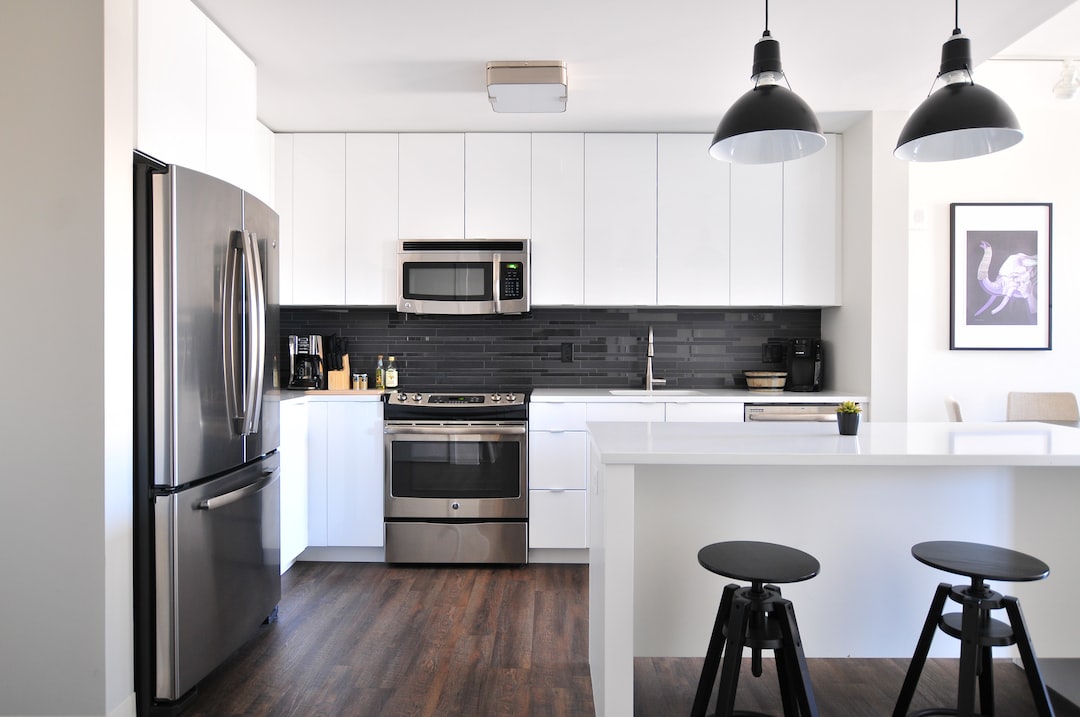
Transform Your Space: A Guide on How to Stage Your Home for a Successful Sale
Introduction: The Importance of Staging Your Home for Sale
When it comes to selling your home, first impressions matter. That’s why staging your home is an essential step in the selling process. Home staging involves arranging and decorating your home in a way that appeals to potential buyers and showcases its best features. By creating an inviting and visually appealing space, you can help potential buyers envision themselves living in the home, increasing the likelihood of a sale.
One of the main benefits of staging a home for sale is that it helps potential buyers see the full potential of the space. When a home is cluttered or poorly decorated, it can be difficult for buyers to imagine themselves living there. By decluttering and organizing your space, you can create a clean and inviting environment that allows buyers to envision their own belongings in the home. Staging also helps highlight the best features of your home, such as architectural details or unique design elements, which can make it more appealing to potential buyers.
Decluttering Your Space: Tips and Tricks to Simplify Your Home
Before you begin staging your home, it’s important to declutter and simplify your space. Clutter can make a room feel smaller and less inviting, which can turn off potential buyers. Start by going through each room and getting rid of any items that are no longer needed or used. This includes things like old furniture, clothes, and knick-knacks. Consider donating or selling these items to free up space in your home.
Once you’ve decluttered, it’s important to organize your remaining belongings. Invest in storage solutions such as bins, baskets, and shelves to keep things neat and tidy. Make sure everything has a designated place and is put away when not in use. This will not only make your home look more organized but will also make it easier for potential buyers to see the full potential of each room.
Creating a Neutral Palette: How to Choose the Right Colors for Your Home’s Interior
When it comes to staging your home, it’s important to create a neutral palette that appeals to a wide range of potential buyers. Neutral colors such as whites, grays, and beiges create a clean and fresh look that allows buyers to envision their own style in the space. Avoid bold or bright colors that may be off-putting to some buyers.
When choosing colors for your home’s interior, consider the overall style and architecture of the home. For example, if you have a modern or contemporary home, you may want to stick with cool grays and whites. If you have a more traditional or rustic home, warmer beiges and creams may be more appropriate. It’s also important to consider the natural light in each room. Darker colors can make a room feel smaller and less inviting, so opt for lighter shades in rooms with limited natural light.
Lighting: How to Use Light to Make Your Home Look Brighter and More Inviting
Lighting plays a crucial role in home staging as it can make your home look brighter and more inviting. Start by maximizing natural light in each room by opening curtains or blinds and removing any obstacles that may be blocking windows. Natural light not only makes a space feel larger but also enhances the overall ambiance of the room.
In rooms with limited natural light, it’s important to add artificial lighting to create a warm and inviting atmosphere. Invest in high-quality light fixtures such as pendant lights or chandeliers to add both style and functionality to your space. Use a combination of ambient, task, and accent lighting to create layers of light that can be adjusted based on the needs of each room.
Furniture Placement: Maximizing Space and Highlighting Key Features
The way you arrange your furniture can make a big impact on the look and feel of your home. Start by removing any unnecessary furniture to create a more open and spacious environment. This will not only make your home look larger but will also allow potential buyers to move around more freely.
When arranging your furniture, consider the flow of each room and highlight its key features. For example, if you have a fireplace, arrange your furniture to showcase it as the focal point of the room. If you have a beautiful view, position your furniture to take advantage of it. It’s also important to create conversation areas that are inviting and comfortable. Arrange your furniture in a way that encourages conversation and interaction.
Accessorizing: Adding the Finishing Touches to Your Home’s Decor
Accessories are the finishing touches that can enhance your home’s decor and make it more appealing to potential buyers. Start by choosing accessories that complement the overall style and color palette of your home. This includes things like throw pillows, rugs, artwork, and decorative accents.
When accessorizing, it’s important to strike a balance between too much and too little. Avoid cluttering surfaces with too many accessories, as this can make a room feel crowded and overwhelming. Instead, choose a few key pieces that add visual interest and enhance the overall aesthetic of the space. For example, a well-placed piece of artwork or a decorative vase can add a pop of color and personality to a room.
Curb Appeal: How to Make a Great First Impression with Your Home’s Exterior
Curb appeal is crucial when it comes to selling your home. The exterior of your home is the first thing potential buyers see, so it’s important to make a great first impression. Start by cleaning up your yard and removing any debris or clutter. Trim overgrown bushes or trees and mow the lawn regularly to keep it looking neat and well-maintained.
Consider adding some fresh flowers or plants to add color and visual interest to your front yard. Paint or stain your front door to make it stand out and create a welcoming entrance. Make sure your house numbers are clearly visible and in good condition. Finally, don’t forget about the little details such as outdoor lighting and a clean and well-maintained driveway or walkway.
Maintenance and Repairs: Addressing Issues to Ensure Your Home is in Top Condition
Before listing your home for sale, it’s important to address any maintenance or repair issues. Potential buyers want to know that they are purchasing a home that is in good condition and won’t require a lot of work or money to fix. Start by conducting a thorough inspection of your home and identifying any issues that need to be addressed.
Common maintenance and repair issues include things like leaky faucets, cracked tiles, peeling paint, or faulty electrical outlets. It’s important to fix these issues before listing your home to ensure it is in top condition. Not only will this make your home more appealing to potential buyers, but it can also help you avoid any last-minute negotiations or delays during the selling process.
Photography and Virtual Tours: How to Showcase Your Home’s Best Features Online
In today’s digital age, high-quality photography and virtual tours are essential for marketing your home. Potential buyers often start their search online, so it’s important to showcase your home’s best features through professional photos and virtual tours. Consider hiring a professional photographer who specializes in real estate photography to capture the best angles and lighting of each room.
When taking photos, make sure each room is clean and decluttered. Remove personal items such as family photos or personal memorabilia to create a more neutral and inviting space. Use natural light whenever possible and avoid using flash, as this can create harsh shadows and distort colors. Virtual tours are also a great way to give potential buyers a sense of the flow and layout of your home. Consider using 3D technology or video tours to create an immersive experience for potential buyers.
Final Touches: Preparing Your Home for Showings and Open Houses
Once your home is staged and ready to go, it’s important to prepare it for showings and open houses. Start by thoroughly cleaning your home from top to bottom, paying attention to every detail. This includes things like dusting, vacuuming, and mopping floors, cleaning windows and mirrors, and scrubbing bathrooms and kitchens.
Remove any personal items such as toiletries or family photos to create a more neutral and inviting space. Make sure each room is well-lit and smells fresh. Consider adding some fresh flowers or lighting scented candles to create a pleasant aroma. Finally, make sure your home is easily accessible for potential buyers by clearing walkways and driveways of any obstacles.
Conclusion:
In conclusion, staging your home is an essential step in the selling process. By creating an inviting and visually appealing space, you can help potential buyers envision themselves living in the home, increasing the likelihood of a sale. From decluttering and organizing your space to creating a neutral palette and maximizing lighting, there are many tips and tricks you can use to stage your home effectively. By following these guidelines and making the necessary repairs and improvements, you can make a great first impression on potential buyers and increase your chances of selling your home quickly and at a higher price. So don’t underestimate the power of staging – it can make all the difference when it comes to selling your home.