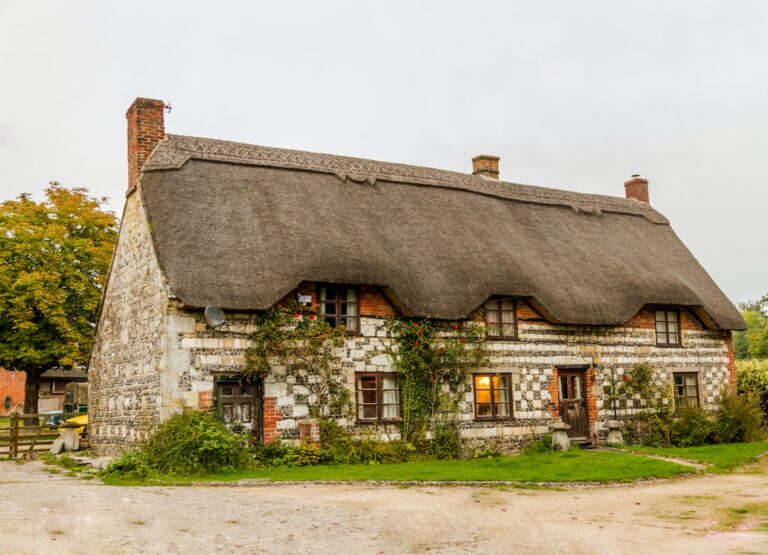
Score Your Dream Home on a Budget: Discover the Best Cheap Houses for Sale
Introduction: The Challenge of Finding Your Dream Home on a Budget
The dream of owning a home is something that many people aspire to, but often find themselves hindered by budget constraints. The rising costs of real estate can make it seem impossible to find a home that fits both your dreams and your budget. However, with the right strategy and mindset, it is possible to find your dream home on a budget.
Tips for Searching for Cheap Houses for Sale: Where to Look and What to Look For
When searching for cheap houses for sale, it’s important to know where to look and what to look for. One of the best places to start your search is online real estate listings. Websites like Zillow and Realtor.com allow you to search for homes in your desired area and filter the results by price range. This can help you narrow down your options and find homes that fit within your budget.
In addition to online listings, it’s also worth checking out local classifieds. Many homeowners choose to list their homes for sale in local newspapers or on community bulletin boards. These listings may not be as comprehensive as online listings, but they can often lead to hidden gems that you wouldn’t find otherwise.
Another strategy is to simply drive around neighborhoods that you’re interested in. Look for “For Sale” signs and take note of any homes that catch your eye. This can be a great way to find homes that may not be listed online or in classifieds.
Lastly, consider looking for homes that need some TLC. These homes are often priced lower than move-in ready homes, but with some renovations and updates, they can become your dream home. Look for homes that have good bones and just need cosmetic updates like paint, flooring, or kitchen and bathroom renovations.
Understanding the Market: How to Identify the Best Deals and Opportunities
To find the best deals and opportunities in the real estate market, it’s important to do your research. Start by researching the local real estate market. Look at recent sales data to get an idea of what homes are selling for in your desired area. This will give you a baseline for what you can expect to pay for a home.
Next, look for homes that have been on the market for a long time. These homes may be priced lower than comparable homes because they haven’t generated much interest from buyers. This could be due to factors like location, condition, or price. By considering these homes, you may be able to negotiate a lower purchase price.
Lastly, consider homes that need some work. These homes are often priced lower than move-in ready homes because they require renovations or updates. However, with some time and effort, these homes can become your dream home. Look for homes that have good bones and just need cosmetic updates. This will allow you to add value to the home while staying within your budget.
The Pros and Cons of Buying a Fixer-Upper: Is it Worth the Investment?
Buying a fixer-upper can be a great way to find your dream home on a budget, but it’s important to weigh the pros and cons before making a decision.
One of the biggest pros of buying a fixer-upper is the lower purchase price. These homes are often priced lower than move-in ready homes because they require renovations or updates. This can allow you to get more house for your money and stay within your budget.
Another potential benefit of buying a fixer-upper is the potential for increased value. By investing in renovations and updates, you can add value to the home and potentially sell it for a higher price in the future. This can be a great way to build equity and increase your net worth.
Additionally, buying a fixer-upper gives you the opportunity to customize the home to your liking. You can choose paint colors, flooring materials, and fixtures that fit your personal style and preferences. This can make the home feel truly like your own.
However, there are also some cons to buying a fixer-upper. One of the biggest cons is the potential for unexpected expenses. When renovating a home, it’s not uncommon to uncover hidden issues that need to be addressed. This can lead to additional costs and delays in the renovation process.
Another potential downside is that renovating a home can be time-consuming. Depending on the extent of the renovations, it could take months or even years to complete the project. This can be a challenge if you’re looking to move into your dream home quickly.
Overall, buying a fixer-upper can be a great option for those looking to find their dream home on a budget, but it’s important to carefully consider the pros and cons before making a decision.
Auctions and Foreclosures: How to Score a Bargain Property
If you’re looking for a bargain property, auctions and foreclosures can be a great option. These properties are often priced lower than market value, allowing you to get more house for your money.
One way to score a bargain property is to attend local auctions. Many cities hold regular auctions where foreclosed properties are sold to the highest bidder. These auctions can be competitive, so it’s important to come prepared with a budget and a maximum bid in mind. It’s also important to thoroughly research the property before bidding to ensure that you’re getting a good deal.
Another way to find bargain properties is to research foreclosure listings. Many banks and lending institutions have websites where they list their foreclosed properties for sale. These listings often include detailed information about the property, including photos, descriptions, and asking prices. By regularly checking these listings, you can stay up-to-date on new properties that become available.
When considering auction or foreclosure properties, it’s important to be prepared to act quickly. These properties often sell quickly, so it’s important to have your financing in order and be ready to make an offer as soon as you find a property that meets your criteria.
Negotiating the Price: How to Get the Best Deal on Your Dream Home
Negotiating the price is an important part of the home buying process, especially when you’re looking for a bargain property. Here are some tips to help you get the best deal on your dream home.
First, research comparable home prices in the area. This will give you an idea of what similar homes are selling for and help you determine a fair offer price. By coming prepared with this information, you can negotiate from a position of knowledge and increase your chances of getting a good deal.
Next, be willing to walk away if the seller isn’t willing to negotiate. Sometimes, sellers have unrealistic expectations about the value of their home and aren’t willing to budge on the price. If this is the case, it’s important to be willing to walk away and continue your search elsewhere. There are always other properties available, and it’s better to wait for the right deal than to overpay for a property.
Lastly, consider making a cash offer if possible. Cash offers are often more attractive to sellers because they eliminate the need for financing and can lead to a quicker closing process. If you’re able to make a cash offer, it can give you an advantage in negotiations and increase your chances of getting a good deal.
Financing Your Purchase: Options for Affording a Cheap House
When it comes to financing your purchase, there are several options available for affording a cheap house.
One option is an FHA loan. FHA loans are backed by the Federal Housing Administration and are designed to help low-income individuals and families afford homeownership. These loans often require a lower down payment and have more flexible credit requirements than traditional mortgages.
Another option is a USDA loan. USDA loans are backed by the U.S. Department of Agriculture and are designed to help low-income individuals and families in rural areas afford homeownership. These loans often require no down payment and have low interest rates.
If you’re a veteran or active-duty military member, you may be eligible for a VA loan. VA loans are backed by the U.S. Department of Veterans Affairs and are designed to help veterans and military members afford homeownership. These loans often require no down payment and have low interest rates.
If you’re unable to qualify for a traditional mortgage or government-backed loan, you may want to consider private lenders. Private lenders are individuals or companies that provide financing for real estate purchases. These lenders often have more flexible requirements than traditional lenders and can be a good option for those with less-than-perfect credit.
Red Flags to Watch Out For: How to Avoid Buying a Money Pit
When searching for a cheap house, it’s important to watch out for red flags that could indicate potential issues with the property. Here are some red flags to watch out for:
Foundation issues: Cracks in the foundation or uneven floors can be signs of foundation problems. These issues can be expensive to fix and may indicate larger structural issues with the home.
Water damage: Water stains on walls or ceilings can be signs of water damage. This could indicate leaks in the plumbing or roof, which can lead to mold and other issues if not addressed.
Mold: Mold can be a serious health hazard and can be expensive to remediate. Look for signs of mold, such as a musty smell or visible growth, especially in areas like bathrooms or basements.
Electrical problems: Outdated or faulty electrical systems can be a safety hazard and may require expensive repairs or upgrades. Look for signs of electrical issues, such as flickering lights or outlets that don’t work.
If you come across any of these red flags during your search, it’s important to carefully consider whether the property is worth the potential risks and expenses. In some cases, it may be best to walk away and continue your search elsewhere.
DIY Renovations: How to Transform a Cheap House into Your Dream Home
Once you’ve purchased your cheap house, it’s time to start transforming it into your dream home. Here are some DIY renovations that can help you achieve this:
Paint: One of the easiest and most cost-effective ways to update a home is with a fresh coat of paint. Choose colors that fit your personal style and preferences and give each room a fresh, new look.
Flooring: If the existing flooring in your home is outdated or worn, consider replacing it with new flooring. Options like laminate or vinyl plank flooring can be affordable and easy to install yourself.
Kitchen and bathroom updates: Kitchens and bathrooms are often the most important rooms for buyers, so updating these spaces can have a big impact on the value and appeal of your home. Consider replacing outdated fixtures, countertops, and cabinets to give these rooms a fresh, modern look.
Landscaping: Don’t forget about the exterior of your home! Curb appeal is important when selling a home, but it can also make a big difference in how you feel about your home. Consider adding some landscaping elements like flowers, shrubs, or a new front door to enhance the overall look of your property.
By tackling these DIY renovations, you can transform your cheap house into your dream home without breaking the bank.
Conclusion: Finding Your Dream Home on a Budget is Possible with the Right Strategy and Mindset
In conclusion, finding your dream home on a budget is possible with the right strategy and mindset. By utilizing online real estate listings, local classifieds, and driving around neighborhoods, you can find cheap houses for sale that fit within your budget. Understanding the market and looking for homes that have been on the market for a long time or need some work can help you identify the best deals and opportunities.
Buying a fixer-upper can be a great way to find your dream home on a budget, but it’s important to carefully consider the pros and cons before making a decision. Auctions and foreclosures can also be a great way to score a bargain property, but it’s important to be prepared to act quickly. Negotiating the price and considering different financing options can help you get the best deal on your dream home.
Lastly, it’s important to watch out for red flags that could indicate potential issues with the property and to consider DIY renovations to transform your cheap house into your dream home. With the right approach, it is possible to find a home that fits your budget and your dreams.