Australian Property Market Post-Pandemic Rebound in Immigration Exacerbates Housing Shortage
Table of Contents
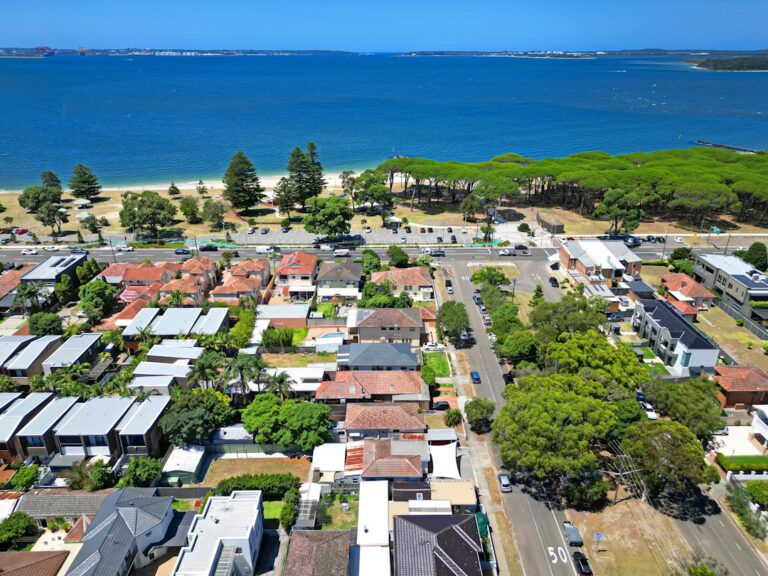
The Australian property market is facing a significant challenge as the post-pandemic rebound in immigration worsens the existing housing shortage. The government’s budget forecast predicts a staggering 1.24 million arrivals over the next four years, further exacerbating the demand-supply gap in the housing sector. This surge in immigration has overshadowed the impact of higher interest rates and poor housing affordability, leading to a rebound in property prices this year. However, experts remain skeptical about the sustainability of this price surge.
Housing Affordability and Interest Rates
Despite the Reserve Bank raising the cash rate 12 times since last year to 4.1 per cent, the strong demand and constrained housing supply have overshadowed the impact of higher interest rates on property prices. Additionally, housing affordability in Australia is at record lows, and households in the country are among the most indebted worldwide. These factors have contributed to the soaring property prices, making it increasingly difficult for people to afford homes.
Uncertain Outlook for Property Prices
Bob Cunneen, the chief economist at MLC, doubts the longevity of this year’s rebound in property prices. He believes that a more moderate pace of immigration next year, coupled with the lingering impact of higher mortgage rates, will weigh against house prices. Migration is expected to return to normal patterns from 2024-25, which could help alleviate the pressure on the housing market.
A quarterly survey conducted by The Australian Financial Review reveals that half of the 42 economists polled expect at least one more rate rise, suggesting a possible increase in interest rates. Financial markets also indicate a one-in-two chance of another rate increase. These rate hikes, combined with a potential increase in housing supply, could dampen property prices in the future.
Modest Downswing in Property Prices Anticipated
While some experts anticipate a dip in property prices as more stock enters the market, they expect this downswing to be relatively modest compared to previous cycles. Sean Langcake, the head of macroeconomic forecasting at Oxford Economic Australia, predicts a slight decrease in property prices but believes it will be a modest downturn.
Carlos Cacho, Jarden’s chief economist, highlights two key risks for the housing market: higher rates for a longer period and a significant increase in housing supply. He estimates that households have experienced a 30 per cent reduction in borrowing capacity, primarily due to the worst affordability on record. Many borrowers are hopeful that the Reserve Bank of Australia (RBA) will start cutting rates soon, providing some relief to homeowners.
Softening Housing Market and Distressed Sales
Goldman Sachs expects the housing market to “materially soften” due to additional tightening by the RBA. Andrew Boak, the bank’s chief economist in Australia, forecasts one more rate increase in November to address sticky inflation. AMP chief economist Shane Oliver also anticipates a slip in property prices as an increase in unemployment leads to distressed sales. He warns that a further rate hike and a delay in rate cuts next year would add to this risk.
Mixed Views on Property Market Outlook
While some economists, like Su-Lin Ong from RBC Capital Markets, are less bearish, they caution that the property market rally of the past six months may not be repeated in the next six months. Ong suggests a subdued housing outlook. Similarly, David Bassanese of Betashares believes that property prices are likely to level out rather than fall significantly. He attributes this year’s rally to the fear of missing out on investment opportunities, with investors buying the dip in anticipation of the end of the RBA’s tightening cycle.
David Robertson at Bendigo predicts that house prices will experience a much more modest growth compared to the previous decade. He believes that core inflation will remain high, impacting the property market’s performance.
In conclusion, the Australian property market is currently grappling with a housing shortage exacerbated by the post-pandemic rebound in immigration. Despite higher interest rates and poor housing affordability, the demand for housing has overwhelmed these factors, leading to a rebound in property prices. However, experts remain cautious about the sustainability of this price surge. They anticipate a potential downturn in property prices due to a more moderate pace of immigration, higher mortgage rates, and a potential increase in housing supply. Nevertheless, the extent of this downturn is expected to be relatively modest compared to previous cycles. The future of the Australian property market remains uncertain, with mixed views on the outlook for property prices.