
Photography That Sells: How to Make Your Listing Stand Out Online
In the digital age, where consumers are inundated with choices, the significance of high-quality photography in online listings cannot be overstated. We live in a world where first impressions are often formed within seconds, and the visual appeal of a product can make or break a sale. When we browse through online marketplaces, it is the striking images that capture our attention and entice us to learn more.
High-quality photography not only showcases the product effectively but also conveys professionalism and trustworthiness. It serves as a visual representation of the brand, reflecting its values and quality standards. Moreover, we must recognize that high-quality images can significantly impact conversion rates.
Research has shown that listings with professional photographs tend to attract more clicks and ultimately lead to higher sales. When we invest in quality photography, we are not just enhancing the aesthetic appeal of our listings; we are also increasing the likelihood of engaging potential customers. In a competitive online marketplace, where countless products vie for attention, high-quality photography becomes a crucial differentiator that can elevate our offerings above the rest.
Key Takeaways
- High-quality photography is crucial for online listings as it can significantly impact a buyer’s decision.
- To capture attention-grabbing images, use props, interesting angles, and vibrant colors to make your product stand out.
- Utilize natural lighting and proper composition to highlight the best features of your product and create an appealing visual.
- Enhance your photos through editing techniques such as adjusting brightness, contrast, and color balance to make them more visually appealing.
- Showcase the details and unique features of your product to give potential buyers a comprehensive view of what you’re offering.
Tips for Capturing Attention-Grabbing Images
Capturing attention-grabbing images requires a blend of creativity, technique, and an understanding of our audience’s preferences. One of the first steps we can take is to ensure that our products are presented in the best possible light—literally and figuratively. We should consider using a tripod to stabilize our camera and avoid any blurriness, which can detract from the overall quality of the image.
Additionally, experimenting with different angles can provide unique perspectives that highlight the product’s features and benefits. By showcasing our items from various viewpoints, we can create a more dynamic visual narrative that draws viewers in. Another essential tip is to pay attention to the background and setting of our photographs.
A cluttered or distracting background can take away from the product itself, so we should aim for clean, simple backdrops that allow our items to shine. Using props or complementary elements can enhance the story we want to tell about our products, but we must ensure they do not overshadow the main focus. By thoughtfully curating our images, we can create a cohesive look that resonates with potential buyers and encourages them to explore further.
Utilizing Lighting and Composition to Highlight Your Product
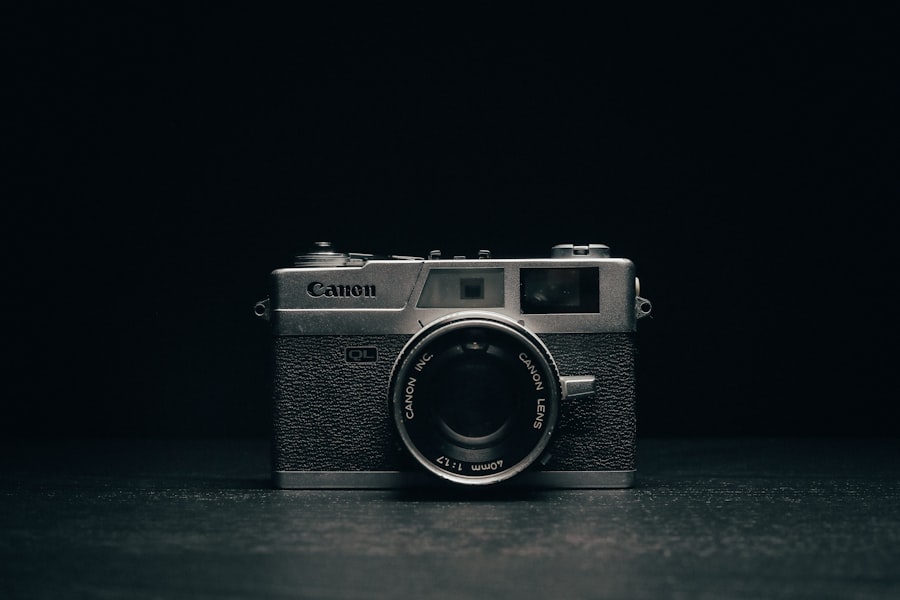
Lighting plays a pivotal role in photography, and understanding how to manipulate it can elevate our images significantly.
We should aim to shoot during the golden hour—shortly after sunrise or before sunset—when the light is warm and diffused.
If natural light is not available, we can experiment with artificial lighting setups, such as softboxes or ring lights, to achieve a similar effect. The key is to avoid harsh shadows and overly bright spots that can distort the product’s appearance. Composition is equally important in creating visually appealing images.
We can apply the rule of thirds by dividing our frame into a grid and positioning our product along these lines or at their intersections. This technique helps create balance and draws the viewer’s eye toward the focal point. Additionally, incorporating negative space can enhance our composition by allowing the product to breathe within the frame.
By thoughtfully considering both lighting and composition, we can create images that not only highlight our products but also evoke emotions and inspire action.
Editing Techniques to Enhance Your Photos
Once we have captured our images, the editing process becomes an essential step in refining them for online listings. Editing allows us to enhance colors, adjust brightness and contrast, and remove any imperfections that may have slipped through during shooting. We should utilize editing software such as Adobe Lightroom or Photoshop to make these adjustments while maintaining a natural look.
Over-editing can lead to unrealistic representations of our products, which may disappoint customers upon delivery. One effective technique is to adjust the white balance to ensure that colors appear true to life. This adjustment is particularly important for products where color accuracy is crucial, such as clothing or home decor items.
Additionally, we can use cropping tools to eliminate distractions from the edges of our images and focus on the product itself. By employing these editing techniques judiciously, we can create polished images that enhance our listings and attract potential buyers.
Showcasing Details and Unique Features
In online listings, it is vital to showcase not only the overall product but also its intricate details and unique features. We should consider taking close-up shots that highlight textures, patterns, or any special elements that set our products apart from competitors. These detailed images allow potential customers to appreciate the craftsmanship and quality of what we are offering, fostering a deeper connection with the item.
Additionally, incorporating lifestyle shots can provide context for how the product fits into everyday life. For instance, if we are selling home goods, we might photograph them in a beautifully styled room setting. This approach helps customers envision how they might use or display the product in their own homes.
By combining detailed shots with lifestyle imagery, we create a comprehensive visual story that resonates with potential buyers and encourages them to make a purchase.
Creating a Consistent and Cohesive Look for Your Listings

Consistency is key when it comes to creating a cohesive look for our online listings.
We should consider using similar backgrounds, lighting conditions, and editing styles for all our photographs.
This consistency not only enhances our brand’s professionalism but also creates a visually appealing shopping experience for potential buyers. We can also develop a signature style that reflects our brand’s personality—whether it’s minimalist, vibrant, or rustic—and apply it consistently across all platforms. This cohesive approach builds trust with customers as they come to associate specific visual cues with our brand.
By investing time in creating a consistent look for our listings, we strengthen our brand presence in a crowded marketplace.
Understanding the Target Audience and Tailoring Your Photography to Them
To effectively capture attention through photography, we must first understand our target audience and tailor our images accordingly. Different demographics have varying preferences when it comes to aesthetics and presentation styles. For instance, younger audiences may gravitate toward bold colors and dynamic compositions, while older consumers might prefer more classic and understated visuals.
We should conduct research on our target market’s preferences and behaviors to inform our photography choices. This understanding allows us to create images that resonate with potential buyers on an emotional level. By aligning our visual storytelling with their values and aspirations, we increase the likelihood of engagement and conversion.
Ultimately, tailoring our photography to meet the expectations of our audience is essential for building lasting connections with customers.
Utilizing Social Media and Online Platforms to Showcase Your Photography
In today’s digital landscape, social media platforms serve as powerful tools for showcasing our photography and reaching wider audiences. We should leverage platforms like Instagram, Pinterest, and Facebook to share our images and engage with potential customers directly. By curating visually appealing feeds that reflect our brand’s identity, we can attract followers who are genuinely interested in what we offer.
Additionally, utilizing hashtags strategically can help us reach new audiences beyond our immediate followers. Engaging with users through comments and collaborations can further amplify our reach and foster community around our brand. By actively participating in social media conversations related to our niche, we position ourselves as thought leaders while showcasing our photography skills.
In conclusion, high-quality photography is an indispensable element of successful online listings. By capturing attention-grabbing images through thoughtful techniques in lighting, composition, editing, and audience understanding, we can create compelling visuals that resonate with potential buyers. As we continue to refine our approach and utilize social media platforms effectively, we enhance not only our listings but also our overall brand presence in an increasingly competitive marketplace.
FAQs
What is photography that sells?
Photography that sells refers to the practice of taking high-quality, visually appealing photographs of products or properties in order to attract potential buyers and increase sales.
Why is photography important for online listings?
Photography is important for online listings because it is the first thing potential buyers see when browsing products or properties online. High-quality photographs can make a listing stand out and attract more attention from potential buyers.
What are some tips for taking photos that sell?
Some tips for taking photos that sell include using natural light, staging the product or property, using a high-quality camera, and editing the photos to enhance their visual appeal.
How can photography help a listing stand out online?
High-quality photography can help a listing stand out online by making it more visually appealing and engaging for potential buyers. Eye-catching photos can grab the attention of online shoppers and encourage them to learn more about the product or property.
What are some common mistakes to avoid in photography for online listings?
Common mistakes to avoid in photography for online listings include using poor lighting, cluttered backgrounds, and low-resolution images. It’s also important to avoid using misleading or overly edited photos that may misrepresent the product or property.