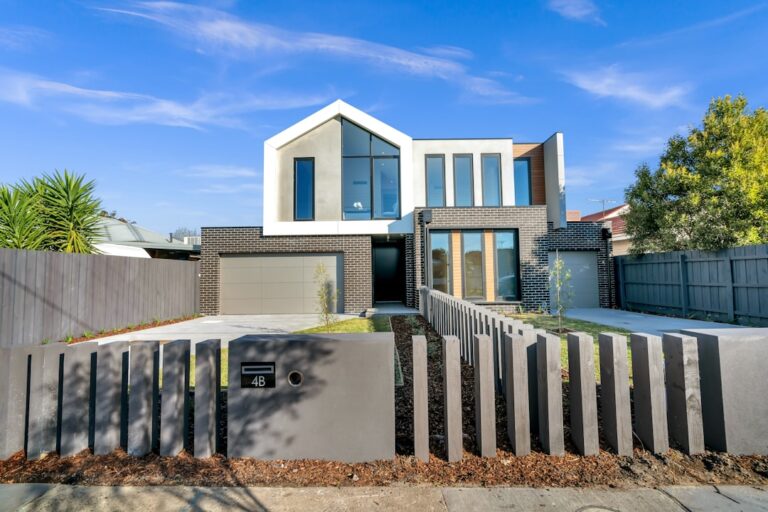
First-time Homebuyers Guide to Australia: Buying Your Dream Home
To successfully navigate the ever-changing and complex Australian housing market, one must possess a profound understanding of the subject. Be it a novice home buyer or an experienced investor, it is imperative to possess a thorough comprehension of the market. We shall examine the Australian housing market’s current situation, influencing variables, and emerging trends in this post. The advantages of being a home owner, setting a budget, choosing the ideal location, the kinds of properties that are available, the Australian home buying process, financing options, home inspections and legal considerations, moving into your new home, and maintaining your property and building equity will all be covered in detail.
Key Takeaways
- The Australian housing market is complex and varies greatly by region.
- Home ownership can provide financial stability and long-term investment opportunities.
- Determining your budget involves considering your income, expenses, and potential future expenses.
- Finding the right location involves considering factors such as proximity to work, schools, and amenities.
- Types of properties available include apartments, townhouses, and detached homes.
Right now, Australia’s housing market is expanding, with prices for real estate rising steadily all over the nation. Population expansion, low interest rates, & a robust economy are some of the factors that have fueled this expansion. It is crucial to remember that a number of variables, such as governmental regulations, prevailing economic conditions, and world events, can have an impact on the market. To make educated decisions, one must remain informed and stay up to date with the most recent trends & advancements.
In Australia, having a property has many advantages. A feeling of stability and security is provided by home ownership, which has social, emotional, & financial benefits as well. In terms of money, home ownership can contribute to long-term wealth accumulation due to equity development and property appreciation. Also, having a home gives you the emotional benefits of a sense of pride and belonging in addition to the flexibility to customize and alter your living area.
Having a home of one’s own can offer social benefits like stability and a sense of community, as well as the chance to settle down & form bonds with neighbors. In the process of buying a house, figuring out your budget is an important step. You should take your income, expenses, and financial objectives into account when creating your budget. Being realistic and taking into account all of the expenses related to homeownership, including maintenance, insurance, property taxes, and mortgage payments, is crucial. A number of tools, including financial advisors and online calculators, are also available to assist you in creating your budget.
| Topic | Metrics |
|---|---|
| Median House Price | 549,918 AUD |
| Deposit Required | Minimum 5% of the purchase price |
| Stamp Duty | Varies by state and purchase price |
| First Home Owner Grant | Up to 20,000 AUD depending on state and eligibility |
| Loan Term | Typically 25-30 years |
| Interest Rates | Varies by lender and loan type |
| Property Type | House, apartment, townhouse, etc. |
| Location | Urban, suburban, rural, etc. |
| Additional Costs | Legal fees, building and pest inspections, insurance, etc. |
| Timeline | Typically 6-8 weeks from offer to settlement |
An essential component of the house-buying process is selecting the ideal location. When selecting a location, there are a number of things to take into account, such as the area’s general safety and desirability as well as its closeness to amenities, schools, & transportation. When choosing a place, it’s crucial to take your lifestyle & personal preferences into account. You can use a variety of resources, including local market reports and websites for online real estate, to help you choose the ideal spot. Numerous property types are available for selection in the Australian housing market.
Apartments, townhomes, detached homes, and more are among them. Every kind of property has advantages and disadvantages, so when choosing one, it’s critical to take your lifestyle, financial situation, and long-term objectives into account. Although detached homes may need more upkeep, they provide greater privacy & space. Although they may be less spacious & give you less control over renovations, townhouses and apartments are a more cost-effective option and frequently include shared amenities.
Australia has a lengthy and sometimes complicated home-buying process. Acquainting oneself with the procedure is crucial for effectively navigating it. Finding a property, putting in an offer, getting financing, doing inspections, and finishing the legal paperwork are usually steps in the process. To guarantee a seamless and fruitful transaction, it is crucial to collaborate with experts like real estate brokers, mortgage brokers, and solicitors.
In Australia, there are various financing options available to homebuyers. They consist of conventional mortgages as well as alternatives like grants and assistance programs for first-time homebuyers. Every financing option has advantages & disadvantages, so it’s critical to weigh your long-term objectives and financial status when selecting the best one for you. To make sure you are getting the best deal, it is also crucial to shop around & compare terms and rates offered by various lenders.
During the home-buying process, home inspections are an essential step. They enable purchasers to see any possible problems or flaws in the property before deciding to buy it. To perform a comprehensive inspection of the property, it is crucial to engage the services of a qualified and experienced inspector. Moreover, there are a number of legal factors, including conveyancing, title searches, and contract terms, to be aware of when purchasing a property. To make sure all legal requirements are fulfilled, it is crucial to collaborate with a conveyancer or solicitor. It can be both exciting & stressful to move into a new house.
Developing a moving checklist, employing movers with experience, and packing methodically are a few suggestions to help the process go more easily. It’s crucial to take into account additional elements like transferring services, updating your address, and setting up utilities. To guarantee a successful move, take your time when organizing and planning.
One crucial part of being a homeowner is taking care of your property. Frequent upkeep and repairs can help protect the value of your investment and avert future, expensive problems. Establishing a maintenance schedule and budget for recurring costs is crucial. Also, many homeowners see equity building as a long-term objective.
By taking advantage of property appreciation, improving the property, and making consistent mortgage payments, this can be accomplished. In conclusion, anyone wishing to enter the Australian housing market must have a thorough understanding of the market & the home-buying process. You can make wise decisions & successfully navigate the market by keeping informed and taking into account variables like budget, location, kind of property, financing options, inspections, and legalities. Being a homeowner has many advantages, both material & psychological, and it can give one a feeling of security and stability.
In Australia, you can find the ideal home & take advantage of all the benefits of homeownership by making the necessary plans & preparations.
FAQs
What is the process of buying your first home in Australia?
The process of buying your first home in Australia involves several steps, including saving for a deposit, getting pre-approval for a home loan, finding a suitable property, making an offer, and settling the purchase.
What is the minimum deposit required to buy a home in Australia?
The minimum deposit required to buy a home in Australia is typically 5% to 20% of the purchase price, depending on the lender and the type of loan.
What are the costs associated with buying a home in Australia?
The costs associated with buying a home in Australia include stamp duty, conveyancing fees, building and pest inspections, lender’s mortgage insurance (if applicable), and ongoing costs such as council rates and strata fees.
What is the first home owner grant in Australia?
The first home owner grant is a government initiative that provides financial assistance to eligible first home buyers. The grant amount and eligibility criteria vary between states and territories.
What is the difference between a fixed rate and variable rate home loan?
A fixed rate home loan has a set interest rate for a specified period, while a variable rate home loan has an interest rate that can fluctuate over time. Fixed rate loans provide certainty and stability, while variable rate loans offer flexibility and the potential for savings if interest rates decrease.
What should I consider when choosing a home loan?
When choosing a home loan, you should consider the interest rate, fees and charges, loan features, repayment options, and the lender’s reputation and customer service.
What is the cooling-off period when buying a home in Australia?
The cooling-off period is a period of time after signing a contract to purchase a property during which the buyer can withdraw from the contract without penalty. The length of the cooling-off period varies between states and territories.