Queensland Property Market Report: Trends and Insights
The Queensland property market is a dynamic and diverse sector that plays a significant role in the state’s economy. With its stunning coastline, vibrant cities, and diverse landscapes, Queensland offers a wide range of property options, from beachfront apartments to rural retreats. The property market in Queensland is influenced by a variety of factors, including population growth, economic conditions, and government policies. As one of Australia’s most popular destinations for both domestic and international tourists, Queensland’s property market is also influenced by the tourism industry. The state’s property market is known for its resilience and has shown consistent growth over the years, making it an attractive option for investors and homebuyers alike.
The Queensland property market is characterised by its diversity, with a mix of residential, commercial, and industrial properties. The residential property market in Queensland is particularly strong, with a high demand for both houses and apartments in popular areas such as Brisbane, the Gold Coast, and the Sunshine Coast. The commercial property market in Queensland is also thriving, with a growing demand for office space, retail outlets, and industrial properties. The state’s property market is also influenced by its regional variations, with different areas experiencing different levels of demand and growth. Overall, the Queensland property market is a dynamic and multifaceted sector that offers a wide range of opportunities for investors and homebuyers.
Summary
- Queensland property market is experiencing significant growth and demand due to various factors such as population growth, infrastructure development, and lifestyle appeal.
- Current trends in the Queensland property market show an increase in demand for properties, particularly in regional areas, and a shift towards more sustainable and eco-friendly housing options.
- Property prices in Queensland have been steadily increasing, with a surge in sales volume, particularly in the coastal and regional areas, indicating a strong market demand.
- The rental market in Queensland is experiencing low vacancy rates, particularly in popular urban and coastal areas, leading to increased rental prices and competition among tenants.
- Economic factors such as low interest rates, government incentives, and infrastructure projects are positively impacting the Queensland property market, driving demand and investment opportunities.
- Regional variations in the Queensland property market show that coastal and urban areas are experiencing higher demand and price growth compared to rural and remote areas.
- The future outlook for the Queensland property market remains positive, with continued population growth, infrastructure development, and lifestyle appeal driving demand and investment opportunities.
Current Trends in the Queensland Property Market
The current trends in the Queensland property market reflect a strong and resilient sector that continues to attract investors and homebuyers. One of the key trends in the Queensland property market is the increasing demand for residential properties, particularly in popular areas such as Brisbane, the Gold Coast, and the Sunshine Coast. This high demand has led to a competitive market, with properties often selling quickly and at premium prices. Another trend in the Queensland property market is the growing interest in sustainable and eco-friendly properties, with an increasing number of buyers seeking homes that are energy-efficient and environmentally friendly.
In addition to the residential market, the commercial property market in Queensland is also experiencing positive trends, with a growing demand for office space and retail outlets in key business districts. The industrial property market is also performing well, driven by strong demand from businesses looking for warehouse and distribution facilities. Another notable trend in the Queensland property market is the increasing popularity of lifestyle properties, particularly in regional areas. Buyers are seeking properties that offer a relaxed and idyllic lifestyle, away from the hustle and bustle of city living. Overall, the current trends in the Queensland property market reflect a strong and diverse sector that continues to attract interest from both investors and homebuyers.
Insights into Property Prices and Sales Volume
Property prices in Queensland have shown consistent growth over the years, driven by strong demand and limited supply in key areas. The median house price in Brisbane, for example, has increased steadily over the past decade, reflecting the city’s growing popularity as a place to live and invest. Similarly, the Gold Coast and the Sunshine Coast have also experienced significant growth in property prices, particularly in beachfront and waterfront areas. The apartment market in Queensland has also performed well, with strong demand from both owner-occupiers and investors driving prices upwards.
In addition to rising property prices, sales volume in Queensland has also been strong, with a high level of activity in both the residential and commercial sectors. The number of properties sold in Brisbane, for example, has remained consistently high, reflecting the city’s status as a desirable place to live and invest. The Gold Coast and the Sunshine Coast have also seen strong sales volume, particularly in popular tourist areas. Overall, insights into property prices and sales volume in Queensland indicate a robust and active market that continues to attract interest from buyers and investors.
Analysis of Rental Market and Vacancy Rates
“`html
| City | Average Rent | Vacancy Rate |
|---|---|---|
| London | £1,500 | 5% |
| Manchester | £1,200 | 3% |
| Birmingham | £1,100 | 4% |
“`
The rental market in Queensland is characterised by strong demand and limited supply, particularly in popular areas such as Brisbane, the Gold Coast, and the Sunshine Coast. Rental prices in these areas have increased steadily over the years, driven by high demand from tenants and limited availability of rental properties. The rental market in Brisbane, for example, has seen consistent growth in rental prices, reflecting the city’s status as a popular place to live and work. Similarly, the Gold Coast and the Sunshine Coast have also experienced strong growth in rental prices, particularly in beachfront and waterfront areas.
Vacancy rates in Queensland have remained relatively low, reflecting the tight rental market and high demand for rental properties. In Brisbane, vacancy rates have consistently been below the national average, indicating a strong rental market with limited availability of rental properties. The Gold Coast and the Sunshine Coast have also seen low vacancy rates, particularly in popular tourist areas where short-term rentals are in high demand. Overall, the analysis of the rental market and vacancy rates in Queensland indicates a strong and competitive rental sector that continues to attract interest from tenants and investors alike.
Impact of Economic Factors on the Property Market
The property market in Queensland is influenced by a variety of economic factors that impact supply, demand, and prices. One of the key economic factors that impact the property market is population growth. Queensland has experienced strong population growth over the years, driven by both natural increase and migration from other states and countries. This population growth has led to increased demand for housing and commercial properties, particularly in urban areas such as Brisbane. Another economic factor that impacts the property market is employment growth. Queensland’s strong economy has led to job creation across various industries, driving demand for both residential and commercial properties.
Interest rates also play a significant role in shaping the Queensland property market. Low interest rates can stimulate demand for property as borrowing becomes more affordable, while high interest rates can dampen demand and lead to lower property prices. Government policies and incentives also impact the property market in Queensland. For example, first home buyer grants and stamp duty concessions can stimulate demand for residential properties, while changes to zoning laws or development regulations can impact supply and prices. Overall, economic factors such as population growth, employment growth, interest rates, and government policies all play a significant role in shaping the dynamics of the Queensland property market.
Regional Variations in the Queensland Property Market
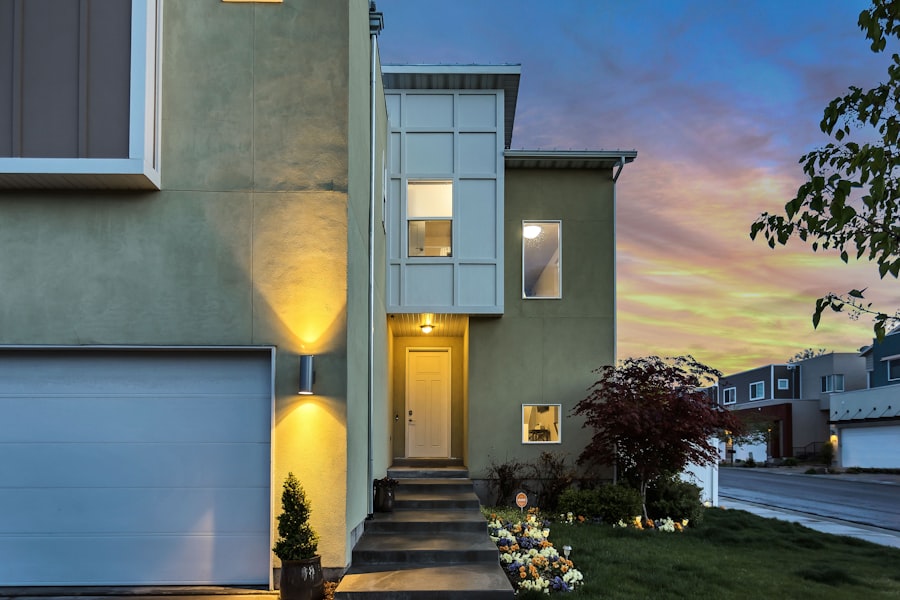
The Queensland property market exhibits regional variations that are influenced by factors such as location, lifestyle preferences, economic conditions, and infrastructure development. In Brisbane, for example, the property market is characterised by a mix of inner-city apartments, suburban houses, and lifestyle properties along the riverfront. The inner-city apartment market has seen strong growth due to increasing demand from young professionals and downsizers seeking convenience and amenities. Suburban areas have also experienced steady growth driven by families looking for spacious homes with access to schools and amenities.
The Gold Coast property market is known for its beachfront apartments, luxury waterfront homes, and lifestyle properties catering to tourists and residents seeking a relaxed coastal lifestyle. The Sunshine Coast offers a mix of beachside apartments, hinterland retreats, and lifestyle properties that appeal to those seeking a laid-back lifestyle away from the city. Regional areas such as Cairns and Townsville also have their own unique property markets influenced by tourism, lifestyle preferences, and economic conditions. Overall, regional variations in the Queensland property market reflect diverse opportunities for buyers and investors seeking different lifestyles and investment options.
Future Outlook for the Queensland Property Market
The future outlook for the Queensland property market remains positive, driven by factors such as population growth, infrastructure development, economic conditions, and lifestyle preferences. Population growth is expected to continue driving demand for housing and commercial properties across urban centres such as Brisbane, the Gold Coast, and the Sunshine Coast. Infrastructure development such as transport upgrades, new amenities, and urban renewal projects will further enhance the appeal of these areas for buyers and investors.
Economic conditions are also expected to play a significant role in shaping the future of the Queensland property market. Job creation across various industries will continue to drive demand for residential and commercial properties, while low interest rates are expected to stimulate borrowing activity. Government policies such as first home buyer grants and stamp duty concessions will also influence buyer behaviour and demand for residential properties.
Overall, the future outlook for the Queensland property market is one of continued growth and resilience, with diverse opportunities for buyers and investors across residential, commercial, and lifestyle properties. Regional variations will continue to offer different lifestyle options for those seeking coastal living or rural retreats. With its strong economy, diverse landscapes, and vibrant cities, Queensland’s property market is poised for continued success in the years to come.
FAQs
What is the current state of the Queensland property market?
The Queensland property market is currently experiencing strong growth, with increasing demand for both residential and commercial properties.
What are the key factors driving the growth in the Queensland property market?
Key factors driving the growth in the Queensland property market include population growth, low interest rates, government infrastructure investment, and a strong economy.
Which areas in Queensland are experiencing the highest property price growth?
The southeast region of Queensland, including Brisbane and the Gold Coast, is experiencing the highest property price growth.
What are the trends in rental prices in Queensland?
Rental prices in Queensland are also on the rise, particularly in popular urban areas. This is due to increased demand for rental properties and a shortage of available rental stock.
How has the COVID-19 pandemic impacted the Queensland property market?
The COVID-19 pandemic initially caused a slowdown in the Queensland property market, but it has since rebounded strongly, with many buyers and investors taking advantage of low interest rates and government incentives.
What are the forecasts for the future of the Queensland property market?
Forecasts for the Queensland property market are generally positive, with continued growth expected in the coming years. However, there are some concerns about potential oversupply in certain areas, which could impact property prices.