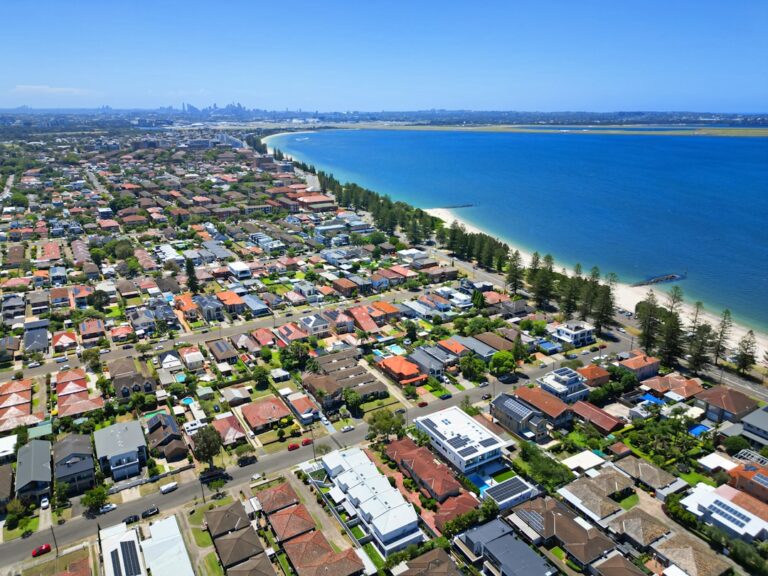
Guide to Buying Property in Australia
So, you’ve got your sights set on Australia, eh? Whether you’re dreaming of sun-drenched beaches in Queensland, the vibrant city life of Sydney or Melbourne, or the laid-back charm of Western Australia, buying a property Down Under is an exciting prospect. But as with any significant investment, especially in a foreign land, a little guidance goes a long way. This article is your trusty compass, designed to navigate you through the Australian property market, from initial considerations to the all-important moment you receive the keys. We’ll break down the process into digestible chunks, offering insights and practical advice from a British perspective, so you can confidently embark on your Australian property adventure.
Understanding the Australian Property Landscape
Before you start browsing online portals with starry eyes, it’s crucial to get a grip on the basics of the Australian property market. It’s a diverse beast, influenced by a blend of economic factors, government policies, and regional charms. Understanding these fundamentals will equip you to make informed decisions and avoid potential pitfalls.
The Different Types of Property Available
Australia offers a wide array of property types, catering to various lifestyles and budgets. Familiarising yourself with these will help you narrow down your search.
Houses
The quintessential Australian dream often involves a detached house, whether it’s a sprawling suburban oasis with a garden or a charming country cottage. These typically offer more space and privacy, appealing to families or those seeking a more independent lifestyle.
Standalone Houses
These are the most common type, offering freedom from shared walls and often a private yard. They can range from brand-new builds in developing suburbs to older, character-filled homes in established neighbourhoods.
Townhouses
More compact than standalone houses, townhouses are attached to one or more properties. They often offer a good balance of private living with lower maintenance than a full house, and are a popular choice in urban and peri-urban areas.
Apartments and Units
For those who prefer a more lock-up-and-leave lifestyle or seek the convenience of city living, apartments and units are a compelling option. These are individual dwellings within a larger building or complex.
Apartments
Typically found in dense urban areas, apartments offer a convenient lifestyle with fewer maintenance responsibilities. They come in various sizes, from studios to multi-bedroom penthouses.
Units
Synonymous with apartments in many contexts, “unit” can also refer to smaller, self-contained dwellings, often in smaller complexes or duplexes.
Vacant Land
If you dream of building your own bespoke home, purchasing vacant land is your starting point. This allows for complete control over design and construction, but comes with the added responsibility of managing the building process.
Residential Blocks
These are plots of land designated for building a dwelling. They can be found in new housing estates or as individual lots in established areas.
Rural or Lifestyle Blocks
For those seeking more space and a connection to nature, these larger parcels of land offer opportunities for hobby farming, equestrian pursuits, or simply enjoying a secluded existence.
Key Market Influences
The Australian property market isn’t static; it’s constantly shaped by various forces. Being aware of these will provide valuable context for your property search.
Interest Rates
Like in the UK, interest rates significantly impact borrowing costs for mortgages. Fluctuations can affect borrowing capacity and overall affordability. Keeping an eye on the Reserve Bank of Australia’s (RBA) decisions is wise.
Government Policies and Incentives
Governments, both federal and state, often introduce policies and incentives to stimulate the property market or address housing affordability. These can include first-home owner grants, stamp duty concessions, or changes to foreign investment regulations.
Economic Growth and Employment
A strong economy with low unemployment generally leads to increased demand for housing, pushing up prices. Conversely, economic downturns can dampen the market.
Population Growth and Migration
Australia’s growing population, driven by both natural increase and migration, is a consistent driver of demand for housing, particularly in major cities.
Construction Activity
The level of new housing construction plays a critical role in supply. A shortage of new builds can lead to price increases if demand remains high.
The Buying Process: Step-by-Step
Navigating the Australian property buying process can seem daunting, but by breaking it down, you’ll find it manageable. This section will guide you through each crucial stage.
Step 1: Financial Preparation and Budgeting
Before you even begin looking at properties, getting your finances in order is paramount. This is where you determine what you can realistically afford.
Getting a Mortgage Pre-Approval
This is arguably the most critical first step. A mortgage pre-approval from an Australian lender will give you a clear understanding of your borrowing capacity and demonstrate to sellers that you are a serious buyer. You’ll need to disclose your financial situation, including income, debts, and savings.
Choosing a Lender
Consider major banks, credit unions, and specialist mortgage brokers. Compare interest rates, fees, and loan products. Since you’re from the UK, you might also be able to explore Australian banks with international divisions or potentially use a UK-based broker who specialises in overseas property finance.
Understanding Different Loan Types
Familiarise yourself with variable-rate, fixed-rate, and interest-only loans, and consider which best suits your financial strategy.
Calculating Your Deposit
The size of your deposit will influence the amount you need to borrow and the loan-to-value ratio. In Australia, deposits typically range from 10% to 20% of the property value. A larger deposit can often lead to better loan terms and avoid the need for Lenders Mortgage Insurance (LMI).
Lenders Mortgage Insurance
If your deposit is less than 20%, your lender may require you to pay LMI. This protects the lender, not you, against default.
Estimating Additional Costs
Beyond the purchase price, a host of other costs will come into play. These include stamp duty, legal fees, valuation fees, and potentially strata fees.
Stamp Duty
This is a state government tax on property transfers. The rate varies significantly between states and territories and is often based on the property’s value. Research this thoroughly for the specific state you’re interested in.
Legal and Conveyancing Fees
You’ll need a solicitor or licensed conveyancer to handle the legal aspects of the transaction. Their fees will vary.
Other Fees
These can include pest and building inspections, insurance, and council rates.
Step 2: Finding Your Ideal Property
With your finances in order, the exciting part begins: hunting for your dream home! Australia offers a vast and diverse market.
Online Property Portals
These are your go-to resources for browsing listings. Familiarise yourself with the major players.
Realestate.com.au
This is the dominant property portal in Australia, boasting an extensive range of listings across all states and territories.
Domain.com.au
Another major player, Domain offers a comprehensive selection of properties and valuable market insights.
Working with Real Estate Agents
Real estate agents are licensed professionals who represent sellers. You can also engage buyer’s agents who represent you.
Engaging a Buyer’s Agent
A buyer’s agent can be incredibly valuable, especially for overseas buyers. They have local market knowledge, can negotiate on your behalf, and conduct property inspections.
Understanding Agent Commissions
Sellers typically pay the agent’s commission. If you use a buyer’s agent, their fee is usually a percentage of the purchase price.
Attending Open Inspections and Auctions
These are your opportunities to view properties in person and get a feel for the neighbourhood.
Open Inspections
These are scheduled times when a property is open for viewing. Arrive prepared with questions about the property and its surroundings.
Property Auctions
Auctions are a common method of sale in Australia. You’ll need to be well-prepared and understand the auction process and bidding rules.
Step 3: Making an Offer and Negotiating
Once you’ve found “the one,” it’s time to make your move. This stage can involve negotiation and a touch of strategy.
Making a Private Treaty Offer
This is the most common method outside of auctions. You submit a formal offer to the seller, usually through their agent.
Conditions of Sale
Your offer will likely include conditions, such as subject to finance approval or a satisfactory building and pest inspection.
Negotiation Strategies
Be prepared to negotiate. A buyer’s agent can be instrumental here, leveraging their experience and knowledge of the local market to secure the best possible price.
Bidding at Auction
If the property is going to auction, you’ll need to be registered and ready to bid. Understand the auction rules and your pre-determined limit.
Understanding the Auction Process
Auctions can be fast-paced. Familiarise yourself with terms like “vendor bid,” “going, going, gone,” and the importance of exchanging contracts if you’re the highest bidder.
Step 4: The Contract and Legalities
This is the crucial legal phase where the sale is formalised. Engaging the right professionals is vital.
Appointing a Solicitor or Conveyancer
As mentioned, these legal professionals are essential for reviewing the contract, conducting searches, and ensuring a smooth transfer of ownership.
Due Diligence Searches
Your solicitor will conduct various searches to uncover any potential issues with the property, such as existing encumbrances, council approvals, or environmental concerns.
Reviewing the Contract of Sale
This document outlines the terms and conditions of the sale. It’s imperative that your legal representative reviews it thoroughly to protect your interests.
Exchanging Contracts
Once both parties agree on the terms and all conditions are met, contracts are formally exchanged. This is when the sale becomes legally binding.
The Deposit
A deposit, typically 10% of the purchase price, is usually paid upon exchange of contracts. This can be held in a trust account by your solicitor or the seller’s agent.
The Cooling-Off Period
In most Australian states, there’s a cooling-off period following the exchange of contracts. This allows you to withdraw from the purchase, usually with a small penalty, if you have a change of heart or discover something significant. However, this does not apply to auction sales.
Step 5: Settlement and Beyond
The final hurdle is settlement, where ownership officially transfers.
Arranging Final Inspections
Just before settlement, you’ll usually have a final walk-through of the property to ensure it’s in the agreed-upon condition.
Settlement Day
This is when the remaining balance of the purchase price is paid, and the ownership title is transferred to your name. Your solicitor will manage this process, liaising with your bank and the seller’s representatives.
Receiving the Keys
The moment you’ve been waiting for! Once settlement is complete, you’ll officially receive the keys to your new Australian home.
Ongoing Responsibilities
As a property owner, you’ll have ongoing responsibilities, including paying council rates, water rates, land tax (depending on your circumstances and state), and potentially strata fees if you buy an apartment or townhouse.
Foreign Investment Regulations in Australia
For non-Australian residents looking to buy property, understanding and complying with foreign investment regulations is a non-negotiable step. The Australian government has specific rules to manage overseas investment in real estate.
The Foreign Investment Review Board (FIRB)
The FIRB is the government agency responsible for scrutinising proposals involving foreign investment. For most residential property purchases by foreign individuals, you will need to apply for FIRB approval.
When is FIRB Approval Required?
Generally, if you are a foreign national who is not an Australian citizen or permanent resident, you will need FIRB approval to purchase residential or vacant land. This applies whether you intend to live in the property or rent it out.
New Dwellings
Foreigners are generally permitted to buy newly built homes without FIRB approval if they are buying directly from a developer. However, it’s crucial to confirm this with the developer or your legal representative.
Established Dwellings
Purchasing an established dwelling (a property that has been previously occupied) typically requires FIRB approval.
Vacant Land
FIRB approval is usually required to purchase vacant land for the purpose of building a new dwelling.
The FIRB Application Process
The application process involves submitting a form and paying a fee to FIRB. Your solicitor or conveyancer will guide you through this process.
Application Fees
FIRB application fees vary depending on the value of the property and the type of purchase.
Timelines for Approval
FIRB approvals typically take several weeks. It’s essential to factor this timeline into your purchase plans and ensure your offer is conditional on obtaining FIRB approval.
Specific Rules for Different Types of Property
There are nuances to foreign investment rules depending on what you’re buying.
Residential Property Investments
This encompasses houses, apartments, and townhouses. Be aware of any restrictions on the type or value of established properties you can purchase.
Vacant Land Purchases
As mentioned, you can often buy vacant land to build your dream home, but FIRB approval is usually necessary.
Commercial Property
Foreign investment in commercial property often has different rules and thresholds and may not require FIRB approval for certain types of investments.
Exceptions and Considerations
While FIRB approval is often a requirement, there are some exceptions and important points to note.
Australian Citizens and Permanent Residents
If you hold Australian citizenship or permanent residency, you do not need FIRB approval.
New Zealand Citizens
New Zealand citizens residing in Australia generally have fewer restrictions, but it’s always best to verify their specific status.
Subsequent Purchasers
There are specific rules for foreign investors who are selling a property in Australia and then purchasing another.
Key Differences from the UK Property Market
While the core principles of buying property remain similar, there are several key differences between the Australian and UK markets that you, as a British buyer, should be aware of.
The Role of the Solicitor/Conveyancer
In the UK, solicitors handle most of the legal work. In Australia, while solicitors are used, licensed conveyancers are also very common and often handle the majority of the conveyancing work for standard transactions, potentially offering a more cost-effective solution.
Contract Exchange and Completion
The process of contract exchange and completion often differs. In Australia, the “exchange of contracts” is a more definitive step, often requiring a deposit, whereas in the UK, there might be more flexibility before exchange. Completion in Australia usually occurs shortly after settlement.
Stamp Duty vs. Stamp Duty Land Tax (SDLT)
While both are property transfer taxes, the terminology and structure can differ. In Australia, it’s typically referred to as “stamp duty,” and the rates and calculation methods vary significantly by state. In the UK, it’s Stamp Duty Land Tax (SDLT).
Property Auctions
Auctions are a more prevalent method of sale in Australia, particularly in larger cities, compared to the UK where private treaty is more common. Bidding at auction requires prompt decision-making and understanding of the auction rules.
Building and Pest Inspections
While common in the UK, building and pest inspections are practically mandatory in Australia for most pre-purchase transactions. They are crucial for identifying potential structural issues or pest infestations.
Property Titles
Australia uses a Torrens title system, which is a system of land registration that guarantees title and is generally considered very secure.
Essential Advice for Overseas Buyers
Buying property from abroad presents unique challenges. Here’s some advice tailored for British individuals looking to make this significant investment.
Secure Reputable Professional Advice
This cannot be stressed enough. Engaging experienced and trustworthy professionals is paramount.
Australian Mortgage Broker
Even if you have pre-approval from a UK bank, an Australian mortgage broker can help you navigate the local lending landscape and find the best deals.
Australian Solicitor or Conveyancer
Crucially, ensure they have experience with overseas buyers and understand foreign investment regulations.
Buyer’s Agent
As mentioned, a buyer’s agent can be invaluable for conducting inspections, understanding local market values, and negotiating on your behalf, saving you time and money.
Understand the Tax Implications
Beyond stamp duty, there are other tax considerations, such as capital gains tax on future sale and potentially land tax.
Capital Gains Tax (CGT)
If you sell your Australian property in the future, you may be liable for CGT on any profit made. The rules are complex, especially for non-residents, so seek professional tax advice.
Land Tax
Some Australian states levy an annual land tax on property owners. This usually applies to investment properties rather than your principal place of residence, but rules vary and can be complex for foreign owners.
Factor in Currency Fluctuations
The exchange rate between the British Pound and the Australian Dollar can significantly impact your costs.
Hedging Strategies
Discuss hedging strategies with your financial advisor or currency exchange specialist to mitigate the risk of adverse currency movements.
Visit Australia Before Buying
If at all possible, visit Australia before making any significant decisions. This will allow you to experience different regions, view properties in person, and get a feel for the lifestyle.
Research the Local Area Thoroughly
Beyond the property itself, understand the neighbourhood, future development plans, local amenities, and transport links.
Be Patient and Prepared for Delays
The international buying process can sometimes involve more steps and potential for delays. Stay patient and maintain open communication with your professional team.
Buying property in Australia is a rewarding undertaking. By arming yourself with knowledge, seeking expert guidance, and approaching the process systematically, you can turn your Australian property dream into a tangible reality. Good luck!
FAQs
What are the legal requirements for buying property in Australia?
Foreign investors are required to obtain approval from the Foreign Investment Review Board (FIRB) before purchasing residential property in Australia. Additionally, it is important to engage the services of a conveyancer or solicitor to handle the legal aspects of the property purchase.
What are the costs associated with buying property in Australia?
Buyers in Australia are typically required to pay stamp duty, which varies depending on the state or territory in which the property is located. Other costs may include legal fees, inspection fees, and loan application fees.
What types of properties are available for purchase in Australia?
A wide range of properties are available for purchase in Australia, including houses, apartments, townhouses, and rural properties. Additionally, there are opportunities to invest in off-the-plan developments and new construction projects.
Are there any restrictions on foreign ownership of property in Australia?
Foreign investors are generally restricted from purchasing established residential properties in Australia. However, they are allowed to buy new properties or off-the-plan developments, subject to approval from the FIRB.
What are the steps involved in the property buying process in Australia?
The property buying process in Australia typically involves finding a property, making an offer, obtaining finance, conducting inspections, exchanging contracts, and settling the purchase. It is important to engage the services of professionals such as real estate agents, conveyancers, and mortgage brokers to navigate the process effectively.