Navigating Your Commute: From Caboolture to Brisbane
When you embark on your daily commute, understanding your route is crucial for a smooth journey. Familiarizing yourself with the roads, public transport lines, and potential obstacles can save you time and reduce stress. You might want to take a few moments to map out your journey, whether it’s through a navigation app or a traditional map.
Knowing the landmarks along the way can also help you gauge your progress and make adjustments if necessary. Additionally, consider the time of day you’ll be traveling. Morning and evening rush hours can significantly impact your commute, so it’s wise to plan accordingly.
If you’re new to the area or trying a different route, consider doing a trial run during off-peak hours. This will give you a better sense of the distance and travel time without the added pressure of heavy traffic. By taking these steps, you can approach your daily commute with confidence and clarity.
Key Takeaways
- Understanding the commute route is essential for planning a smooth and efficient journey to work or school.
- Public transport options provide a convenient and cost-effective way to commute, with options such as buses, trains, and subways.
- Driving and parking considerations include traffic patterns, parking availability, and potential costs.
- Carpooling and ridesharing can help reduce traffic congestion and save money on commuting expenses.
- Cycling and walking are eco-friendly and healthy alternatives for short-distance commutes.
- Weather considerations are important for planning a safe and comfortable commute, with factors such as rain, snow, and extreme temperatures.
- Stay updated on traffic delays and road closures to adjust your commute route and avoid unnecessary delays.
- Safety tips and recommendations include being aware of your surroundings, following traffic laws, and using designated pedestrian and cycling paths.
Public Transport Options
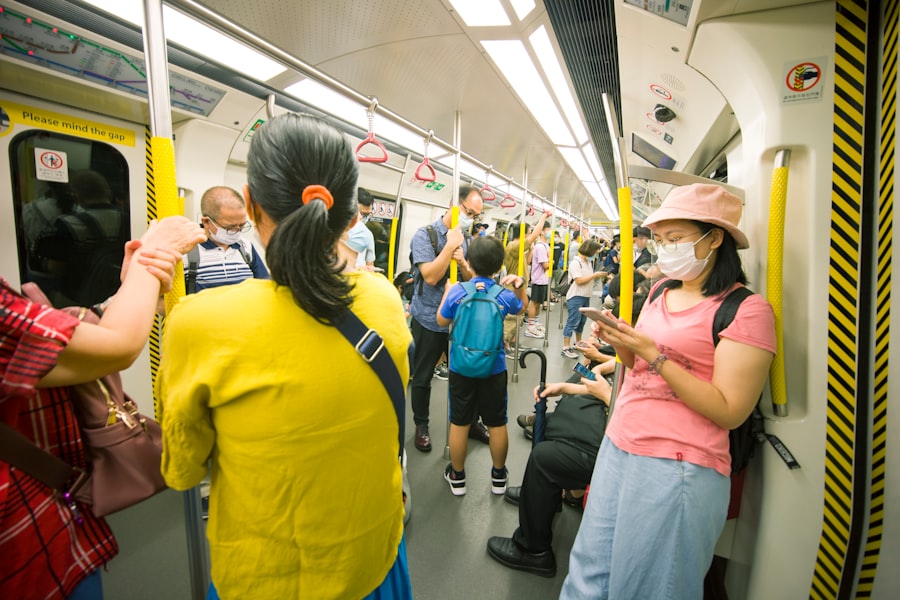
Public transport can be an excellent alternative to driving, offering a range of options that cater to different needs and preferences. Buses, trains, and subways are often available in urban areas, providing a cost-effective way to navigate the city. You may find that using public transport allows you to relax during your commute, giving you time to read, listen to music, or catch up on work.
Moreover, many cities have made significant improvements to their public transport systems in recent years. You might discover that there are mobile apps available that provide real-time updates on schedules and delays, making it easier for you to plan your journey.
Additionally, some public transport systems offer discounts for regular commuters or students, which can help you save money in the long run. Embracing public transport not only benefits you but also contributes to reducing traffic congestion and lowering your carbon footprint.
Driving and Parking
If you prefer the convenience of driving, understanding the ins and outs of parking is essential. Before you hit the road, take a moment to research parking options at your destination. Many urban areas have limited parking availability, so knowing where to park in advance can save you time and frustration.
You might want to consider using parking apps that allow you to reserve a spot ahead of time or find nearby garages that offer competitive rates. Driving also comes with its own set of challenges, such as navigating through traffic and dealing with road conditions. It’s important to stay alert and be prepared for unexpected delays or detours.
You may want to leave a little earlier than necessary to account for any unforeseen circumstances. Additionally, keeping your vehicle well-maintained can enhance your driving experience; regular oil changes, tire rotations, and brake checks can prevent breakdowns and ensure your safety on the road.
Carpooling and Ridesharing
| Metrics | 2019 | 2020 | 2021 |
|---|---|---|---|
| Number of carpooling users | 10,000 | 8,000 | 6,000 |
| Number of ridesharing trips | 50,000 | 40,000 | 30,000 |
| Percentage of CO2 emissions reduced | 15% | 20% | 25% |
Carpooling and ridesharing have gained popularity as effective ways to reduce commuting costs and environmental impact. If you have colleagues or friends who live nearby, consider organizing a carpool arrangement. This not only allows you to share expenses like gas but also provides an opportunity for social interaction during your commute.
You might find that sharing rides makes the journey more enjoyable and less monotonous. Ridesharing services have also become a convenient option for those who prefer not to drive themselves. Apps like Uber and Lyft allow you to request a ride at your convenience, making it easy to get where you need to go without the hassle of parking.
However, it’s essential to be mindful of surge pricing during peak hours, which can significantly increase your fare.
Cycling and Walking
For those who live close to their workplace or destination, cycling or walking can be an invigorating alternative to traditional commuting methods. Not only does cycling provide an excellent workout, but it also allows you to enjoy the fresh air and scenery along your route. If you choose to cycle, make sure you have a reliable bike and are familiar with local cycling paths and regulations.
Wearing a helmet and following traffic rules is crucial for your safety. Walking is another great option that promotes physical health while reducing your carbon footprint. If you’re within walking distance of your destination, consider leaving the car at home and enjoying a leisurely stroll instead.
This can be a great way to clear your mind before starting your day or unwind after work. Both cycling and walking offer unique benefits that can enhance your overall commuting experience while keeping you active.
Weather Considerations
Weather conditions play a significant role in your daily commute, influencing not only travel time but also safety. Rain, snow, or extreme heat can create challenges that require careful planning. Before heading out, check the weather forecast so you can dress appropriately and prepare for any potential delays.
If rain is expected, for instance, consider bringing an umbrella or wearing waterproof clothing. In winter months, icy roads can pose serious hazards for drivers and cyclists alike. If you must travel in adverse weather conditions, take extra precautions such as allowing more time for your journey and driving at reduced speeds.
For cyclists and pedestrians, wearing visible clothing and using lights during low visibility conditions is essential for safety. By staying informed about weather conditions and adjusting your plans accordingly, you can navigate your commute more effectively.
Traffic Updates and Delays
Staying informed about traffic updates is vital for anyone who commutes by car or public transport. Traffic jams can occur unexpectedly due to accidents or road construction, leading to significant delays. Utilizing navigation apps that provide real-time traffic information can help you avoid congested areas and find alternative routes when necessary.
You might also want to listen to local radio stations or check social media for updates on traffic conditions before leaving home. If you’re using public transport, being aware of any service disruptions or delays is equally important. Many transit systems offer alerts via text or app notifications that keep commuters informed about changes in schedules or routes.
By staying updated on traffic conditions and potential delays, you can make informed decisions about when to leave home and how best to reach your destination.
Safety Tips and Recommendations
Safety should always be a top priority during your commute, regardless of the mode of transportation you choose. If you’re driving, ensure that you’re following all traffic laws and regulations while remaining vigilant for pedestrians and cyclists on the road. Avoid distractions such as texting or using your phone while driving; staying focused is crucial for preventing accidents.
For those using public transport, keep an eye on your belongings and be aware of your surroundings at all times. If you’re traveling late at night or in less crowded areas, consider sitting near the driver or in well-lit sections of the vehicle for added security. When cycling or walking, always wear appropriate safety gear such as helmets or reflective clothing to increase visibility.
By implementing these safety tips into your daily routine, you can help ensure a safer commuting experience for yourself and others on the road. In conclusion, navigating your daily commute involves understanding various factors such as route planning, transportation options, weather conditions, and safety measures. By taking the time to familiarize yourself with these elements, you can enhance your commuting experience while minimizing stress and maximizing efficiency.
Whether you choose public transport, driving, cycling, or walking, being prepared will empower you to tackle each day with confidence.
FAQs
What is the distance between Caboolture and Brisbane?
The distance between Caboolture and Brisbane is approximately 44 kilometers.
What are the transportation options for commuting from Caboolture to Brisbane?
Commuters can choose to travel by train, bus, or car when commuting from Caboolture to Brisbane. The train service is operated by Queensland Rail and offers a convenient and reliable option for daily commuters.
How long does it take to commute from Caboolture to Brisbane?
The travel time from Caboolture to Brisbane varies depending on the mode of transportation. By train, the journey takes approximately 50 minutes, while driving can take around 45 minutes to an hour, depending on traffic conditions.
What are some popular residential areas in Brisbane for commuters from Caboolture?
Popular residential areas in Brisbane for commuters from Caboolture include the inner-city suburbs such as Fortitude Valley, New Farm, and Spring Hill. These areas offer convenient access to public transportation and are close to the central business district.
Are there any park-and-ride facilities available for commuters from Caboolture to Brisbane?
Yes, there are park-and-ride facilities available at the Caboolture train station, allowing commuters to park their cars and catch the train into Brisbane. This provides a convenient option for those who prefer to drive part of the way and then use public transportation for the rest of their journey.
What are some tips for a smooth commute from Caboolture to Brisbane?
Some tips for a smooth commute from Caboolture to Brisbane include checking the train or bus schedules in advance, allowing extra time for potential delays, and considering alternative routes in case of traffic congestion. It’s also important to stay informed about any service disruptions or changes to the public transportation schedule.