Regional Real Estate: Surging Price Growth Beyond Sydney & Melbourne
In recent years, regional real estate has emerged as a compelling alternative to urban property markets, capturing the attention of both buyers and investors alike. As you explore this dynamic landscape, you may find that the allure of regional living is not just about affordability; it encompasses a lifestyle shift that many are eager to embrace. The pandemic has accelerated this trend, prompting individuals and families to reconsider their living arrangements, often seeking the tranquility and space that regional areas can provide.
This shift has led to a surge in demand for properties outside major metropolitan hubs, fundamentally altering the real estate landscape. As you delve deeper into regional real estate, you will discover that these markets are not merely an extension of urban trends but possess unique characteristics and opportunities. The charm of regional towns, combined with the potential for significant price appreciation, makes them an attractive option for those looking to invest or find a new home.
With a growing number of people prioritizing lifestyle over proximity to city centers, understanding the nuances of regional real estate becomes essential for making informed decisions in this evolving market.
Key Takeaways
- Regional real estate market is experiencing surging price growth due to various factors
- Top regional real estate markets offer great opportunities for both buyers and sellers
- Buyers and sellers in regional real estate markets are impacted by the changing dynamics
- Investors face both challenges and opportunities in the regional real estate market
- Navigating the regional real estate market requires careful consideration and strategic planning
Factors Driving Surging Price Growth
Several factors contribute to the remarkable price growth observed in regional real estate markets. One of the most significant drivers is the increasing demand for space and lifestyle changes prompted by the COVID-19 pandemic. As remote work becomes more commonplace, many individuals and families are no longer tethered to their offices in major cities.
This newfound flexibility allows you to seek out properties in regional areas that offer larger homes, outdoor spaces, and a more relaxed pace of life. Consequently, the influx of buyers into these markets has led to heightened competition and, subsequently, rising property prices. Another critical factor influencing price growth is the limited supply of available properties in desirable regional locations.
As more people flock to these areas, the inventory struggles to keep pace with demand. You may notice that many regional towns are experiencing a shortage of homes for sale, which further drives up prices. Additionally, government incentives aimed at stimulating regional development and investment have also played a role in attracting buyers.
These initiatives often include grants and tax breaks for first-time homebuyers or those relocating to regional areas, making it easier for you to enter the market.
Top Regional Real Estate Markets
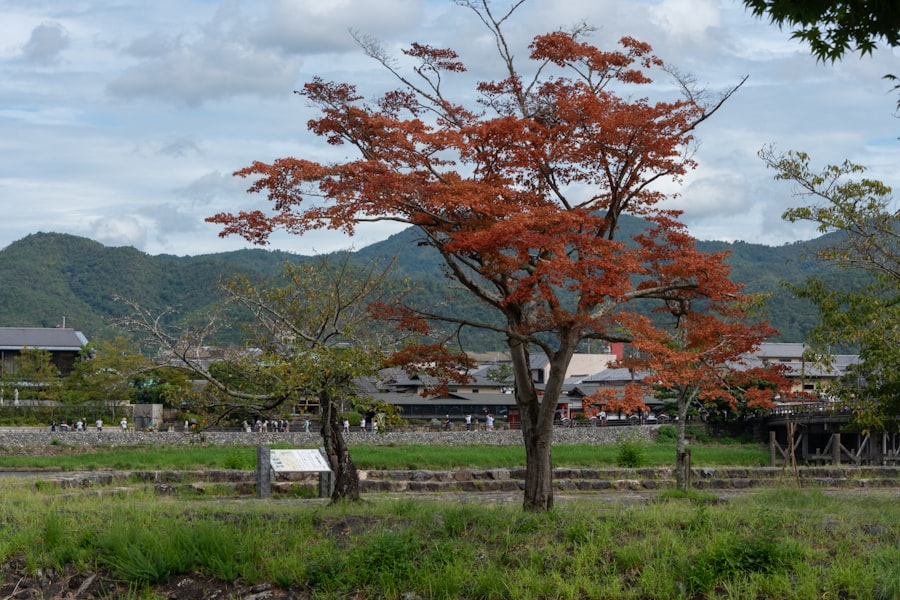
As you navigate the regional real estate landscape, certain markets stand out due to their exceptional growth potential and lifestyle offerings. Towns like Byron Bay and Noosa have become synonymous with coastal living, attracting buyers seeking both investment opportunities and a change of scenery. The appeal of these locations lies not only in their stunning natural beauty but also in their vibrant communities and thriving local economies.
You may find that properties in these areas are highly sought after, often commanding premium prices due to their desirability.
These towns offer a rich history, cultural amenities, and a strong sense of community, making them attractive options for families and retirees alike.
As you explore these markets, you will likely encounter diverse property types, from charming heritage homes to modern developments, catering to various preferences and budgets. The combination of lifestyle benefits and investment potential makes these regional markets worthy of your consideration.
Impact on Buyers and Sellers
| Metrics | Buyers | Sellers |
|---|---|---|
| Number of Transactions | Increasing | Increasing |
| Customer Satisfaction | High | High |
| Market Competition | High | High |
| Price Fluctuations | Low | Low |
The surge in regional real estate prices has profound implications for both buyers and sellers. For buyers like yourself, entering the market can be both exciting and challenging. While you may find more affordable options compared to metropolitan areas, the increased competition can make it difficult to secure your dream property.
You might need to act quickly and be prepared to make competitive offers as properties often receive multiple bids shortly after listing. This fast-paced environment requires you to stay informed about market trends and be ready to adapt your strategy accordingly. On the flip side, sellers in regional markets are experiencing a favorable environment as well.
With demand outstripping supply, many homeowners are capitalizing on rising prices by selling their properties at a premium. If you are considering selling your home in a sought-after regional area, you may find that your property attracts significant interest from potential buyers eager to make a move. However, it’s essential to approach the selling process strategically; pricing your home correctly and presenting it well can make all the difference in achieving a successful sale.
Challenges and Opportunities for Investors
Investing in regional real estate presents both challenges and opportunities that you should carefully consider. One of the primary challenges is navigating the varying levels of market maturity across different regions.
As an investor, it’s crucial to conduct thorough research on local market conditions, demographic trends, and economic indicators before committing your resources. Despite these challenges, there are significant opportunities for savvy investors willing to take the plunge into regional markets. The potential for capital appreciation is substantial, especially in areas undergoing revitalization or infrastructure development.
You may find that investing in emerging regional towns can yield impressive returns as demand continues to rise. Additionally, rental yields in some regional areas can be more attractive than those in major cities, providing you with a steady income stream while your property appreciates over time.
Comparing Regional Real Estate to Sydney and Melbourne

When comparing regional real estate markets to those in Sydney and Melbourne, several key differences emerge that can influence your decision-making process. One of the most apparent distinctions is affordability; properties in regional areas often come at a fraction of the cost compared to their urban counterparts. This affordability allows you to access larger homes with more land, which is increasingly appealing as lifestyle preferences shift toward spacious living environments.
However, while regional markets offer enticing opportunities, they may lack some of the amenities and conveniences found in major cities like Sydney and Melbourne. Urban centers typically boast a wider array of cultural attractions, dining options, and employment opportunities. As you weigh your options, consider what aspects of urban living are most important to you versus the benefits of a quieter, more spacious lifestyle that regional areas provide.
Ultimately, your choice will depend on your personal priorities and long-term goals.
Future Outlook for Regional Real Estate
The future outlook for regional real estate appears promising as trends continue to evolve in response to changing societal norms and economic conditions. As remote work remains prevalent and more individuals seek out lifestyle changes, you can expect sustained interest in regional properties. This trend is likely to drive further price growth in desirable locations as demand continues to outstrip supply.
Moreover, ongoing investments in infrastructure and amenities in regional areas will enhance their appeal even further. Government initiatives aimed at promoting regional development can lead to improved transport links, healthcare facilities, and educational institutions—factors that will undoubtedly attract more residents over time. As you consider your options within this landscape, staying informed about emerging trends will be crucial for making sound investment decisions.
Tips for Navigating the Regional Real Estate Market
Navigating the regional real estate market requires a strategic approach tailored to its unique characteristics. First and foremost, conducting thorough research is essential; familiarize yourself with local market trends, property values, and community amenities before making any decisions. Engaging with local real estate agents who possess intimate knowledge of the area can provide valuable insights that may not be readily available through online resources.
Additionally, be prepared to act quickly when you find a property that meets your criteria. Given the competitive nature of many regional markets, having your finances pre-approved can give you an edge over other buyers. Finally, consider your long-term goals when investing in regional real estate; whether you’re looking for a primary residence or an investment property, aligning your purchase with your future aspirations will help ensure a successful outcome.
In conclusion, as you explore the world of regional real estate, you’ll find a landscape rich with opportunities and challenges alike. By understanding the factors driving price growth, identifying top markets, and navigating the complexities of buying or selling property in these areas, you can position yourself for success in this evolving market. Whether you’re seeking a new home or an investment opportunity, embracing the potential of regional real estate could lead you toward a fulfilling future.
FAQs
What are regional areas in Australia?
Regional areas in Australia refer to areas outside of major cities like Sydney, Melbourne, Brisbane, and Perth. These areas are often characterized by smaller populations and a focus on industries such as agriculture, mining, and tourism.
Why are regional areas experiencing price growth?
Regional areas are experiencing price growth due to a variety of factors including increased demand for lifestyle properties, improved infrastructure and amenities, and a shift towards remote work which has allowed people to live further from major cities.
How does price growth in regional areas compare to major cities like Sydney and Melbourne?
Price growth in regional areas has been outpacing that of major cities like Sydney and Melbourne in recent years. This is due to a combination of factors including affordability, lifestyle appeal, and investment opportunities.
What are some examples of regional areas experiencing price growth?
Examples of regional areas experiencing price growth include the Sunshine Coast in Queensland, the Hunter Valley in New South Wales, and the Barossa Valley in South Australia. These areas are attracting buyers and investors seeking a change of pace from city living.
What are the potential benefits of investing in regional areas?
Investing in regional areas can offer potential benefits such as lower entry costs, higher rental yields, and the potential for capital growth as these areas continue to develop and attract more residents and businesses. However, it’s important to conduct thorough research and seek professional advice before making any investment decisions.