How to Sell Your House in Australia
Table of Contents
Selling a house can be a complex process, especially if you’re unfamiliar with the steps involved. In this guide, we’ll walk you through the process of selling a home in Queensland, Australia. From entering into an agreement with a real estate agent to negotiating with buyers and finalizing the sale, we’ll cover each step in detail. So, if you’re looking to sell your house in Australia, read on to learn more.
Entering into an “Appointment Agreement” with Your Real Estate Agent
The first step in selling your home is to find a reliable real estate agent and enter into an agreement with them. This agreement, known as a Form 6, authorizes the agent to market and sell your property. Here are the key details that will be specified in the agreement:
Length of Agreement
The agreement will specify the length of time the agent will be appointed for, with a maximum of 90 days allowed. You can terminate the agreement by giving a written notice of 30 days, but the appointment must run for a minimum of 60 days. The agreement can also be terminated at any time by mutual agreement in writing.
Type of Agency Agreement
There are three types of agency agreements you can enter into:
-
Open Listing: You appoint the agent to sell your property but retain the right to appoint other agents simultaneously. The appointment can be terminated at any time by giving written notice, and no end date is required for an open listing. The agent is entitled to the agreed commission if they are the effective cause of the sale.
-
Sole Agency: You appoint a single agent to sell your property and retain the right to sell the property privately. If you sell the property privately and the agent was not the effective cause of the sale, you do not need to pay them any commission.
-
Exclusive Agency: You appoint a single agent to sell your property, and the agent is paid commission whether they or anyone else sells the property during the term of the appointment.
Marketing Method
There are two common methods for selling a home in Queensland: Private Treaty and Auction Sale. Private Treaty involves advertising the property for sale and negotiating with prospective buyers privately. Here are a few common marketing approaches for Private Treaty sales:
- Marketing with a fixed advertised price.
- Marketing with a price range.
- Marketing with an “offers over” price.
- Marketing without a price at all, using phrases like “Contact Agent” or “Expressions of Interest.”
Preparing Your Home for Sale
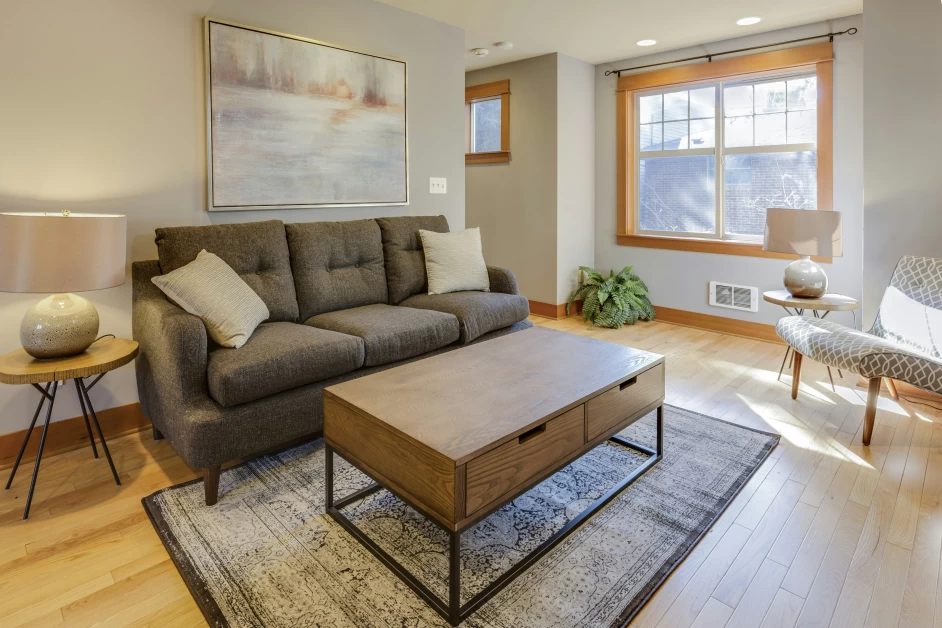
Once you’ve appointed a real estate agent, it’s time to prepare your home for sale. Presentation plays a crucial role in getting the highest possible price for your property, so it’s important to make a good first impression on potential buyers. While there are various ways to improve the presentation of your home, here are a few basic tips:
- Declutter and clean your home thoroughly.
- Improve curb appeal by tidying up the front yard and entrance.
- Fix any minor repairs or maintenance issues.
- Stage your home to showcase its best features.
For more detailed tips on preparing your home for sale, you can download our “101 Tips” booklet from https://downunderrealty.com.
Property Inspections: Open Home vs Private Inspections
Once your property is advertised, you have two options for buyer inspections:
-
Open Home: This is a scheduled time when anyone interested in viewing your property can come and visit. Open homes are typically held on Saturdays for a half hour to one hour. The agent will record the details of all parties that enter the property.
-
Private Inspections: Private inspections are arranged for buyers who may not be able to attend the open home or prefer a more intimate viewing experience. Private inspections allow the agent to develop a closer relationship with the buyer and understand their needs and preferences better.
Both methods of inspection have their advantages. Open homes allow for more buyers to view your property simultaneously, creating a more competitive environment. Private inspections, on the other hand, enable more personalized communication and negotiation with buyers. It’s generally advisable for the owner not to be present during inspections, as it can intimidate buyers and hinder open conversation.
Negotiating with a Buyer
Once a buyer expresses interest in your property, the agent’s role is to negotiate and achieve the highest possible price that the buyer is willing to pay. Negotiations often involve back-and-forth communication and can be a stressful process for the owner. It’s important to trust the agent’s skills and understand that reaching the final highest price takes time and negotiation.
Entering into a Sale Contract: Conditional vs Unconditional Contracts
Once a price and other details have been agreed upon, both parties will sign a sale contract. The contract can be either conditional or unconditional, depending on the conditions that need to be met before the contract becomes irrevocable.
Conditional Contract
In a conditional contract, there are still conditions that need to be fulfilled before the contract becomes binding. The most common conditions are “Finance” and “Building & Pest Inspections.” Here’s what you need to know about these conditions:
- Finance: The buyer has a specified time frame (usually 14 to 21 days) to obtain finance from a financial institution. If the buyer fails to secure financing, the contract can be canceled without penalties.
- Building & Pest Inspections: The buyer has a specified time frame (usually 7 to 14 days) to arrange inspections by experts to assess the building’s condition and check for any pest infestations. Depending on the inspection outcomes, the buyer may accept the property as is, negotiate for repairs or a price reduction, or cancel the contract without penalties.
It’s important to note that arranging building and pest inspections before listing your property can be advantageous. This allows you to address any known issues upfront and strengthens your negotiating position.
Unconditional Contract
An unconditional contract is one where all conditions have been met, and both parties are legally bound to proceed with the sale. Once a contract becomes unconditional, there is no option to cancel, and the sale moves forward to settlement. It’s worth mentioning that a contract can be entered into without any specified conditions, making it unconditional upon signing.
In conclusion, selling a house in Australia involves various steps, from entering into an agreement with a real estate agent to negotiating with buyers and finalizing the sale contract. By understanding the process and working with a trusted agent, you can navigate the selling process successfully. Good luck with your property sale!
Note: This article is for informational purposes only and should not be considered legal or financial advice. Consult with professionals for personalized advice regarding your specific situation.