How to Sell Your House in Australia
Table of Contents
Selling your house in Australia can be a complex process, but with the right knowledge and guidance, it can be a smooth and successful experience. In this article, we will provide you with a step-by-step guide on how to sell your house in Australia, covering everything from preparing your property for sale to the final settlement. So, let’s dive in and explore the process of selling a house in Australia.
Step 1: Prepare Your Property for Sale
Before listing your property on the market, it’s important to ensure that it is in the best possible condition to attract potential buyers. Here are some steps you can take to prepare your property for sale:
-
Declutter and Clean: Remove any unnecessary items and clutter from your home to make it appear more spacious and appealing to buyers. Clean your property thoroughly, paying attention to details such as windows, carpets, and bathrooms.
-
Make Necessary Repairs: Take care of any repairs or maintenance issues in your home. Fix leaky faucets, replace broken light bulbs, and repair any damaged walls or floors. These small repairs can make a big difference in the overall impression of your property.
-
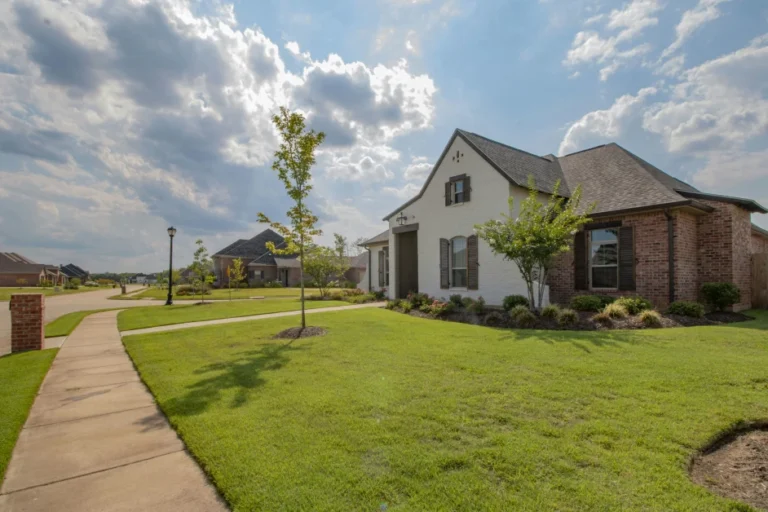
Enhance Curb Appeal: The first impression is crucial when selling a house. Improve the curb appeal of your property by mowing the lawn, trimming bushes, and planting flowers. Consider repainting the exterior or fixing any damaged fences or gates.
-
Stage Your Home: Consider staging your home to showcase its potential to potential buyers. This may involve rearranging furniture, adding decorative elements, and creating a warm and inviting atmosphere.
Step 2: Engage a Real Estate Agent
Working with a reputable real estate agent can greatly simplify the selling process and help you achieve the best possible sale price for your property. Here are some tips for engaging a real estate agent:
-
Research Local Real Estate Agents: Look for real estate agents with local market knowledge and a proven track record of successful sales in your area. Read reviews, ask for recommendations, and interview multiple agents before making a decision.
-
Evaluate Marketing Strategies: Discuss the agent’s marketing strategies and ensure they have a comprehensive plan to promote your property effectively. This may include online listings, professional photography, signage, and open house inspections.
-
Negotiate Commission: Real estate agent commissions can vary, so negotiate the commission rate before signing any agreements. Remember that the cheapest option may not always be the best choice, so consider the agent’s experience and expertise when making a decision.
Step 3: Set the Right Price
Setting the right price for your property is crucial to attract potential buyers and achieve a successful sale. Here are some factors to consider when determining the price:
-
Market Conditions: Research the current property market conditions in your area. Consider factors such as supply and demand, recent sales data, and trends in property prices. Your real estate agent can provide valuable insights into the local market.
-
Property Valuation: Obtain a property valuation from a professional valuer or real estate agent. This will give you an estimate of your property’s market value based on factors such as location, size, condition, and recent sales of comparable properties.
-
Consideration of Costs: Take into account any outstanding loans, mortgages, or encumbrances on your property. Consider the costs associated with selling, such as real estate agent commissions, conveyancing fees, and marketing expenses. These costs should be factored into your pricing strategy.
Step 4: Market Your Property
Effective marketing is essential to attract potential buyers and generate interest in your property. Here are some strategies to market your property effectively:
-
Online Listings: List your property on popular real estate websites and online marketplaces. Include professional photographs, a detailed description, and accurate information about the property.
-
Print Advertising: Consider placing advertisements in local newspapers, magazines, or real estate publications. This can help reach potential buyers who may not be actively searching online.
-
Signage: Place a “For Sale” sign on your property to attract the attention of passersby. Ensure that the sign is visible and includes contact information for your real estate agent.
-
Open House Inspections: Organize open house inspections to allow potential buyers to view your property. Work with your real estate agent to schedule these inspections at convenient times and ensure that your property is well-presented during these events.
Step 5: Negotiate and Accept Offers
Once potential buyers show interest in your property, you will need to negotiate and accept offers. Here are some tips for this stage of the selling process:
-
Evaluate Offers: Review each offer carefully, considering factors such as the purchase price, settlement terms, and any special conditions. Your real estate agent can provide guidance and help you evaluate the offers.
-
Counteroffers: If the initial offer is not acceptable, you can make a counteroffer to the buyer. Negotiate the terms and conditions that are most favorable to you while remaining open to compromise.
-
Acceptance of Offer: Once you are satisfied with an offer, accept it in writing. Your real estate agent will guide you through the process of accepting the offer and preparing the necessary documentation.
Step 6: Prepare the Contract of Sale
The Contract of Sale is a legally binding document that outlines the terms and conditions of the sale. It is typically prepared by a conveyancer or solicitor. Here are the key elements of the Contract of Sale:
-
Purchase Price: The agreed-upon purchase price of the property.
-
Special Conditions: Any specific conditions that both parties have agreed to, such as subject to finance or subject to a building inspection.
-
Settlement Date: The date on which the property will be transferred to the buyer.
-
Deposit: The amount of money the buyer must pay as a deposit to secure the property.
-
Vendor’s Statement: The vendor’s statement, also known as a Section 32 statement, provides important information about the property to the buyer. This includes details such as title information, zoning, planning restrictions, and any known defects or issues.
Step 7: Settlement Process
The settlement process is the final stage of the selling process, where the property ownership is transferred from the seller to the buyer. Here are the key steps involved in the settlement process:
-
Engage a Conveyancer: Engage a conveyancer or solicitor to handle the settlement process on your behalf. They will ensure that all legal requirements are met and facilitate the transfer of ownership.
-
Finalize Finances: Ensure that any outstanding financial obligations, such as mortgages or loans, are settled before the settlement date.
-
Coordinate with Legal Representatives: Work closely with your conveyancer and the buyer’s legal representative to ensure a smooth settlement process. Provide any necessary documentation and information requested by your conveyancer.
-
Settlement Date: On the agreed settlement date, the buyer will pay the remaining purchase funds, and the seller will provide the necessary legal documents and keys.
-
Post-Sale Matters: After settlement, disconnect utilities, notify relevant authorities and service providers of the change of ownership, and attend to any final tasks related to the property transfer.
Conclusion
Selling your house in Australia can be a complex process, but with careful planning and the right guidance, you can achieve a successful sale. Follow the steps outlined in this guide to navigate the selling process effectively. Remember to engage professionals, such as real estate agents and conveyancers, to help you throughout the process. With their expertise and knowledge, you can sell your house with confidence and achieve the best possible outcome.