How to Sell Your House in Australia A Comprehensive Guide
Table of Contents
- Do You Need a Real Estate Agent to Sell Your House?
- Setting a Realistic Price: How to Make Buyers Bite
- Preparing to Sell: What You Need to Fix Before Listing
- Private Treaty or Auction: Which is the Best Way to Sell?
- Legal Requirements: Building and Pest Inspections, and More
- Common Mistakes to Avoid When Selling Your Property in Australia
Selling a house in Australia can be a complex process, especially for homeowners who are unfamiliar with the intricacies of the real estate landscape. This comprehensive guide aims to demystify the process of selling a home in Australia, providing valuable insights and tips to help homeowners navigate the journey with confidence and clarity. Whether you’re a first-time seller or looking to refresh your knowledge, this essential handbook will guide you through the steps to successfully sell your house in Australia.
Do You Need a Real Estate Agent to Sell Your House?
The first decision homeowners need to make when selling their house is whether to enlist the services of a real estate agent or opt for a “For Sale By Owner” (FSBO) approach. While working with a real estate agent can provide valuable assistance in setting the right asking price, marketing the property, and negotiating with potential buyers, it is important to understand the associated costs. Real estate agents in Australia typically charge a commission, usually a percentage of the sale price.
For those considering the FSBO route, it is important to be aware of the challenges involved. Selling a property without an agent means taking on the responsibility of all aspects of the sale, from listing the house online to handling legal requirements. While it may save on commission fees, it can be time-consuming and stressful, particularly for those without experience in the real estate industry.
Setting a Realistic Price: How to Make Buyers Bite
Determining the right asking price for your property is crucial to attracting potential buyers. Setting the price too high can deter interested buyers and result in a longer time on the market. Conversely, pricing your home attractively can lead to quicker sales and better offers. A real estate agent can provide valuable insights into the local market and help you set an optimal asking price.
To determine the right price, conducting a detailed market analysis is essential. This analysis will help you understand the demand in your area, the prices at which similar homes are selling, and the average time properties are staying on the market. A real estate agent can access comprehensive databases and provide insights that may not be readily available to homeowners.
It is also important to be flexible and adjust the asking price in response to market fluctuations. The real estate market in Australia is dynamic and can be influenced by factors such as economic trends, interest rates, and seasonal changes. By staying informed and adjusting the price accordingly, homeowners can position their property competitively in the market.
Preparing to Sell: What You Need to Fix Before Listing
Before listing a property for sale, it is important to address any necessary repairs or improvements that can enhance its appeal to potential buyers. While major renovations may not always be necessary, small fixes and improvements can make a significant difference in attracting buyers.
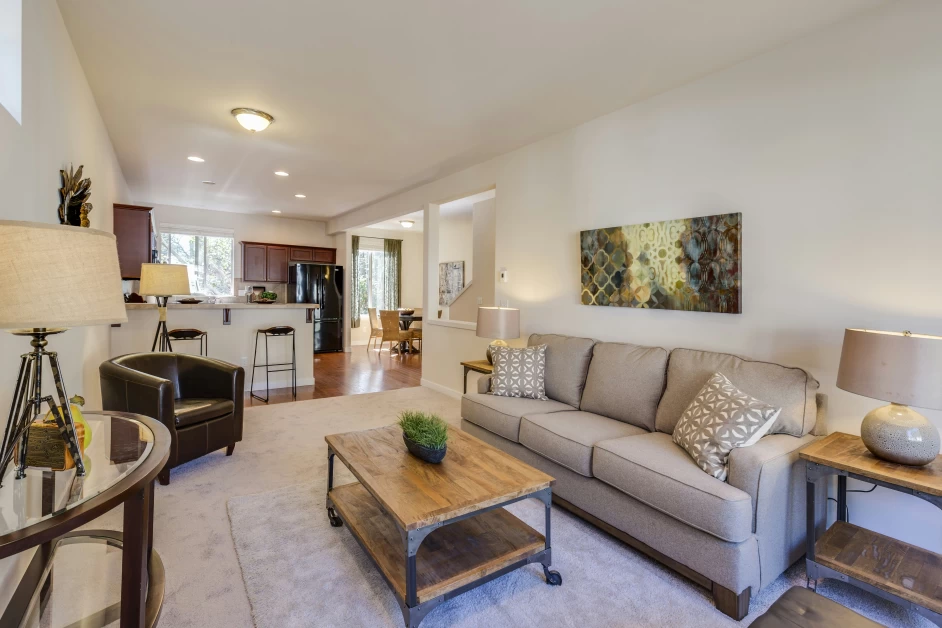
To maximize your home’s appeal without breaking the bank, consult with your real estate agent for guidance. They can provide tips on staging the property to make it more attractive to buyers. Consider decluttering, rearranging furniture for better flow, and ensuring there is ample light in every room. Neutral color schemes often appeal to a broader audience.
First impressions are crucial when selling a property. Enhancing curb appeal by tidying up the garden, cleaning the exterior, and adding some new plants can make a significant difference in attracting potential buyers. Additionally, consider hiring a professional real estate photographer to capture your home in the best light, as high-quality photos can greatly enhance the online listing.
Private Treaty or Auction: Which is the Best Way to Sell?
In Australia, properties are commonly sold through private treaty or auction. The choice between these two methods depends on various factors, including the type of property, location, and the current state of the market.
Private treaty sales involve setting an asking price and negotiating with potential buyers. This method allows for a cooling-off period, which gives buyers the right to change their minds within a specified time frame. Private treaty sales may take longer but provide more negotiation room.
On the other hand, selling a property at auction involves setting a reserve price, and interested buyers bid on the property. Auctions can create a sense of urgency and competition among buyers, potentially leading to a quick sale. However, there is a risk that the property may sell for less than expected if bidding is low.
It is important to discuss with your real estate agent which method is more suitable for your property and circumstances. They will be able to provide guidance based on their experience and knowledge of the local market.
Legal Requirements: Building and Pest Inspections, and More
When selling a property in Australia, there are legal requirements that sellers must adhere to. These requirements may include obtaining building and pest inspections and preparing a contract of sale. Some states may also require sellers to disclose specific information about the property, such as zoning issues or any disputes.
To ensure compliance with these legal requirements, it is advisable to consult with a solicitor or conveyancer. They can provide guidance on the necessary documents and disclosures, as well as assist with the preparation of the contract of sale.
Common Mistakes to Avoid When Selling Your Property in Australia
There are several common mistakes that homeowners should avoid when selling their property in Australia. These include:
-
Not adequately preparing the property for sale: Taking the time to address any necessary repairs and improvements can significantly enhance a property’s appeal to potential buyers.
-
Setting an unrealistic asking price: Pricing a property too high can deter buyers and result in a longer time on the market. Conducting a market analysis and working with a real estate agent can help determine an optimal asking price.
-
Not understanding the legal requirements: Sellers should familiarize themselves with the legal requirements involved in selling a property in Australia, including obtaining necessary inspections and preparing the required disclosures.
By avoiding these common mistakes and working with an experienced real estate agent, homeowners can increase their chances of a successful sale and achieve a favorable selling price.
In conclusion, selling a house in Australia can be a complex process, but with the right knowledge and guidance, homeowners can navigate the journey successfully. By considering the need for a real estate agent, setting a realistic price, preparing the property for sale, choosing the appropriate selling method, adhering to legal requirements, and avoiding common mistakes, homeowners can optimize their chances of a smooth and successful property sale in the Australian real estate market.
For more information and guidance on selling your house in Australia, visit https://downunderrealty.com.