Selling Your Home in Australia
Table of Contents
Selling your home can be a daunting task, but with the right preparation and knowledge, it can also be a rewarding experience. Whether you choose to sell with an agent or sell privately, there are certain steps you need to take to ensure a successful sale. In this article, we will guide you through the process of selling your home in Australia, providing you with useful tips and information along the way.
What Happens When You Sell Your House?
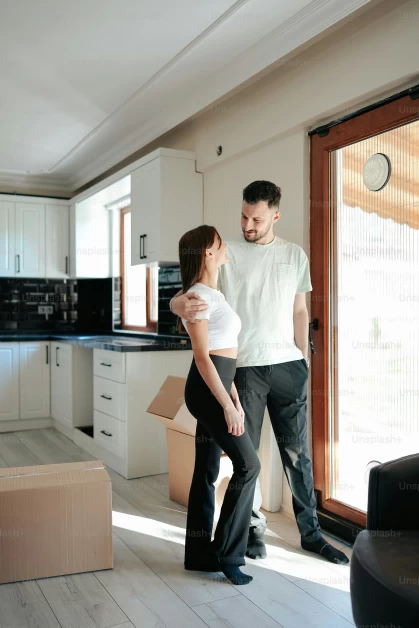
When you sell your house, it is important to understand the process and what to expect. Once you have found a buyer and have a contract of sale in place, there will be a settlement date specified. Before the settlement date, you must vacate your home and ensure it is ready for the new owner. On the day of settlement, ownership of the house is transferred to the new owner, and you are no longer responsible for it.
Steps to Sell Your House
Selling your house involves several steps that you need to follow to ensure a smooth and successful sale. Whether you decide to use a real estate agent or sell privately, the process remains largely the same. Here’s a step-by-step guide to help you sell your home in Australia:
1. Research Comparable Homes
Before setting a price for your home, it is essential to research other similar properties in your area and their sale prices. This will give you an idea of the market value and help you determine a realistic asking price. Attend open home inspections in your area to compare your home to others on the market.
2. Choose a Selling Method
Once you have done your research, you can decide whether to sell your home with a real estate agent or sell privately. Selling privately, also known as “for sale by owner,” allows you to save on agent commissions but requires more effort on your part. Consider the pros and cons of each option and choose the method that aligns with your goals and preferences.
3. Prepare Your Home for Sale
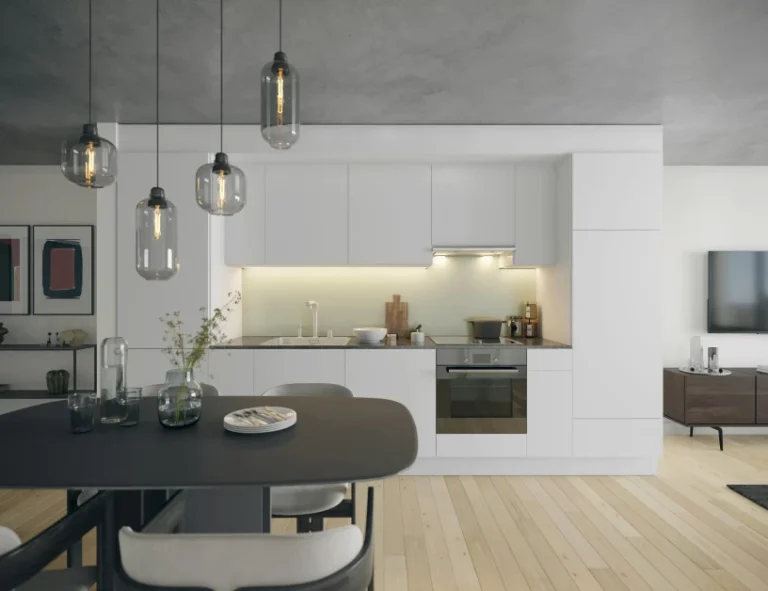
To attract potential buyers, you need to ensure your home is in its best possible condition. Start by decluttering and depersonalizing the space, as this will make it easier for buyers to envision themselves living there. Make any necessary repairs or improvements to enhance the appeal of your home. Consider staging your home or hiring a professional photographer to showcase its best features.
4. Set an Asking Price
Based on your research and the condition of your home, determine a competitive asking price. Consider factors such as location, size, amenities, and recent sales in your area. It’s important to find the right balance between attracting buyers and maximizing your profit. You may also want to consider getting a professional valuation to ensure an accurate asking price.
5. Market Your Home
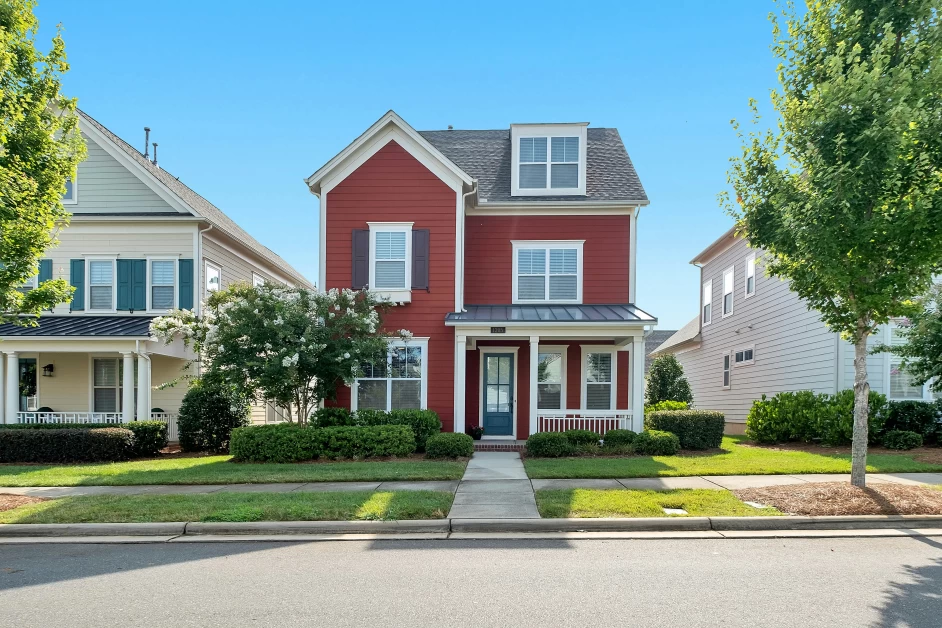
Regardless of the selling method you choose, effective marketing is crucial to attract potential buyers. If you’re working with an agent, they will handle most of the marketing for you. However, if you’re selling privately, you’ll need to take charge of promoting your home. Use online listing platforms, social media, and traditional advertising methods to reach a wide audience. Include high-quality photos and detailed descriptions to showcase your home’s unique features.
6. Negotiate and Accept an Offer
When you receive an offer from a potential buyer, you have the option to accept, reject, or negotiate the terms. If the offer meets your expectations, you can proceed with the negotiation process to finalize the sale. It is advisable to seek legal advice during this stage to ensure the terms and conditions of the contract are fair and favorable to you.
7. Prepare for Settlement
Once you have accepted an offer and have a contract of sale in place, it’s time to prepare for the settlement. This involves organizing necessary documents, such as title deeds and transfer forms, and ensuring any outstanding mortgages or liens on the property are cleared. You may need to engage a solicitor or conveyancer to handle the legal aspects of the sale and guide you through the settlement process.
8. Vacate Your Home
Before the settlement date, you must vacate your home and ensure it is ready for the new owner. This includes removing all personal belongings, cleaning the property, and completing any agreed-upon repairs or maintenance. It is important to leave the property in the condition specified in the contract to avoid any delays or disputes during the settlement process.
9. Settle the Sale
On the day of settlement, the ownership of the property is officially transferred to the new owner. This is typically done through a settlement agent or conveyancer who coordinates the exchange of funds and legal documents between the buyer and seller. Once the settlement is complete, you will receive the agreed-upon sale price, minus any outstanding fees or expenses.
Conclusion
Selling your home in Australia requires careful planning and preparation. Whether you choose to sell with an agent or sell privately, following these steps will help you navigate the selling process with confidence. Remember to do your research, set a realistic asking price, market your home effectively, and seek professional advice when needed. By taking the necessary steps and being proactive, you can achieve a successful sale and move on to the next chapter of your life.