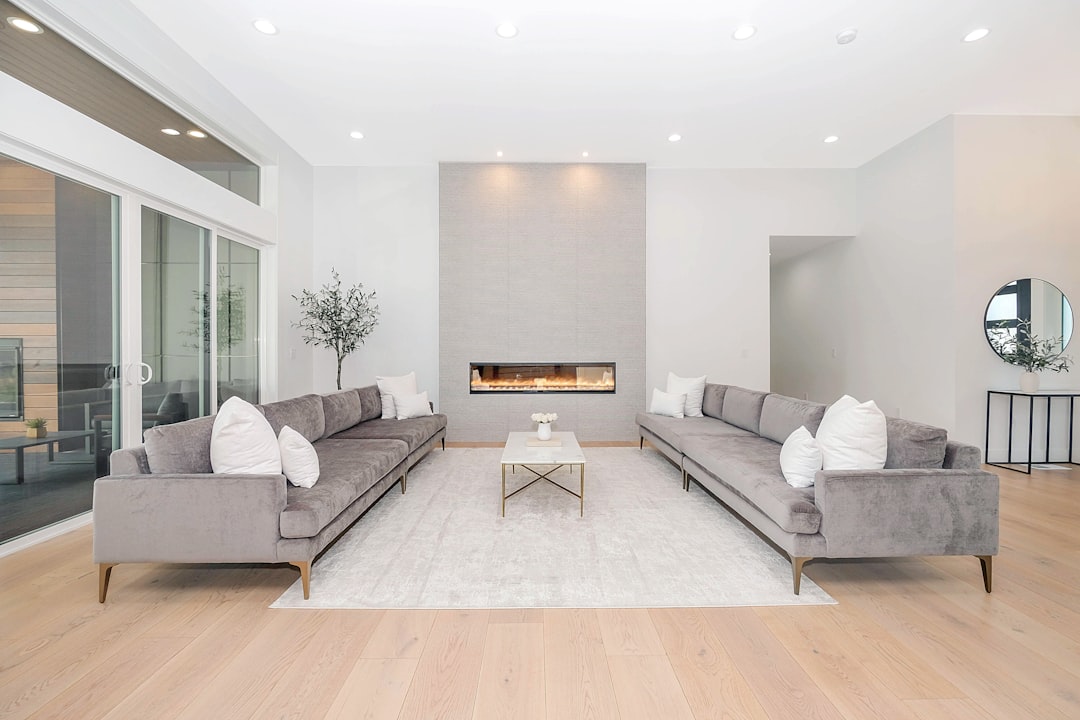
Choosing the right decor to attract buyers
Understanding the target audience is crucial when designing a space. Whether it is a home, office or commercial space, knowing who will be using the area and their preferences is essential for creating a design that resonates with them. For instance, if the target audience is a young, trendy demographic, the design should reflect modern and contemporary elements.
Conversely, if the target audience is more traditional and conservative, the design should incorporate classic and timeless features. Understanding the target audience also involves considering their lifestyle, needs and habits. For example, if the space is intended for a family with young children, the design should prioritise durability, safety and functionality.
In contrast, if the space is for a single professional, the design can focus more on aesthetics and sophistication. By understanding the target audience, designers can tailor their approach to create a space that not only looks good but also meets the specific needs and preferences of those who will be using it. Understanding the target audience also involves considering their cultural background and values.
Different cultures have different design aesthetics and symbolism that should be taken into account when designing a space. For example, in some cultures, certain colours or patterns may have specific meanings or connotations that should be considered in the design. Additionally, understanding the target audience also means being aware of any accessibility or inclusivity considerations.
Designing a space that is accessible to people of all abilities and inclusive of diverse backgrounds is not only ethical but also essential for creating a welcoming and functional environment. Ultimately, understanding the target audience is about empathy and putting oneself in the position of those who will be using the space. By doing so, designers can create spaces that are not only visually appealing but also meaningful and impactful for the people who inhabit them.
Summary
- Understanding the target audience is crucial for effective design
- Emphasising neutral tones can create a calming and versatile space
- Highlighting key features draws attention to the most important elements
- Incorporating natural elements brings a sense of tranquillity and connection to the outdoors
- Utilising lighting can create ambiance and enhance the overall atmosphere
- Decluttering and simplifying spaces can create a sense of openness and tranquillity
- Adding personal touches can make a space feel more inviting and unique
Emphasising Neutral Tones
The Benefits of Neutral Tones
Additionally, neutral tones can make a space feel larger and more open, which is especially beneficial in smaller or more confined areas. Emphasising neutral tones also allows for greater flexibility in terms of decor and furnishings. Since neutrals are so versatile, they can easily complement a variety of styles and colour schemes, making it easier to update or change the look of a space without having to overhaul the entire design.
Avoiding Blandness
Emphasising neutral tones doesn’t mean creating a bland or uninspired space. On the contrary, neutral tones can provide a sophisticated and elegant backdrop for more impactful design elements to shine. By using neutral tones as a foundation, designers can then layer in textures, patterns, and pops of colour to add visual interest and personality to the space.
Adding Visual Interest
For example, a neutral living room can be brought to life with a plush rug, vibrant throw pillows, and eye-catching artwork. Emphasising neutral tones also allows for greater emphasis on natural light and architectural features. Since neutrals are not competing for attention, they allow the eye to focus on the interplay of light and shadow in the space, as well as any interesting architectural details or materials.
Ultimately, emphasising neutral tones in interior design is about creating a timeless and versatile canvas that can be tailored to suit any style or preference.
Highlighting Key Features
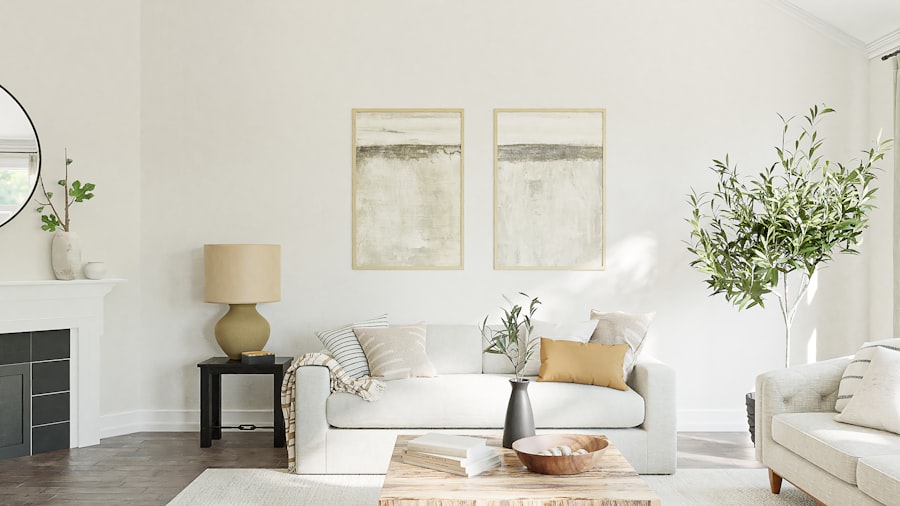
Highlighting key features in interior design is about drawing attention to the most distinctive and noteworthy elements of a space. Whether it’s an architectural detail, a piece of furniture, or a stunning view, highlighting key features can elevate the overall design and create focal points that capture the eye. One way to highlight key features is through strategic placement and emphasis.
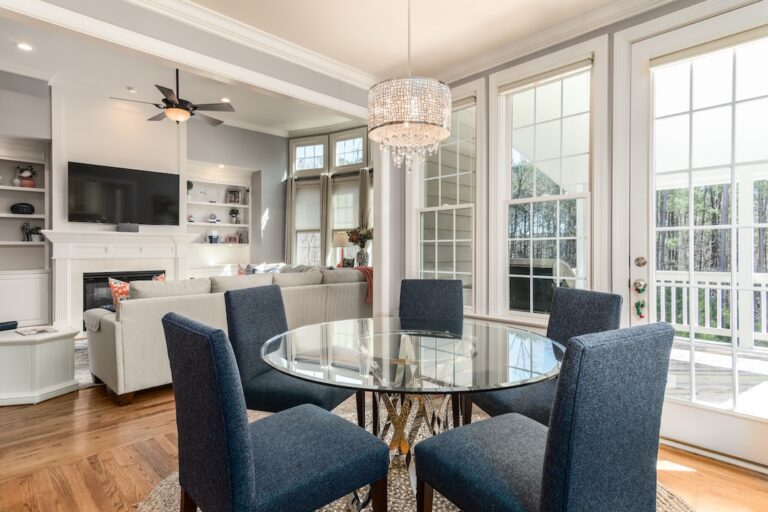
For example, if a room has a striking fireplace or an expansive window with a beautiful view, arranging the furniture to frame and showcase these features can draw attention to them and make them stand out. Similarly, using lighting to illuminate key features can create a sense of drama and visual interest. For instance, highlighting artwork with directional spotlights or installing pendant lights above a statement dining table can draw attention to these elements and create a sense of importance within the space.
Another way to highlight key features is through contrast and emphasis. By using contrasting colours, textures, or materials, designers can create visual interest and draw attention to specific elements in the space. For example, placing a bold-coloured sofa against a neutral backdrop or using a different flooring material to delineate a specific area can create contrast and make key features stand out.
Additionally, using scale and proportion to highlight key features can create a sense of hierarchy and importance within the space. For instance, using oversized pendant lights in a high-ceilinged room or placing an imposing piece of furniture in a prominent position can draw attention to these elements and create a sense of drama. Ultimately, highlighting key features in interior design is about creating moments of impact and visual intrigue that enhance the overall aesthetic and experience of the space.
Incorporating Natural Elements
Incorporating natural elements into interior design can create a sense of warmth, tranquillity, and connection to the outdoors. Natural elements such as wood, stone, plants, and water can bring a sense of earthiness and authenticity to a space, making it feel more inviting and harmonious. One way to incorporate natural elements is through materials and finishes.
Using natural materials such as hardwood floors, stone countertops, or rattan furniture can add texture and visual interest while creating a connection to the natural world. Additionally, incorporating natural patterns such as wood grain or marble veining can add depth and character to the design. Another way to incorporate natural elements is through biophilic design, which seeks to bring elements of nature into built environments.
This can include incorporating indoor plants, natural light, or views of nature into the design to create a sense of wellbeing and connection to the natural world. Incorporating natural elements also involves considering sustainability and environmental impact. Using eco-friendly materials, energy-efficient systems, and sustainable practices can not only reduce the environmental footprint of a space but also create a healthier and more responsible environment for its occupants.
Additionally, incorporating natural elements can also have psychological benefits. Research has shown that exposure to nature can reduce stress, improve cognitive function, and enhance overall wellbeing. By bringing natural elements into interior design, designers can create spaces that promote health and happiness for those who inhabit them.
Ultimately, incorporating natural elements into interior design is about creating spaces that are not only visually appealing but also sustainable, healthy, and connected to the natural world.
Utilising Lighting to Create Ambiance
Utilising lighting to create ambiance in interior design is essential for setting the mood and enhancing the overall atmosphere of a space. Different types of lighting – such as ambient lighting, task lighting, and accent lighting – serve different purposes and can be used in combination to create layers of light that contribute to the ambiance of a space. Ambient lighting provides overall illumination and sets the general tone for a room.
This can be achieved through ceiling fixtures, recessed lighting, or wall sconces that provide even and diffused light throughout the space. Task lighting serves a more functional purpose by providing focused illumination for specific activities such as reading or cooking. This can include desk lamps, under-cabinet lighting, or pendant lights over work areas.
Accent lighting is used to highlight specific features or create visual interest within the space. This can include track lighting for artwork, uplighting for plants, or decorative fixtures that add sparkle and drama. Utilising lighting to create ambiance also involves considering colour temperature and intensity.
Warm-coloured light (such as soft white or warm white) creates a cosy and inviting atmosphere, while cool-coloured light (such as daylight or cool white) can create a more energising and refreshing ambiance. Additionally, adjusting the intensity of light – whether through dimmer switches or adjustable fixtures – allows for greater control over the mood of the space. Utilising natural light is also an important aspect of creating ambiance in interior design.
Maximising natural light through strategically placed windows, skylights, or reflective surfaces can create a sense of openness and connection to the outdoors while reducing reliance on artificial lighting. Ultimately, utilising lighting to create ambiance in interior design is about creating an environment that not only looks good but also feels good – one that supports various activities while evoking specific emotions and experiences.
Decluttering and Simplifying Spaces
Thoughtful Storage Solutions
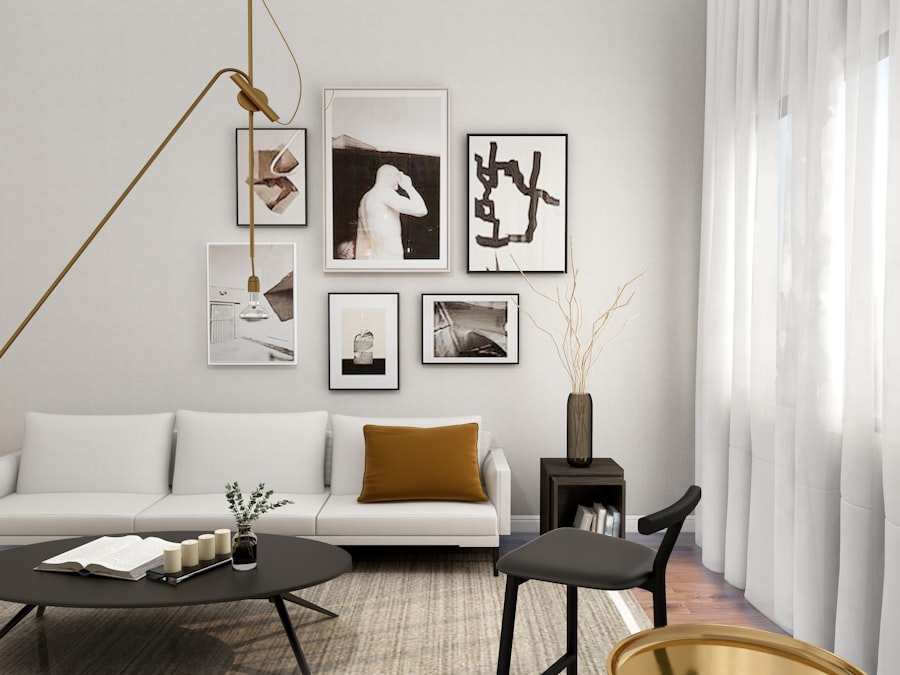
One way to declutter and simplify spaces is through thoughtful storage solutions. Incorporating built-in storage such as cabinets, shelves, or drawers allows for items to be neatly stowed away while keeping surfaces clear and uncluttered. Additionally, using multi-functional furniture with hidden storage compartments can maximise space while reducing visual clutter.
Edit and Curate
Another way to declutter and simplify spaces is through thoughtful editing of decor and furnishings. By carefully curating accessories and furniture pieces, designers can create a more cohesive and intentional look that feels less chaotic and overwhelming. This involves prioritising quality over quantity and choosing pieces that serve both functional and aesthetic purposes.
Designated Zones and Balance
Additionally, creating designated zones for specific activities – such as work areas or relaxation corners – helps to maintain order and purpose within the space. Ultimately, decluttering and simplifying spaces in interior design is about creating an environment that feels balanced, unencumbered by excess belongings, and conducive to peace of mind.
Adding Personal Touches
Adding personal touches in interior design is about infusing a space with individuality, character, and warmth. Personal touches can come in many forms – from family photographs to cherished heirlooms to custom artwork – all of which contribute to creating an environment that feels uniquely personal and meaningful. One way to add personal touches is through customisation.
Whether it’s custom furniture pieces tailored to specific preferences or bespoke finishes that reflect individual tastes, incorporating custom elements into the design adds a sense of exclusivity and personalisation. Another way to add personal touches is through meaningful decor items that tell a story or evoke memories. This could include travel souvenirs collected from around the world, handmade crafts from local artisans, or vintage finds with sentimental value.
These items not only add visual interest but also serve as conversation starters that reflect the personality and experiences of the occupants. Adding personal touches also involves considering functionality alongside personalisation – ensuring that these elements not only look good but also serve practical purposes within the space. Ultimately, adding personal touches in interior design is about creating an environment that feels authentic, inviting, and reflective of those who inhabit it – one that tells a story and resonates with personal meaning.
In conclusion… Understanding the target audience is crucial for tailoring designs to meet specific needs
Emphasising neutral tones creates timeless backdrops for versatile designs
Highlighting key features draws attention to distinctive elements within spaces
Incorporating natural elements brings warmth and authenticity into designs
Utilising lighting creates ambiance by setting moods within spaces
Decluttering simplifies spaces by creating serene environments
Adding personal touches infuses designs with individuality
By incorporating these principles into interior design practices designers can create spaces that are not only visually appealing but also meaningful,functional,and impactful for those who inhabit them
FAQs
What is the importance of decor in attracting buyers?
Decor plays a crucial role in attracting buyers as it helps create a welcoming and appealing atmosphere. It can also help potential buyers envision themselves living in the space.
What are some key factors to consider when choosing decor to attract buyers?
When choosing decor to attract buyers, it’s important to consider the current trends, the target market, the style of the property, and the overall ambiance you want to create.
How can decor be used to highlight the best features of a property?
Decor can be used strategically to highlight the best features of a property by drawing attention to architectural details, creating focal points, and enhancing the overall aesthetic appeal.
What are some popular decor trends that appeal to buyers?
Some popular decor trends that appeal to buyers include neutral color palettes, natural materials, minimalist design, and sustainable or eco-friendly elements.
How can decor be used to create a sense of space and light in a property?
Decor can be used to create a sense of space and light in a property by using mirrors to reflect light, choosing light and airy furnishings, and keeping the overall design uncluttered and open.
What are some common mistakes to avoid when choosing decor to attract buyers?
Common mistakes to avoid when choosing decor to attract buyers include over-personalizing the space, using overly bold or polarizing design choices, and neglecting the importance of cleanliness and organization.