Mastering the Art of Home Selling: A Comprehensive Guide on How to Sell Your Home
Introduction
Selling a home can be a complex and overwhelming process. From understanding the real estate market to preparing your home for sale, pricing it right, marketing it effectively, and navigating negotiations and the closing process, there are many factors to consider. In order to have a successful home sale, it is important to have a solid understanding of the process and to be prepared every step of the way.
Understanding the real estate market is crucial when selling your home. The market conditions can greatly impact the price you can sell your home for and how quickly it will sell. By researching the local market and understanding buyer behavior, you can position your home in a way that attracts potential buyers and maximizes your chances of a successful sale.
Understanding the Real Estate Market: A Key to Selling Your Home
There are several factors that can affect the real estate market. These include economic conditions, interest rates, supply and demand, and local market trends. Economic conditions such as job growth, inflation rates, and consumer confidence can all impact the real estate market. Interest rates also play a significant role in the housing market, as they affect the affordability of homes for buyers. Supply and demand dynamics can vary from one area to another, with some markets experiencing high demand and low inventory, while others may have an oversupply of homes. Local market trends such as new developments or changes in demographics can also influence the real estate market.
Researching the local market is essential when selling your home. This involves looking at recent sales data for comparable properties in your area, known as comparables or “comps.” By analyzing these comps, you can get an idea of what similar homes are selling for and how long they are staying on the market. This information can help you determine a realistic listing price for your home. It is also important to understand buyer behavior in your local market. This includes knowing what features and amenities buyers are looking for, as well as their preferences in terms of location and price range. By understanding buyer behavior, you can tailor your marketing efforts to attract the right buyers for your home.
Preparing Your Home for Sale: Tips and Tricks for a Successful Sale
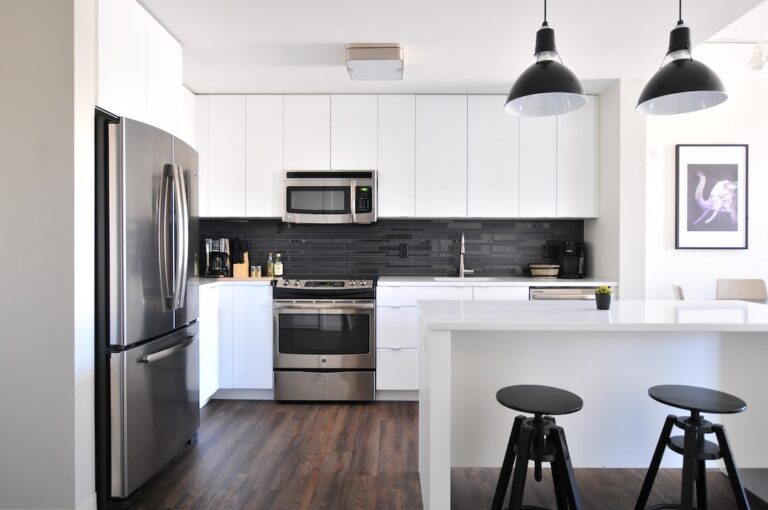
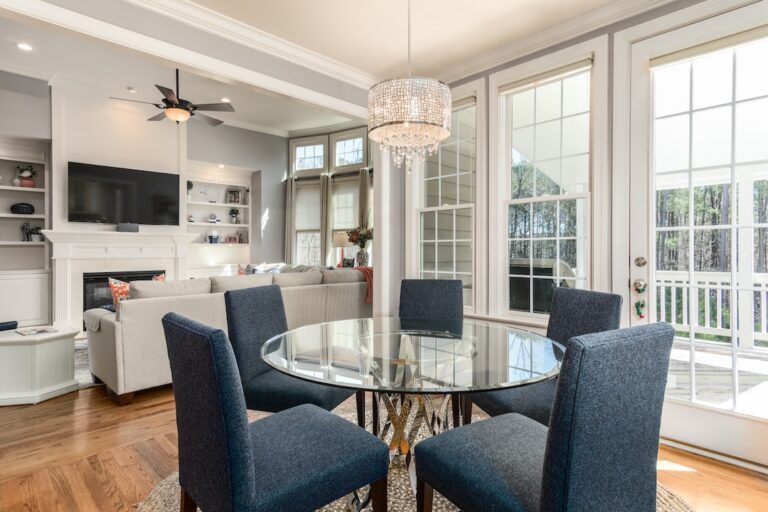
Preparing your home for sale is an important step in the home selling process. First impressions are crucial, so it is important to make sure your home is clean, decluttered, and staged properly. Home staging involves arranging furniture and decor in a way that highlights the best features of your home and creates a welcoming atmosphere for potential buyers. This can involve rearranging furniture, adding fresh paint or new accessories, and removing personal items to create a neutral and appealing space.
In addition to staging, it is also important to make any necessary repairs and renovations before listing your home. This can include fixing leaky faucets, repairing broken appliances, or updating outdated fixtures. While major renovations may not always be necessary, small updates can go a long way in making your home more attractive to buyers. It is also important to thoroughly clean your home before showings or open houses. This includes deep cleaning carpets, scrubbing bathrooms and kitchens, and dusting all surfaces. A clean and well-maintained home will make a positive impression on potential buyers.
Setting the Right Price: How to Price Your Home to Sell
Setting the right price for your home is crucial when selling. Pricing too high can deter potential buyers, while pricing too low can leave money on the table. There are several factors that can affect home pricing, including location, size, condition, and recent sales data in your area. By considering these factors and working with a real estate agent or appraiser, you can determine the value of your home and set a realistic listing price.
One way to determine the value of your home is by looking at recent sales data for comparable properties in your area. These comps should be similar in terms of size, condition, and location to your home. By comparing the sale prices of these properties, you can get an idea of what buyers are willing to pay for homes like yours. It is also important to consider the current market conditions when pricing your home. If it is a seller’s market with high demand and low inventory, you may be able to price your home slightly higher. However, if it is a buyer’s market with low demand and high inventory, you may need to price your home competitively to attract buyers.
Pricing strategies to consider include pricing slightly below market value to generate multiple offers and create a sense of urgency among buyers. Another strategy is pricing at market value and being open to negotiations. This allows room for buyers to make offers and potentially negotiate a higher price. Ultimately, the right pricing strategy will depend on the specific market conditions and your goals as a seller.
Marketing Your Home: Strategies to Attract Potential Buyers
Marketing your home effectively is crucial in attracting potential buyers. In today’s digital age, having a strong online presence is essential. This includes creating high-quality photos and videos of your home, writing compelling descriptions, and utilizing online listing platforms and social media channels to reach a wide audience. Professional photography can make a significant difference in how your home is perceived online, so it is worth investing in this aspect of marketing.
In addition to online marketing, traditional marketing methods can also be effective in reaching potential buyers. This includes hosting open houses, distributing flyers or brochures in the neighborhood, and advertising in local newspapers or real estate magazines. It is important to showcase your home’s best features in all marketing materials and highlight any unique selling points that set your home apart from others on the market.
Working with a Real Estate Agent: Choosing the Right Agent for Your Home Sale
Working with a real estate agent can greatly simplify the home selling process and increase your chances of a successful sale. A good agent will have a deep understanding of the local market, access to a wide network of potential buyers, and the negotiation skills necessary to get you the best deal. When choosing an agent, it is important to consider their experience, track record, and knowledge of your specific market.
One way to find a reputable agent is by asking for recommendations from friends, family, or neighbors who have recently sold their homes. You can also research agents online and read reviews or testimonials from past clients. It is important to interview multiple agents and ask them about their marketing strategies, communication style, and how they plan to price and market your home. By choosing an agent who aligns with your goals and has a proven track record of success, you can feel confident in their ability to sell your home.
Negotiating the Sale: How to Get the Best Deal for Your Home
Negotiating the sale of your home is an important step in the home selling process. It is important to approach negotiations with a clear understanding of your goals and priorities. This includes knowing your bottom line in terms of price and being prepared to walk away if the terms are not favorable.
Tips for successful negotiations include being open to offers and counteroffers, maintaining good communication with the buyer or their agent, and being willing to compromise on certain terms if necessary. It is also important to be aware of any contingencies or conditions that may be included in the offer, such as financing or inspection contingencies. Your real estate agent can guide you through the negotiation process and help you navigate any challenges that may arise.
If you receive multiple offers on your home, it is important to carefully consider each offer and weigh the pros and cons. This may involve looking at factors such as the offer price, financing terms, contingencies, and closing timeline. Your agent can help you evaluate each offer and determine which one is the best fit for your needs.
In some cases, negotiations may fall through and the sale may not proceed as planned. This can be disappointing, but it is important to stay positive and continue marketing your home to attract new buyers. Your agent can help you navigate any challenges that arise and work towards finding a new buyer for your home.
Closing the Sale: What You Need to Know About the Home Selling Process
The closing process is the final step in the home selling process. It involves signing all necessary paperwork, transferring ownership of the property, and receiving payment for your home. The closing process typically takes place at a title company or attorney’s office and involves several parties, including the buyer, seller, real estate agents, and any lenders involved in the transaction.
On closing day, you will need to bring all necessary documents, such as your identification, copies of the purchase agreement, and any other paperwork required by your state or local jurisdiction. The buyer will also need to bring their identification and any necessary funds for closing costs or down payment.
Common closing costs to consider include real estate agent commissions, title insurance fees, attorney fees, transfer taxes, and any outstanding mortgage balances or liens on the property. Your agent or attorney can provide you with an estimate of these costs prior to closing so you can plan accordingly.
Dealing with Home Inspections: How to Handle Inspection Results
Home inspections are a standard part of the home buying process and can play a significant role in negotiations. It is important to understand the home inspection process and how to handle inspection results in order to have a successful sale.
During a home inspection, a licensed inspector will evaluate the condition of your home and identify any potential issues or areas of concern. This can include structural issues, electrical or plumbing problems, or safety hazards. The inspector will then provide a detailed report outlining their findings.
If the inspection reveals any major issues, it is important to address them promptly and transparently. This may involve making necessary repairs or offering a credit to the buyer to cover the cost of repairs. Your real estate agent can help you negotiate with the buyer and come to a resolution that is fair for both parties.
Handling Appraisals: Tips for a Successful Appraisal Process
Home appraisals are another important step in the home selling process. An appraisal is an unbiased assessment of your home’s value conducted by a licensed appraiser. The appraiser will evaluate factors such as the size, condition, location, and recent sales data of comparable properties in your area to determine the fair market value of your home.
To prepare for an appraisal, it is important to make sure your home is clean and well-maintained. It can also be helpful to provide the appraiser with any recent updates or improvements you have made to the property. Your real estate agent can also provide the appraiser with information about recent sales in your area that support your listing price.
If the appraisal comes in lower than expected, it can create challenges in the sale process. In this case, you may need to renegotiate the price with the buyer or consider other options such as offering a credit or appealing the appraisal. Your real estate agent can guide you through this process and help you determine the best course of action.
Moving On: What to Do After You Sell Your Home
After you sell your home, there are several things you will need to do to ensure a smooth transition. This includes packing up your belongings, coordinating with movers or rental trucks, and transferring utilities and services to your new address. It is also important to update your address with any necessary organizations or institutions, such as banks, insurance companies, and the post office.
Once you receive the proceeds from the sale of your home, it is important to carefully consider how to use this money. This may involve paying off any outstanding debts, saving for a down payment on your next home, or investing the money for future financial goals. It is important to consult with a financial advisor or accountant to determine the best course of action based on your individual circumstances.
If you plan to purchase a new home after selling, it is important to start preparing as soon as possible. This includes getting pre-approved for a mortgage, researching neighborhoods and properties, and working with a real estate agent to find your next dream home. By being proactive and prepared, you can make the transition from selling to buying as smooth as possible.
Conclusion
Selling a home can be a complex and challenging process, but with the right knowledge and preparation, it can also be a rewarding experience. By understanding the real estate market, preparing your home for sale, pricing it right, marketing it effectively, and navigating negotiations and the closing process, you can increase your chances of a successful sale. Working with a real estate agent who has experience in your local market can also greatly simplify the process and provide valuable guidance along the way. So take action today and start the home selling process with confidence!