Mastering the Art of Selling Your House by Owner: A Comprehensive Guide
Introduction
Selling a house by owner can be a daunting task, but with the right knowledge and preparation, it can also be a rewarding experience. By taking on the responsibility of selling your own home, you have the opportunity to save money on real estate agent fees and have more control over the entire process. However, it is important to understand the pros and cons before making a decision. In this article, we will explore the various aspects of selling a house by owner and provide tips and strategies to help you navigate through the process successfully.
Understanding the Pros and Cons of Selling Your House by Owner
Selling your house by owner has several advantages. One of the biggest benefits is saving money on real estate agent fees, which can range from 5% to 6% of the sale price. By eliminating this cost, you can potentially save thousands of dollars. Additionally, selling by owner gives you more control over the entire process. You can set your own schedule for showings, negotiate directly with potential buyers, and make decisions without having to consult with an agent.
However, there are also disadvantages to selling by owner. One of the main challenges is lack of experience. Real estate agents have years of knowledge and expertise in pricing homes, marketing strategies, and negotiating deals. Without this experience, you may find it difficult to navigate through the complexities of the real estate market. Another disadvantage is that selling by owner can be time-consuming. You will need to invest a significant amount of time in marketing your home, hosting open houses, and negotiating with potential buyers.
Preparing Your House for Sale: Tips and Tricks
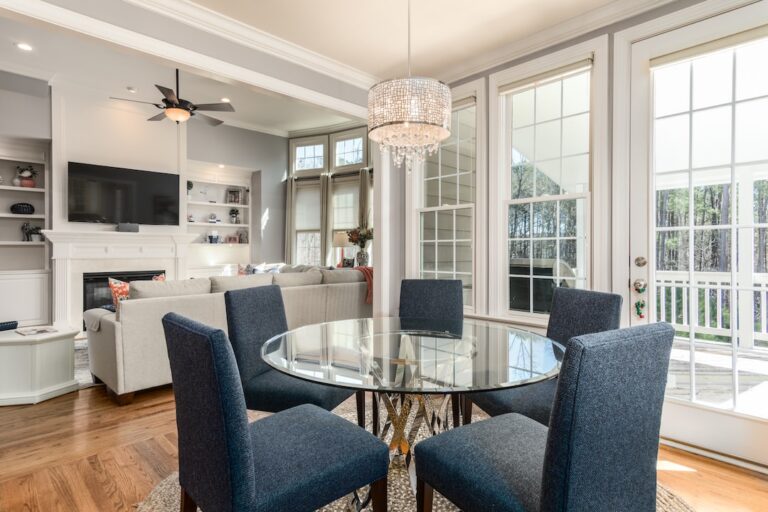
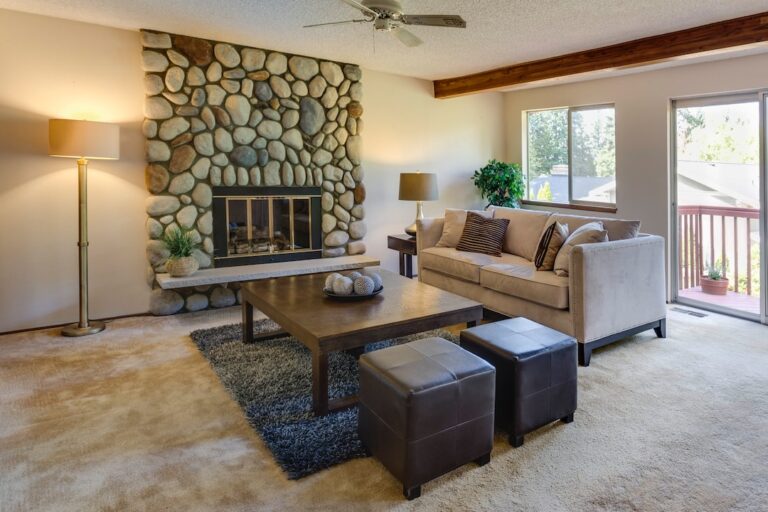
Before listing your home for sale, it is important to make a good first impression. Potential buyers form an opinion about a property within seconds of seeing it, so it is crucial to create an inviting and appealing atmosphere. Start by decluttering your home and removing personal items such as family photos and excessive decorations. This will help potential buyers envision themselves living in the space. Next, thoroughly clean your home, paying attention to details such as windows, floors, and bathrooms. Finally, consider staging your home to showcase its best features. This can involve rearranging furniture, adding fresh flowers, and creating a warm and welcoming ambiance.
Setting the Right Price: How to Determine Your Home’s Value
Setting the right price for your home is crucial in attracting potential buyers. There are several factors that can affect your home’s value, including location, size, condition, and recent sales in the area. To determine the right price, you can start by conducting a comparative market analysis (CMA). This involves researching recent sales of similar homes in your area to get an idea of what buyers are willing to pay. You can also use online tools such as Zillow or Redfin to get an estimate of your home’s value based on recent sales data. It is important to be realistic and objective when setting the price, as overpricing can deter potential buyers.
Marketing Your Home: Effective Strategies for Attracting Buyers
Marketing your home effectively is essential in attracting potential buyers. One of the most important aspects of marketing is creating a strong online presence. Start by taking high-quality photos of your home that showcase its best features. You can also create a virtual tour or video walkthrough to give potential buyers a better sense of the layout and flow of the property. Next, list your home on popular real estate websites such as Zillow, Trulia, and Realtor.com. These platforms have a wide reach and can help you attract a larger pool of potential buyers.
In addition to online marketing, hosting open houses can also be an effective strategy for attracting buyers. Open houses allow potential buyers to see the property in person and ask questions directly. To make your open house successful, make sure to advertise it in advance through online listings, social media, and local newspapers. On the day of the open house, create a welcoming atmosphere by setting out refreshments and providing informational brochures about the property.
Negotiating with Buyers: Techniques for Getting the Best Deal
Negotiating with potential buyers is an important part of the selling process. Start by setting clear goals and priorities for the sale. Determine your bottom line and be prepared to walk away if the offer does not meet your expectations. When negotiating, it is important to listen to the buyer’s concerns and be open to compromise. Look for win-win solutions that benefit both parties. If you receive a counteroffer, take your time to carefully consider it before responding. It is also helpful to have a real estate attorney review any offers or counteroffers to ensure that your interests are protected.
Handling Legal Aspects: Essential Documents You Need to Prepare
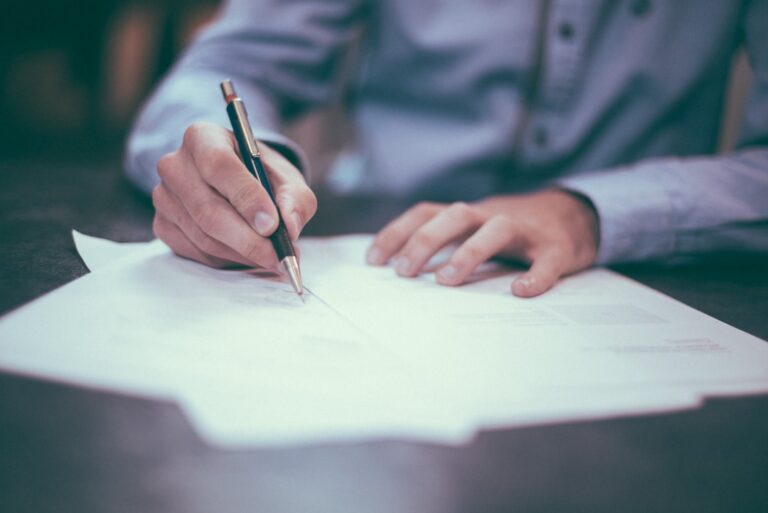
Selling a home involves several legal aspects that need to be addressed. It is important to familiarize yourself with these aspects and prepare the necessary documents in advance. One of the most important documents is the purchase agreement, which outlines the terms and conditions of the sale. This document should include details such as the purchase price, closing date, and any contingencies or conditions of the sale. Additionally, you will need to provide disclosure forms that detail any known issues or defects with the property. These forms vary by state, so it is important to research and comply with local regulations.
Home Inspections: What to Expect and How to Handle Them
Home inspections are a standard part of the selling process and are typically conducted by a professional inspector hired by the buyer. The purpose of a home inspection is to identify any potential issues or defects with the property. It is important to prepare for a home inspection by addressing any known issues in advance. This can involve making necessary repairs or obtaining estimates for repairs that may be needed. During the inspection, it is important to give the inspector access to all areas of the property and to be available to answer any questions. After the inspection, you may receive a report outlining any issues that were found. It is important to carefully review this report and determine how you will address any necessary repairs or negotiations with the buyer.
Closing the Deal: Final Steps to Complete the Sale
Closing the deal involves several final steps to complete the sale. One of the most important steps is to ensure that all necessary paperwork is completed and signed by both parties. This includes the purchase agreement, disclosure forms, and any other legal documents required by your state. Additionally, you will need to coordinate with the buyer’s lender and title company to ensure a smooth closing process. This may involve providing additional documentation or addressing any issues that arise during the underwriting process. Finally, on the day of closing, you will need to sign the final documents and transfer ownership of the property to the buyer.
Dealing with Challenges: Common Problems and How to Overcome Them
Selling a house by owner can come with its fair share of challenges. One common problem is attracting qualified buyers who are serious about purchasing a home. To overcome this challenge, it is important to market your home effectively and target your advertising towards potential buyers who are actively looking for a property. Another challenge is handling negotiations and counteroffers. It is important to stay calm and objective during these negotiations and be willing to compromise when necessary. If you encounter any legal or financial challenges during the selling process, it may be helpful to consult with a real estate attorney who can provide guidance and support.
Moving On: Tips for Saying Goodbye to Your Home and Starting Fresh
Selling a home can be an emotional process, especially if you have lived in the property for a long time or have created memories there. It is important to prepare yourself emotionally for the sale and to say goodbye to your home in a healthy way. Take the time to reflect on the memories and experiences you have had in the home and acknowledge any feelings of sadness or nostalgia. It can also be helpful to create a ritual or ceremony to symbolize the closing of this chapter in your life. Finally, focus on the future and the exciting possibilities that await you in your new home or next chapter.
Conclusion
Selling a house by owner can be a challenging but rewarding experience. By understanding the pros and cons, preparing your home for sale, setting the right price, marketing effectively, negotiating with buyers, handling legal aspects, and overcoming challenges, you can successfully navigate through the selling process. Remember to take the time to emotionally prepare for saying goodbye to your home and focus on the exciting possibilities that await you in your next chapter. With the right knowledge and preparation, you can sell your home by owner with confidence and achieve a successful sale.