Maximizing Your Home’s Potential: Tips from a Real Estate Listing Agent
Introduction: What Does Maximizing Your Home’s Potential Mean?
When it comes to selling your home, maximizing its potential means taking steps to enhance its appeal and value in order to attract potential buyers and secure the best possible price. This involves understanding your home’s unique selling points, improving its curb appeal, decluttering and staging the interior, making necessary repairs and upgrades, pricing it competitively, marketing it effectively, working with a real estate agent, negotiating offers, and preparing for the closing process. By following these steps, you can ensure that your home stands out in the market and attracts the right buyers.
Understanding Your Home’s Unique Selling Points: How to Identify Them
Every home has unique selling points that make it stand out from the competition. To identify these selling points, start by considering the location of your home. Is it in a desirable neighborhood? Is it close to schools, parks, or amenities? Next, think about the size and layout of your home. Does it have a spacious living area or a large backyard? Does it have any unique architectural features? Additionally, consider any recent renovations or upgrades that have been done to the property. These can also be strong selling points.
Examples of common selling points include a recently renovated kitchen or bathroom, hardwood floors, energy-efficient features such as solar panels or smart home technology, a large backyard or outdoor living space, and proximity to popular attractions or amenities.
Curb Appeal: Simple Ways to Boost Your Home’s First Impression
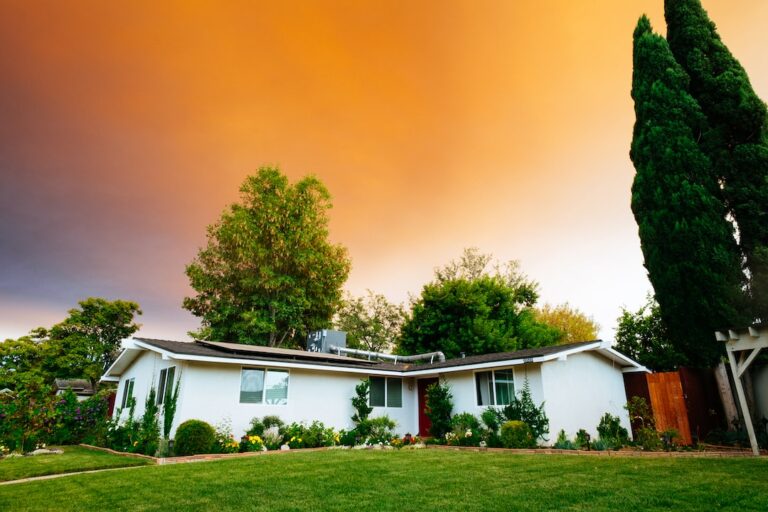
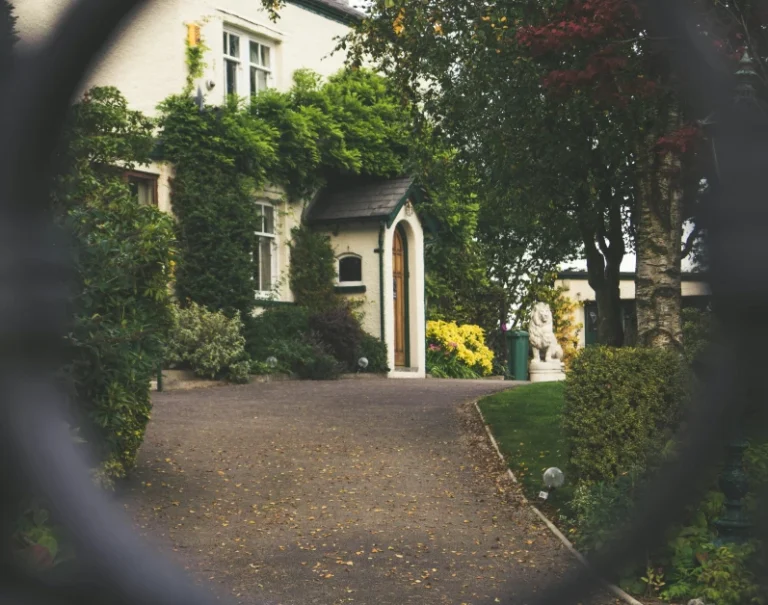
Curb appeal is crucial when it comes to attracting potential buyers. The exterior of your home is the first thing they see, so it needs to make a positive impression. Start by ensuring that your lawn is well-maintained and free of weeds. Trim any overgrown bushes or trees and add fresh mulch to flower beds. Consider adding some colorful flowers or plants to enhance the overall look.
Next, focus on the exterior of your home. Make sure the paint is in good condition and consider giving it a fresh coat if necessary. Clean the windows and replace any broken or damaged screens. Repair or replace any damaged siding or roof tiles. Finally, pay attention to the small details such as the front door and porch area. A fresh coat of paint on the front door, new house numbers, and a welcoming doormat can make a big difference.
Decluttering and Staging: How to Make Your Home Look Its Best
Decluttering and staging your home is essential to make it look its best and appeal to potential buyers. Start by decluttering each room, removing any personal items such as family photos or excessive decorations. This will help potential buyers envision themselves living in the space. Consider renting a storage unit to temporarily store any excess furniture or belongings that may be making the space feel crowded.
Once your home is decluttered, it’s time to stage it. This involves arranging furniture in a way that highlights the flow of each room and showcases its potential. Use neutral colors and minimal decor to create a clean and inviting atmosphere. Consider adding fresh flowers or plants to add a touch of life to each room. Finally, make sure your home is clean and well-maintained throughout the staging process.
Repairs and Upgrades: Which Ones Are Worth the Investment?
Making necessary repairs and upgrades can significantly increase the value of your home and attract potential buyers. Start by addressing any major repairs such as plumbing or electrical issues, roof leaks, or structural problems. These are essential for ensuring that your home is safe and in good condition.
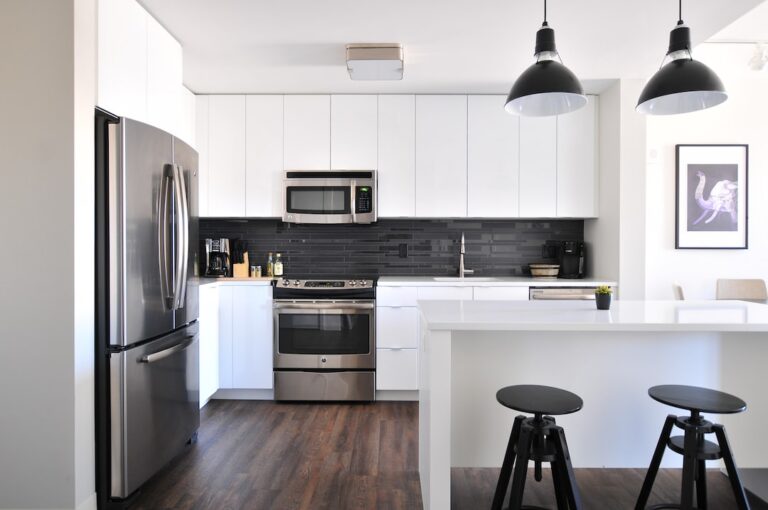
Next, consider making cosmetic upgrades that will enhance the overall appeal of your home. This could include updating outdated fixtures, replacing worn-out carpet or flooring, repainting walls in neutral colors, or upgrading appliances in the kitchen.
When deciding which repairs and upgrades to invest in, consider the potential return on investment. Focus on improvements that will have the biggest impact on the overall value of your home and appeal to a wide range of buyers.
Pricing Your Home: How to Set a Competitive Price
Setting a competitive price for your home is crucial for attracting potential buyers and securing a sale. Start by researching the local real estate market and comparing the prices of similar homes in your area. Consider factors such as location, size, condition, and amenities when determining the value of your home.
It’s also important to consider the current market conditions. If it’s a seller’s market with high demand and low inventory, you may be able to set a slightly higher price. However, if it’s a buyer’s market with more inventory and less demand, you may need to price your home more competitively.
Finally, consult with a real estate agent who has experience in your local market. They can provide valuable insights and help you determine the best price for your home based on their knowledge and expertise.
Marketing Your Home: How to Reach the Right Buyers
Effective marketing is essential for reaching the right buyers and generating interest in your home. Start by creating high-quality photos and videos that showcase the best features of your home. Consider hiring a professional photographer or videographer to ensure that your listing stands out.
Next, list your home on popular real estate websites and platforms. Provide detailed descriptions and highlight the unique selling points of your home. Consider using social media platforms to reach a wider audience and target specific demographics.
Additionally, consider hosting open houses or virtual tours to allow potential buyers to see your home in person or online. Work with your real estate agent to develop a marketing strategy that will effectively reach the right buyers and generate interest in your property.
Working with a Real Estate Agent: How to Choose the Right One for You
Working with a real estate agent can make the selling process much smoother and more efficient. They have the knowledge, experience, and resources to help you navigate the market and secure the best possible price for your home. When choosing a real estate agent, consider their experience, track record, and knowledge of your local market.
It’s also important to find an agent who understands your needs and goals. Communication is key, so make sure you feel comfortable discussing your expectations and concerns with them. Ask for references or testimonials from past clients to get a better understanding of their work ethic and professionalism.
Finally, consider the commission structure and fees associated with working with a real estate agent. Make sure you understand the terms of the agreement before signing any contracts.
Negotiating Offers: How to Get the Best Deal for Your Home
Negotiating offers is an important part of the selling process. It’s important to carefully review each offer and consider factors such as the price, contingencies, financing terms, and closing timeline. Work with your real estate agent to evaluate each offer and determine which one is the best fit for your needs.
During negotiations, be prepared to counteroffer or negotiate certain terms. This could include requesting a higher price, asking for repairs to be made before closing, or adjusting the closing timeline. Be open to compromise and work with the buyer to find a mutually beneficial agreement.
Closing the Sale: What to Expect and How to Prepare
Closing the sale is the final step in the selling process. It involves signing all necessary paperwork, transferring ownership of the property, and receiving payment for your home. It’s important to be prepared for this process and understand what to expect.
Before closing, make sure all necessary repairs have been completed and any outstanding issues have been resolved. Gather all relevant documents such as the title deed, mortgage documents, and any warranties or guarantees that will be transferred to the new owner.
During the closing process, you will need to sign various legal documents and pay any closing costs or fees. It’s important to review each document carefully and ask any questions you may have. Once all documents have been signed and funds have been transferred, the sale will be complete, and ownership of the property will be transferred to the buyer.
In conclusion, maximizing your home’s potential when selling is crucial for attracting potential buyers and securing the best possible price. By understanding your home’s unique selling points, improving its curb appeal, decluttering and staging the interior, making necessary repairs and upgrades, pricing it competitively, marketing it effectively, working with a real estate agent, negotiating offers, and preparing for the closing process, you can ensure that your home stands out in the market and attracts the right buyers.