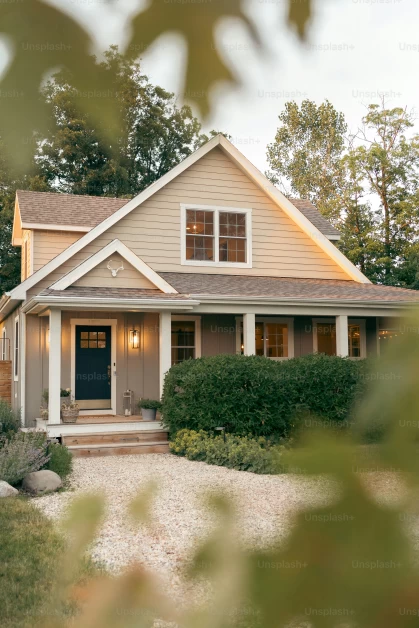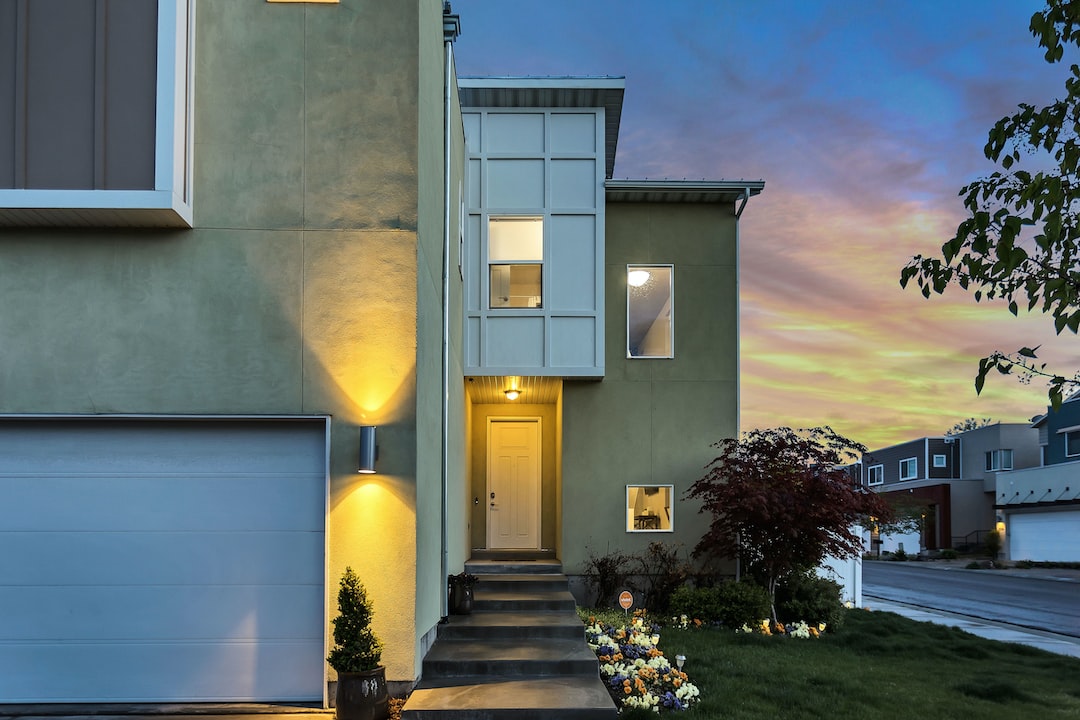
Maximizing Your Home’s Potential: Top Tips for Selling Your House Quickly and Profitably 1. Price it right: Research the local market and set a competitive price that will attract buyers. 2. Boost curb appeal: Make a great first impression by sprucing up your home’s exterior with landscaping, fresh paint, and repairs. 3. Declutter and depersonalize: Remove excess furniture and personal items to help buyers envision themselves in the space. 4. Stage strategically: Highlight your home’s best features with tasteful decor and furniture arrangements. 5. Make necessary repairs: Fix any issues that could turn off potential buyers, such as leaky faucets or broken appliances. 6. Use high-quality photos and videos: Showcase your home’s beauty and features with professional-quality visuals. 7. Market effectively: Utilize online listings, social media, and word-of-mouth to reach a wide audience of potential buyers. 8. Be flexible and accommodating: Make it easy for buyers to view your home by being open to showings and accommodating their schedules. 9. Work with a reputable real estate agent: A knowledgeable agent can guide you through the selling process and help you get the best price for your home.
Introduction
Energy efficiency in homes is becoming increasingly important as people become more aware of the environmental impact of energy consumption and the rising costs of utility bills. Homeowners who showcase energy-saving features in their homes not only contribute to a greener planet but also attract potential buyers who are looking for ways to save money on their energy bills. By highlighting these features, homeowners can demonstrate the value and benefits of living in an energy-efficient home.
Why Energy Efficiency Matters
Energy consumption in homes has a significant impact on the environment. The burning of fossil fuels for electricity and heating contributes to greenhouse gas emissions, which are a major cause of climate change. By reducing energy consumption through energy-efficient practices, homeowners can help mitigate these environmental impacts.
In addition to the environmental benefits, energy efficiency can also save homeowners money on their utility bills. Energy-saving features such as insulation, LED lighting, and smart thermostats can significantly reduce energy consumption and lower monthly expenses. For example, proper insulation can prevent heat loss in the winter and keep cool air inside during the summer, reducing the need for heating and cooling systems. LED lighting uses less energy than traditional incandescent bulbs and can last up to 25 times longer, resulting in lower electricity bills. Smart thermostats allow homeowners to control their heating and cooling systems remotely, optimizing energy usage and reducing costs.
Living in an energy-efficient home can also have health benefits. Proper insulation and air sealing can improve indoor air quality by preventing drafts and reducing the infiltration of pollutants from outside. Energy-efficient appliances and fixtures, such as low-flow showerheads and faucets, can also conserve water, which is essential for both the environment and personal health.
Energy-Saving Features to Showcase
There are several common energy-saving features found in homes that homeowners can showcase to potential buyers. These features include insulation, LED lighting, smart thermostats, energy-efficient windows, and appliances.
Insulation is one of the most effective ways to save energy in a home. It helps to keep the temperature inside consistent, reducing the need for heating and cooling systems. Homeowners can showcase their insulation by providing before-and-after utility bills that demonstrate the energy savings achieved after insulation installation. They can also provide information on the type and R-value of the insulation used, as well as any certifications or energy efficiency ratings.
LED lighting is another energy-saving feature that homeowners can showcase. LED bulbs use up to 80% less energy than traditional incandescent bulbs and can last up to 25 times longer. Homeowners can showcase their LED lighting by providing information on the energy savings achieved and the lifespan of the bulbs. They can also demonstrate the different lighting options available, such as dimmable or color-changing LED bulbs.
Smart thermostats are becoming increasingly popular as they allow homeowners to control their heating and cooling systems remotely. These thermostats learn the homeowners’ preferences and adjust the temperature accordingly, optimizing energy usage. Homeowners can showcase their smart thermostats by explaining how they work and providing information on the energy savings achieved. They can also demonstrate the remote control capabilities and any additional features, such as integration with smart home systems.
Solar Panels: A Major Selling Point
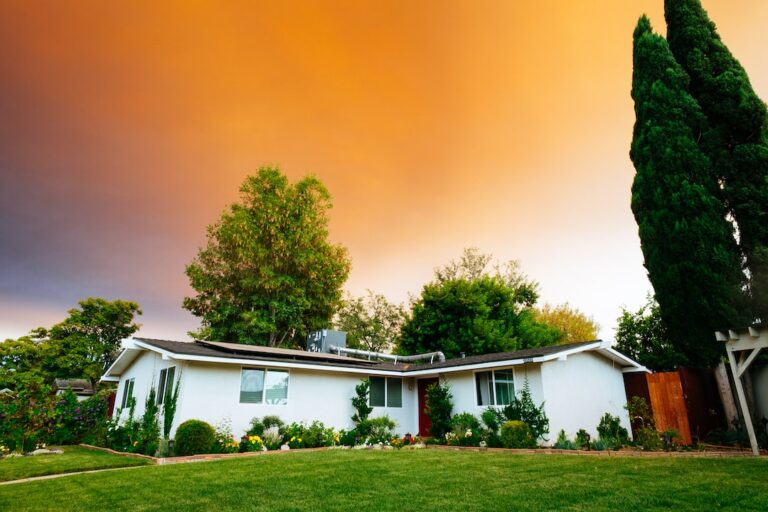
Installing solar panels in a home is a major selling point for potential buyers. Solar panels generate electricity from sunlight, reducing reliance on traditional power sources and lowering electricity bills. In addition to saving money, solar panels also have environmental benefits as they produce clean, renewable energy.
Homeowners can showcase their solar panels by highlighting the cost savings achieved through reduced electricity bills. They can provide information on the size of the solar panel system, its estimated annual energy production, and any incentives or tax credits available for solar installations. Homeowners can also explain the installation process and any maintenance requirements for the solar panels.
Other Ways to Highlight Energy Efficiency
In addition to insulation, LED lighting, smart thermostats, and solar panels, there are other ways homeowners can highlight energy efficiency in their homes. Energy-efficient appliances and fixtures, such as ENERGY STAR-rated refrigerators, dishwashers, and washing machines, can significantly reduce energy consumption.
Homeowners can showcase these appliances by highlighting their energy star rating and providing information on the estimated energy savings achieved. They can also demonstrate any additional features, such as water-saving options or smart capabilities.
Water-saving fixtures, such as low-flow showerheads and faucets, are also important for energy efficiency. These fixtures reduce water consumption, which in turn reduces the energy required for water heating. Homeowners can showcase these fixtures by providing information on their water-saving capabilities and any certifications or ratings they have.
Conclusion
Energy efficiency in homes is crucial for both the environment and homeowners’ wallets. By showcasing energy-saving features to potential buyers, homeowners can demonstrate the value and benefits of living in an energy-efficient home. From insulation and LED lighting to smart thermostats and solar panels, there are numerous ways homeowners can highlight their energy-saving features. By making their homes more energy-efficient and showcasing these features, homeowners can contribute to a greener planet and attract potential buyers who are looking for ways to save money on their utility bills.