Step Inside Your Dream Home: Experience a Virtual Open House Like Never Before
Introduction: A New Way to Experience Open Houses
In the age of technology, virtual open houses have emerged as a new and innovative way to experience the process of buying and selling homes. With the COVID-19 pandemic forcing people to stay at home and practice social distancing, virtual open houses have become increasingly popular. This article will explore the benefits of virtual open houses, how they work, the technology behind them, tips for a successful experience, what to expect during a virtual open house, the future of open houses, virtual open houses for international buyers, and the role of real estate agents in virtual open houses.
The Benefits of Virtual Open Houses
One of the key benefits of virtual open houses is the convenience factor for both buyers and sellers. Buyers can view multiple properties from the comfort of their own homes without having to travel from one location to another. This saves time and energy, especially for those who are busy or live in different cities or countries. Sellers also benefit from virtual open houses as they can showcase their properties to a wider audience without having to physically host multiple open houses.
Another significant benefit of virtual open houses is the safety aspect, especially during the COVID-19 pandemic. With social distancing measures in place, traditional in-person open houses pose a risk to both buyers and sellers. Virtual open houses eliminate this risk by allowing people to view properties remotely. This not only ensures the safety of everyone involved but also provides peace of mind during uncertain times.
Furthermore, virtual open houses have the ability to reach a wider audience. Unlike traditional open houses that are limited by physical location and time constraints, virtual open houses can be accessed by anyone with an internet connection. This opens up opportunities for international buyers who may be interested in purchasing properties in different countries or regions. Virtual open houses provide a platform for sellers to showcase their properties to a global audience, increasing their chances of finding potential buyers.
How Virtual Open Houses Work
Setting up a virtual open house involves a few key steps. First, the seller or their real estate agent needs to choose a platform to host the virtual open house. There are several options available, including video conferencing platforms like Zoom or Google Meet, as well as specialized virtual tour platforms designed specifically for real estate.
Once the platform is chosen, the seller or their agent needs to schedule a date and time for the virtual open house. This information can be shared with potential buyers through various channels such as social media, email marketing, or real estate websites. It is important to provide clear instructions on how to access the virtual open house and any additional requirements, such as pre-registration.
During the virtual open house, the seller or their agent will guide potential buyers through a virtual tour of the property. This can be done through a live video stream or pre-recorded video footage. Buyers will have the opportunity to ask questions and get a feel for the property without physically being there. After the virtual open house, interested buyers can follow up with the seller or their agent for further information or to schedule a private showing.
The Technology Behind Virtual Open Houses
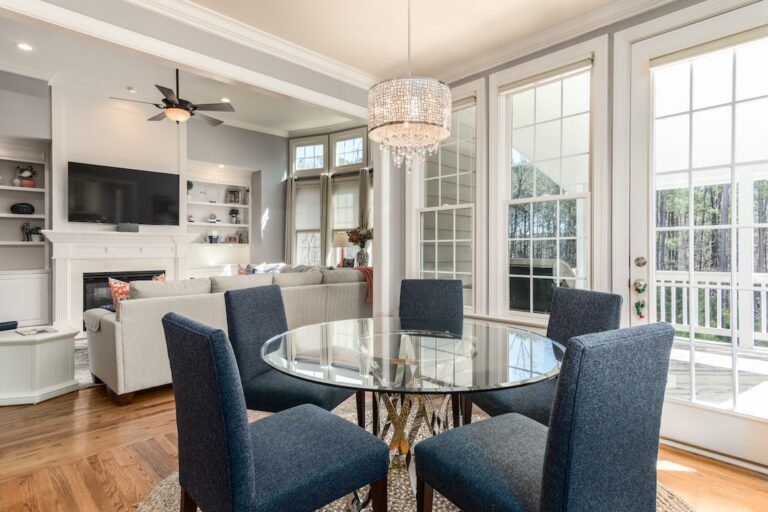
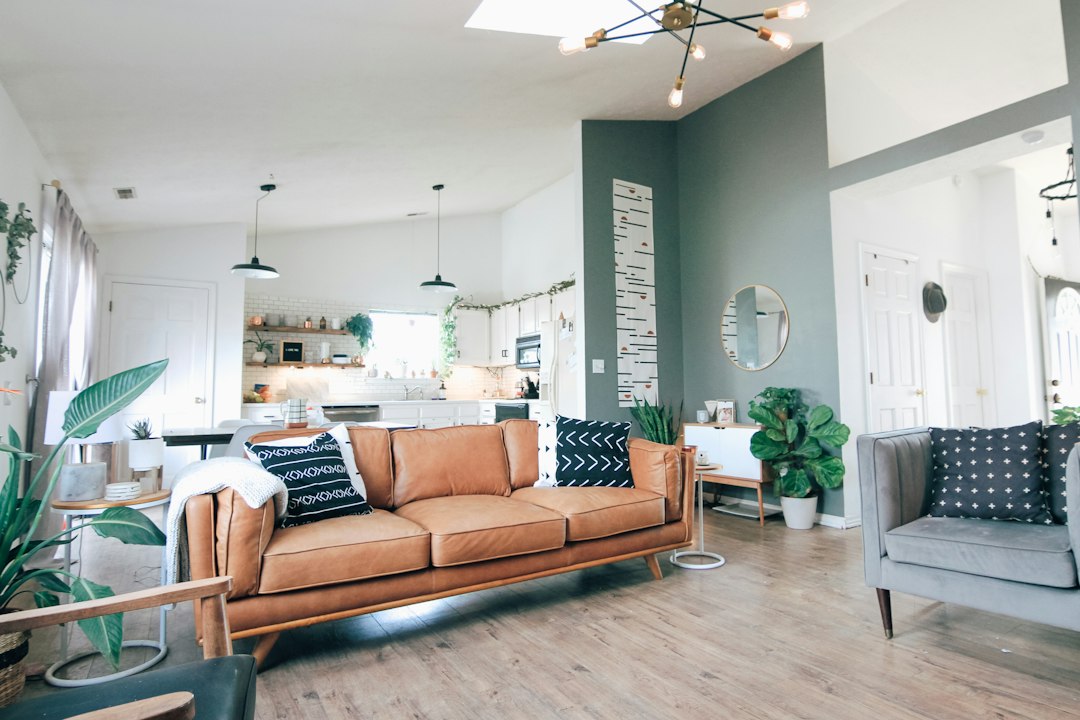
Virtual open houses rely on various types of technology to create an immersive and engaging experience for potential buyers. High-quality visuals are essential for showcasing the property in its best light. This includes professional photography, 3D virtual tours, and even drone footage in some cases. The use of high-resolution images and videos helps buyers get a realistic sense of the property’s layout, features, and overall condition.
In addition to visuals, sound quality is also important during virtual open houses. Clear audio ensures that buyers can hear any explanations or descriptions provided by the seller or their agent. It is crucial to invest in good microphones and audio equipment to avoid any technical difficulties that may hinder the virtual open house experience.
Virtual reality (VR) technology is another exciting development in the world of virtual open houses. VR headsets allow buyers to immerse themselves in a virtual tour of the property, giving them a more realistic and interactive experience. While VR technology is still relatively new and not widely accessible, it has the potential to revolutionize the way we view and experience properties in the future.
Tips for a Successful Virtual Open House Experience
For sellers, preparing their home for a virtual open house involves similar steps to preparing for an in-person open house. First and foremost, it is important to declutter and clean the property thoroughly. Buyers want to see a well-maintained and organized space, even if it is through a virtual tour. It is also advisable to stage the property to make it look more appealing and inviting.
Lighting is another crucial aspect of a successful virtual open house. Natural light is always preferred, so opening curtains or blinds to let in as much light as possible is recommended. If natural light is limited, investing in good lighting fixtures or lamps can help brighten up the space and make it more visually appealing.
For buyers, navigating a virtual open house requires some preparation as well. It is important to have a list of questions ready to ask the seller or their agent during the virtual tour. This can include questions about the property’s condition, any recent renovations or repairs, neighborhood amenities, and so on. Taking notes or screenshots during the virtual open house can also be helpful for future reference when comparing different properties.
What to Expect During a Virtual Open House
While there are similarities between in-person and virtual open houses, there are also some key differences that buyers should be aware of. During a virtual open house, buyers will not have the opportunity to physically walk through the property or interact with it in the same way they would during an in-person open house. However, they will still be able to see the property from different angles and get a sense of its layout and features.
Buyers can expect the seller or their agent to guide them through the virtual tour, pointing out key features and answering any questions they may have. The virtual tour may include pre-recorded video footage or a live video stream, depending on the platform used. Buyers should be prepared to ask questions and engage with the seller or their agent during the virtual open house to get the most out of the experience.
The Future of Open Houses: Virtual vs. In-Person
The rise of virtual open houses raises the question of whether they will become the norm in the future, replacing traditional in-person open houses. While virtual open houses offer many benefits, there are also drawbacks to consider. In-person open houses provide a more personal and tactile experience, allowing buyers to physically walk through a property and get a better sense of its size, layout, and overall feel.
On the other hand, virtual open houses offer convenience, safety, and the ability to reach a wider audience. They also save time and energy for both buyers and sellers by eliminating the need for multiple in-person open houses. It is likely that a hybrid approach will emerge in the future, with both virtual and in-person open houses coexisting to cater to different preferences and circumstances.
Virtual Open Houses for International Buyers
One of the significant advantages of virtual open houses is their ability to benefit international buyers. Virtual open houses allow buyers to view properties from anywhere in the world without having to travel. This is particularly beneficial for international buyers who may be interested in purchasing properties in different countries or regions.
Virtual open houses provide international buyers with an opportunity to explore properties remotely and get a sense of what is available in their desired location. They can view multiple properties without having to physically visit each one, saving time and money. Virtual open houses also allow international buyers to connect with local real estate agents who can provide them with valuable insights and guidance throughout the buying process.
The Role of Real Estate Agents in Virtual Open Houses
Real estate agents play a crucial role in virtual open houses. They are responsible for setting up and hosting the virtual open house, as well as guiding potential buyers through the virtual tour. Real estate agents have the knowledge and expertise to showcase the property in its best light and answer any questions that buyers may have.
In addition to hosting virtual open houses, real estate agents also provide valuable guidance and support throughout the buying process. They can help buyers navigate the virtual open house experience, provide insights into the local market, negotiate offers, and ensure a smooth transaction. Real estate agents are essential in helping buyers make informed decisions and find their dream home, whether through virtual or in-person open houses.
Conclusion: The Convenience of Virtual Open Houses
In conclusion, virtual open houses offer a new and convenient way to experience the process of buying and selling homes. They provide numerous benefits, including convenience for both buyers and sellers, safety during the pandemic, and the ability to reach a wider audience. Virtual open houses rely on various types of technology to create an immersive and engaging experience, with high-quality visuals and sound being crucial.
For a successful virtual open house experience, sellers should prepare their homes by decluttering, cleaning, and staging them. Buyers should come prepared with questions and take notes during the virtual tour. While there are differences between in-person and virtual open houses, buyers can still expect to get a sense of the property’s layout and features during a virtual tour.
The future of open houses is likely to involve a combination of virtual and in-person experiences, catering to different preferences and circumstances. Virtual open houses also offer significant benefits for international buyers, allowing them to view properties from anywhere in the world. Real estate agents play a vital role in hosting virtual open houses and guiding buyers through the process.
In conclusion, virtual open houses are a convenient and innovative way to buy and sell homes. They offer numerous benefits and have the potential to become the norm in the future. Whether you are a buyer or seller, virtual open houses should be considered as a viable option for a safe, efficient, and engaging real estate experience.