Top Tips to Sell My House: A Comprehensive Guide for Homeowners
Introduction
Selling a home can be a complex and overwhelming process. From understanding the real estate market to preparing your home for sale, pricing it right, and navigating negotiations, there are many factors to consider. However, with the right knowledge and preparation, selling your home can be a smooth and successful experience.
Understanding the real estate market is crucial when selling your home. The market conditions and trends can greatly impact the sale of your property. By researching local market trends and conditions, you can gain valuable insights into the demand for homes in your area, the average time it takes to sell a home, and the prices that similar properties are selling for. This information will help you set realistic expectations and make informed decisions throughout the selling process.
In addition to understanding market trends, it’s important to understand the competition. Take a look at other homes for sale in your area that are similar to yours in terms of size, condition, and location. This will give you an idea of how your home compares to others on the market and help you determine a competitive asking price. By identifying your target buyer, you can tailor your marketing efforts to appeal to their specific needs and preferences.
The Importance of Preparing Your Home for Sale
Preparing your home for sale is an essential step in attracting potential buyers and maximizing its value. Start by decluttering and depersonalizing your space. Remove any personal items such as family photos or memorabilia that may make it difficult for buyers to envision themselves living in the home. Clear out any unnecessary clutter and organize your belongings to create a clean and inviting atmosphere.
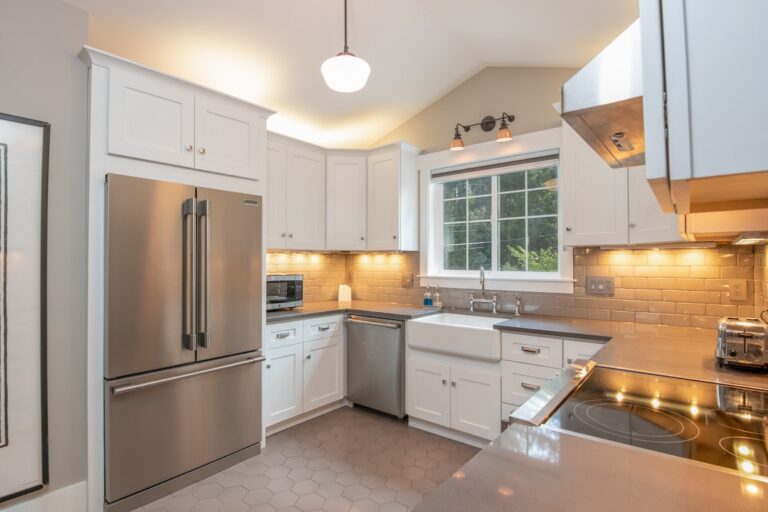
Making necessary repairs and upgrades is another important aspect of preparing your home for sale. Take a walk through your property and make note of any issues that need attention, such as leaky faucets, cracked tiles, or outdated fixtures. Addressing these issues before listing your home will not only make it more appealing to buyers but also help you avoid potential negotiation pitfalls down the line. Consider making strategic upgrades that will add value to your home, such as updating the kitchen or bathroom, replacing worn-out flooring, or adding fresh paint.
Cleaning and staging your home is the final step in preparing it for sale. A clean and well-staged home will make a positive impression on potential buyers and help them envision themselves living in the space. Deep clean every room, paying special attention to high-traffic areas and commonly overlooked spaces like closets and cabinets. Consider hiring a professional stager who can arrange your furniture and decor in a way that highlights your home’s best features and creates an inviting atmosphere.
Pricing Your Home: Finding the Sweet Spot
Pricing your home correctly is crucial to attracting potential buyers and maximizing your chances of a successful sale. There are several factors that influence the value of a home, including its location, size, condition, and recent sales of similar properties in the area. By taking these factors into account, you can set a realistic price that reflects the current market conditions and the unique features of your home.
Setting an unrealistic price can be detrimental to the sale of your home. Overpricing can deter potential buyers and lead to your property sitting on the market for an extended period of time. On the other hand, underpricing may attract multiple offers but result in leaving money on the table. It’s important to strike a balance between attracting buyers and maximizing your return on investment.
To determine the right price for your home, consider working with a real estate agent who has experience in your local market. They will be able to provide you with a comparative market analysis (CMA) that takes into account recent sales of similar properties in your area. This will give you a better understanding of what buyers are willing to pay for homes like yours.
Working with a Real Estate Agent: Pros and Cons
Working with a real estate agent can offer many benefits when selling your home. They have the knowledge and expertise to guide you through the selling process, from pricing your home to negotiating with buyers and closing the sale. A good agent will have a deep understanding of the local market and can provide valuable insights and advice.
However, there are also potential drawbacks to consider when working with an agent. Real estate commissions can be costly, typically ranging from 5% to 6% of the sale price. Additionally, not all agents are created equal, and it’s important to choose the right agent for you. Take the time to interview multiple agents, ask for references, and review their track record before making a decision.
Marketing Your Home: From Staging to Photography
Marketing your home effectively is essential to attracting potential buyers and generating interest in your property. In today’s digital age, creating a strong online presence is crucial. Start by creating a compelling listing description that highlights your home’s best features and appeals to your target buyer. Include high-quality photos that showcase your home in its best light.
Consider hiring a professional photographer who specializes in real estate photography. They will have the skills and equipment necessary to capture your home’s unique features and create visually appealing images that will attract potential buyers. Virtual tours are also becoming increasingly popular, allowing potential buyers to explore your home from the comfort of their own computer or mobile device.
In addition to online marketing, hosting open houses and showings is an important part of the selling process. Prepare your home by cleaning and staging it before each showing or open house. Make sure it is well-lit, smells fresh, and is free of any clutter or personal items. Consider offering refreshments or small incentives to make potential buyers feel welcome and encourage them to spend more time in your home.
Open Houses and Showings: Making a Great First Impression
When hosting open houses and showings, it’s important to make a great first impression on potential buyers. Start by preparing your home by cleaning and decluttering each room. Remove any personal items and excess furniture to create a clean and spacious atmosphere. Pay attention to details such as lighting, temperature, and scent to create a welcoming environment.
During showings, be prepared to answer questions and provide information about your home. Highlight its unique features and any recent upgrades or renovations. Be open and honest about any known issues or repairs that may need to be addressed. It’s also important to give potential buyers space to explore the home on their own and envision themselves living in the space.
After each showing or open house, be open to feedback and criticism. Take note of any comments or suggestions that potential buyers may have and consider making adjustments if necessary. Remember that not every buyer will be the right fit for your home, and it’s important to remain patient and focused on finding the right buyer.
Negotiating with Buyers: Strategies for Success
Negotiating with buyers is a critical step in the home selling process. Understanding the negotiation process and common tactics used by buyers can help you navigate this stage successfully. Start by setting clear goals and priorities for the sale of your home. Determine your bottom line and be prepared to walk away if the terms are not favorable.
During negotiations, it’s important to remain calm and focused. Avoid getting emotional or taking things personally. Instead, focus on finding common ground and reaching a mutually beneficial agreement. Be open to compromise but also stand firm on your non-negotiables.
Consider working with a real estate agent who can represent your interests during negotiations. They will have experience in negotiating real estate deals and can provide valuable advice and guidance throughout the process. Remember that negotiations can take time, so be patient and willing to explore different options until an agreement is reached.
Closing the Sale: What to Expect
Closing the sale is the final step in the home selling process. It involves transferring ownership of the property from you, the seller, to the buyer. During this stage, a real estate attorney will play a crucial role in ensuring that all legal requirements are met and that the transaction is completed smoothly.
Understanding closing costs is an important part of preparing for the closing process. Closing costs typically include fees for services such as title insurance, appraisal, and attorney fees. These costs can vary depending on the location and specific details of the transaction. It’s important to review the closing statement carefully and ask questions if anything is unclear.
To prepare for closing day, gather all necessary documents and paperwork related to the sale of your home. This may include the deed, title insurance policy, mortgage payoff information, and any relevant inspection reports or repair receipts. Be prepared to sign various documents and provide any additional information or documentation that may be requested.
Dealing with Unexpected Hurdles: How to Stay Calm and Focused
During the home selling process, unexpected hurdles can arise that may cause stress and frustration. It’s important to stay calm and focused in order to navigate these challenges successfully. Common obstacles that can arise include issues with financing, inspection findings, or delays in the closing process.
To stay calm and focused, it’s important to have a plan in place for dealing with unexpected hurdles. This may involve seeking professional help from a real estate attorney or financial advisor who can provide guidance and support. It’s also important to maintain open lines of communication with all parties involved in the transaction, including your real estate agent, attorney, and potential buyers.
Remember that selling a home can be a complex process, and it’s normal to encounter obstacles along the way. By staying calm and focused, you can overcome these challenges and move forward towards a successful sale.
Moving On: Tips for a Smooth Transition to Your Next Home
Once the sale of your home is complete, it’s time to focus on the next chapter of your life. Moving to a new home can be both exciting and stressful, but with the right preparation and organization, you can ensure a smooth transition.
Start by preparing for the move well in advance. Create a timeline and checklist of tasks that need to be completed, such as packing, hiring movers, and transferring utilities. Consider decluttering and downsizing your belongings before the move to make the process easier and more efficient.
When packing, organize your belongings by room and label each box clearly. This will make unpacking much easier once you arrive at your new home. Consider packing an essentials box with items that you will need immediately upon arrival, such as toiletries, bedding, and a change of clothes.
Once you’ve moved into your new home, take the time to settle in and make it your own. Unpack and organize your belongings in a way that makes sense for you and your family. Take the opportunity to explore your new neighborhood and get to know your neighbors. Remember that moving is a process, and it may take some time to adjust to your new surroundings.
Conclusion
Selling a home can be a complex and overwhelming process, but with the right knowledge and preparation, it can also be a rewarding experience. By understanding the real estate market, preparing your home for sale, pricing it right, and navigating negotiations, you can increase your chances of a successful sale.
Working with a real estate agent can offer many benefits but also has potential drawbacks. Take the time to choose the right agent for you and consider their expertise and track record in your local market.
Marketing your home effectively is crucial to attracting potential buyers. Create a strong online presence with high-quality photos and virtual tours. Host open houses and showings to give potential buyers an opportunity to see your home in person.
Negotiating with buyers requires patience and a clear understanding of your goals and priorities. Be open to compromise but also stand firm on your non-negotiables.
Closing the sale involves transferring ownership of the property and requires the assistance of a real estate attorney. Understand closing costs and gather all necessary documents and paperwork.
Dealing with unexpected hurdles is a normal part of the home selling process. Stay calm and focused, seek professional help when needed, and maintain open lines of communication.
Moving to a new home can be both exciting and stressful. Prepare for the move in advance, pack and organize your belongings efficiently, and take the time to settle into your new surroundings.
Selling a home is a major decision, but with the right knowledge and preparation, it can be a smooth and successful process. Take the first step today and start researching the real estate market in your area.