Unlocking the Trend: Australian House Prices Set to Soar
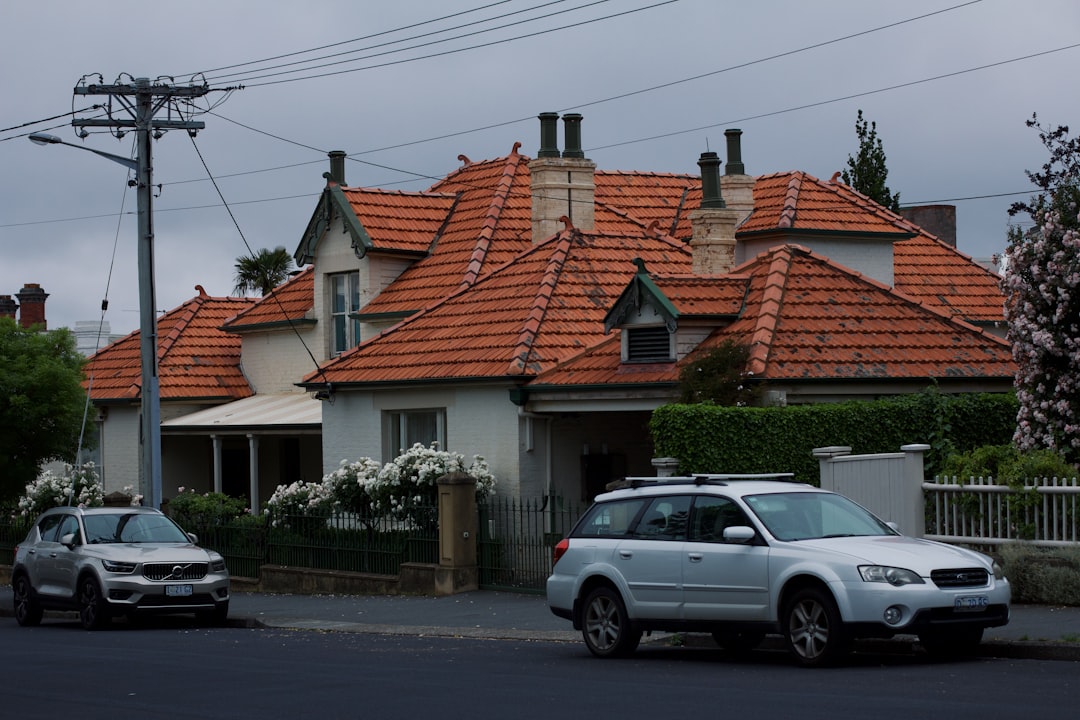
As you navigate the complexities of the Australian housing market, you may find it both vibrant and challenging. Currently, the market is characterized by a mix of high demand and limited supply, leading to a competitive environment for buyers. Major cities like Sydney and Melbourne continue to see significant price growth, while regional areas are also experiencing a surge in interest.
The pandemic has shifted many people’s preferences, with remote work allowing individuals to consider properties outside traditional urban centers. This shift has contributed to a dynamic landscape where prices are not only rising in metropolitan areas but also in previously overlooked regions. You might notice that the current state of the market is influenced by various economic factors, including interest rates and employment levels.
The Reserve Bank of Australia has maintained relatively low interest rates to stimulate economic recovery, making borrowing more accessible for potential homeowners. However, this has also led to increased competition among buyers, driving prices upward. As you explore your options, it’s essential to stay informed about these trends, as they can significantly impact your buying or selling decisions.
Key Takeaways
- The Australian housing market is currently experiencing a significant increase in house prices, driven by various factors.
- Factors contributing to the projected increase in house prices include low interest rates, high demand, and limited housing supply.
- Regional variations in the housing market show that certain areas are experiencing higher price growth compared to others.
- Government policies, such as first home buyer grants and stamp duty exemptions, have had a significant impact on house prices.
- Foreign investment plays a significant role in the Australian housing market, particularly in major cities like Sydney and Melbourne.
Factors Contributing to the Projected Increase in House Prices
Several factors are at play that could lead to a continued increase in house prices across Australia. One of the most significant contributors is the ongoing demand for housing, fueled by population growth and changing demographics. As more people move to urban centers for job opportunities and lifestyle choices, the demand for housing continues to outstrip supply.
This imbalance creates upward pressure on prices, making it crucial for you to understand the implications of these trends if you’re considering entering the market. Another factor influencing house prices is the low-interest-rate environment. With borrowing costs remaining low, many buyers are eager to take advantage of favorable lending conditions.
This influx of buyers can create bidding wars, further driving up prices. Additionally, government incentives aimed at first-time homebuyers have made it easier for individuals to enter the market, adding to the demand. As you assess your position in this landscape, consider how these factors may affect your ability to buy or sell property in the near future.
Regional Variations in the Housing Market

As you delve deeper into the Australian housing market, you’ll discover that regional variations play a significant role in shaping property values. While major cities like Sydney and Melbourne often dominate headlines with their soaring prices, many regional areas are experiencing their own unique trends. For instance, cities such as Brisbane and Adelaide have seen substantial growth as people seek more affordable housing options and a better quality of life outside the bustling metropolises.
This trend is particularly appealing to families and retirees looking for spacious homes and access to nature. You may also find that lifestyle factors are driving demand in regional markets. The pandemic has prompted many individuals to reassess their living situations, leading them to prioritize space and amenities over proximity to work.
As a result, areas that were once considered secondary are now becoming hotspots for buyers seeking a change of scenery. If you’re contemplating a move or investment in these regions, it’s essential to research local market conditions and understand how they differ from urban centers.
Impact of Government Policies on House Prices
| Government Policy | Impact on House Prices |
|---|---|
| Interest Rate Changes | Higher interest rates can lead to lower demand for mortgages, resulting in decreased house prices. |
| Tax Incentives for Homebuyers | Government tax incentives can increase demand for homes, leading to higher house prices. |
| Zoning Regulations | Restrictive zoning regulations can limit housing supply, leading to higher house prices. |
| Subsidies for Affordable Housing | Government subsidies can increase affordable housing supply, potentially lowering house prices in certain areas. |
Government policies play a crucial role in shaping the housing market, and understanding these influences can help you make informed decisions as a buyer or seller. Recent initiatives aimed at boosting homeownership have included grants and incentives for first-time buyers, which can stimulate demand and drive prices higher. These policies are designed to make housing more accessible, but they can also contribute to increased competition in an already tight market.
Additionally, zoning laws and land-use regulations can significantly impact housing supply. If you’re considering investing in property, it’s important to be aware of any upcoming changes in local policies that could affect development opportunities. For instance, if a city plans to increase housing density in certain areas, it could lead to a surge in property values as more people seek to live there.
Staying informed about government initiatives and their potential effects on the market will empower you to navigate your real estate journey more effectively.
The Role of Foreign Investment in the Housing Market
Foreign investment has become an increasingly influential factor in the Australian housing market, and understanding its implications is vital for you as a potential buyer or seller. International investors often view Australian real estate as a stable and lucrative opportunity, which can drive up demand and prices in certain areas. Cities like Sydney and Melbourne have attracted significant foreign capital, particularly from buyers in Asia seeking safe investments.
As international investors compete for properties, it can exacerbate affordability issues for Australians looking to enter the market. If you’re considering purchasing property in a highly sought-after area, be prepared for potential competition from foreign buyers who may have different purchasing power.
Understanding the dynamics of foreign investment will help you strategize effectively as you navigate your real estate options.
Strategies for Buyers and Sellers in the Current Market
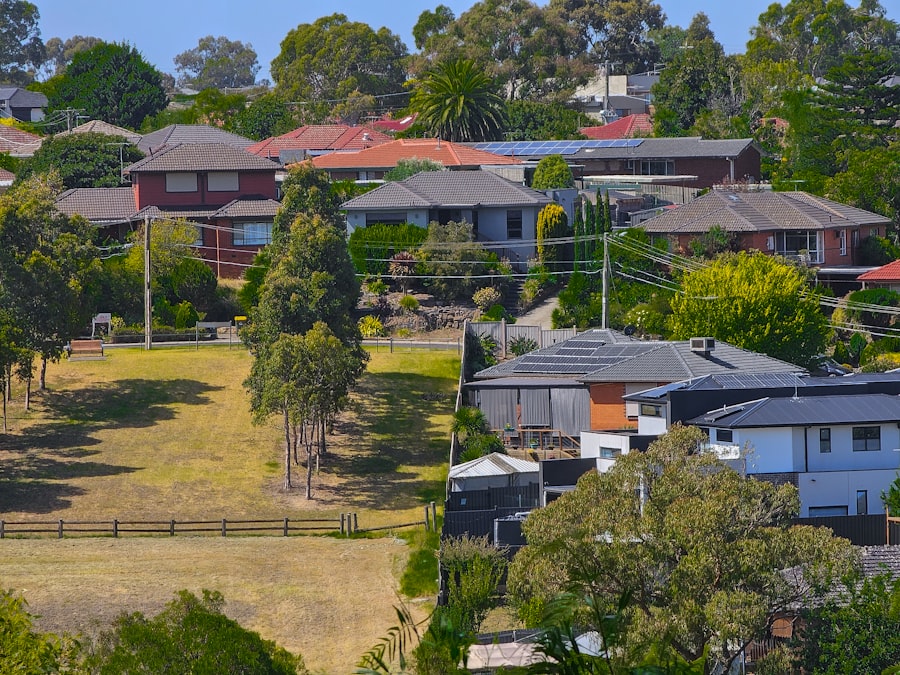
In today’s competitive housing market, having a solid strategy is essential whether you’re buying or selling property. For buyers like yourself, it’s crucial to be well-prepared before entering the market. Start by getting pre-approved for a mortgage so you know your budget and can act quickly when you find a suitable property.
Additionally, consider broadening your search criteria; exploring different neighborhoods or types of properties may increase your chances of finding a home that meets your needs without breaking the bank. As a seller, positioning your property effectively is key to attracting potential buyers. Invest time in enhancing your home’s curb appeal and staging it for showings; first impressions matter significantly in a competitive market.
Pricing your home strategically is also vital; consider working with a real estate agent who understands local trends and can help you set a competitive price that reflects current market conditions.
Expert Predictions for the Future of Australian House Prices
As you look ahead to the future of Australian house prices, expert predictions suggest that while growth may continue, it could be tempered by various factors. Many analysts anticipate that price increases will slow down compared to previous years due to rising interest rates and potential economic uncertainties. However, some regions may still experience robust growth driven by ongoing demand and limited supply.
It’s essential for you to stay informed about these predictions as they can influence your decisions in the market. Engaging with real estate professionals and following reputable sources will provide valuable insights into emerging trends and potential shifts in pricing dynamics. By keeping an eye on expert forecasts, you’ll be better equipped to make informed choices regarding your real estate investments.
Potential Risks and Challenges in the Rising Housing Market
While the rising housing market presents opportunities for buyers and sellers alike, it’s important to be aware of potential risks and challenges that could arise. One significant concern is the possibility of an economic downturn or changes in interest rates that could impact affordability and demand. If you’re considering purchasing property, be mindful of how fluctuations in the economy could affect your investment’s value over time.
Additionally, as prices continue to rise, affordability may become an increasing issue for many Australians. This could lead to a slowdown in buyer activity if individuals find it challenging to enter the market or maintain their current homes. As you navigate this landscape, it’s crucial to remain vigilant about market conditions and be prepared for potential shifts that could impact your real estate journey.
In conclusion, understanding the current state of the Australian housing market requires careful consideration of various factors influencing prices and trends. By staying informed about regional variations, government policies, foreign investment dynamics, and expert predictions, you can make strategic decisions that align with your goals as a buyer or seller. While opportunities abound in this evolving landscape, being aware of potential risks will empower you to navigate the complexities of the housing market with confidence.
FAQs
What are the factors contributing to the projected rise in Australian house prices?
The projected rise in Australian house prices is attributed to factors such as low interest rates, strong demand for housing, limited housing supply, and government incentives for homebuyers.
How do low interest rates impact Australian house prices?
Low interest rates make borrowing more affordable, leading to increased demand for housing and driving up house prices.
What role does strong demand for housing play in the projected rise in Australian house prices?
Strong demand for housing, fueled by factors such as population growth and urbanization, contributes to the projected rise in Australian house prices.
How does limited housing supply affect Australian house prices?
Limited housing supply, particularly in high-demand areas, leads to increased competition among buyers and drives up house prices.
What government incentives for homebuyers are contributing to the projected rise in Australian house prices?
Government incentives such as first home buyer grants and stamp duty concessions are stimulating demand for housing and supporting the projected rise in Australian house prices.