The Rise of the Unit: Why Apartments Outpace Houses in Affordability Demand
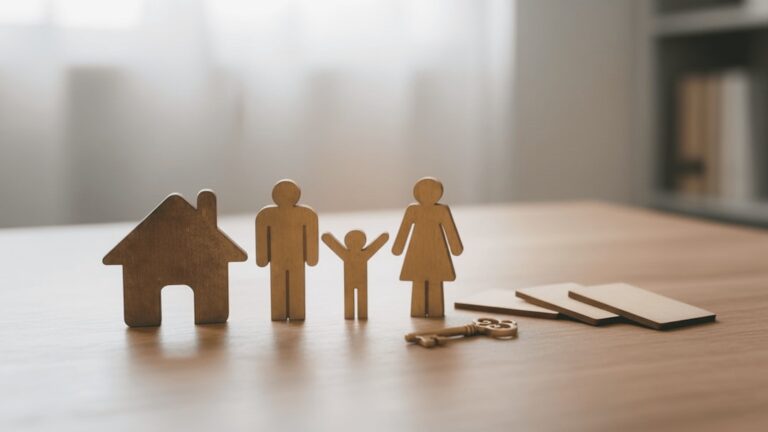
In recent years, you may have noticed a significant shift in housing preferences among various demographics. The traditional notion of homeownership is evolving, with many individuals and families opting for apartment living instead. This change is driven by a combination of factors, including lifestyle choices, economic considerations, and the desire for community engagement.
You might find that younger generations, particularly millennials and Gen Z, are leading the charge toward apartment living. With a focus on experiences over possessions, these groups prioritize flexibility and mobility, often choosing to rent rather than buy.
This shift is not merely a reflection of financial constraints but also a conscious decision to embrace a lifestyle that values convenience and community. As you explore your own housing options, consider how these changing preferences align with your values and aspirations.
Key Takeaways
- Housing preferences are shifting towards more flexible and convenient options, such as apartments, due to changing lifestyles and priorities.
- Affordability and accessibility are key factors driving the demand for apartment living, especially in urban areas where housing costs are high and transportation is convenient.
- Flexibility and convenience, such as proximity to work and amenities, are important considerations for people choosing apartment living over traditional housing options.
- Urbanization and population growth are contributing to the increasing demand for apartment living, as more people move to cities and seek convenient and affordable housing options.
- Environmental sustainability is becoming a priority for apartment living, with a focus on energy efficiency, green spaces, and sustainable building practices.
Affordability and Accessibility
Affordability is a critical factor influencing your housing decisions. In many urban areas, the cost of homeownership has skyrocketed, making it increasingly difficult for individuals and families to enter the market. As you weigh your options, you may find that renting an apartment offers a more accessible path to secure housing without the burdens of a mortgage.
This trend is particularly evident in cities where housing prices have outpaced wage growth, forcing many to reconsider their living arrangements. Moreover, the accessibility of apartment living extends beyond financial considerations. Many modern apartment complexes are designed with accessibility in mind, featuring amenities that cater to diverse needs.
Whether you require wheelchair access or prefer a pet-friendly environment, you’ll likely find options that suit your lifestyle. As you explore different neighborhoods, take note of how these factors contribute to your overall quality of life and sense of belonging.
Flexibility and Convenience
In today’s fast-paced world, flexibility and convenience are paramount. You may appreciate the freedom that comes with renting an apartment, allowing you to relocate easily as your career or personal life evolves. Unlike homeownership, which often ties you to a specific location for years, renting provides the opportunity to explore new neighborhoods or cities without the long-term commitment.
This adaptability can be particularly appealing if you’re in a transitional phase of life or seeking new experiences. Additionally, modern apartments often come equipped with a range of conveniences that enhance your daily life. From on-site fitness centers to communal workspaces, these amenities cater to your busy lifestyle and provide opportunities for social interaction.
As you consider your housing options, think about how these conveniences can simplify your routine and contribute to a more fulfilling living experience.
Urbanization and Population Growth
| Year | Urban Population (millions) | Urban Population Growth Rate (%) |
|---|---|---|
| 2000 | 2,862 | 2.1 |
| 2010 | 3,527 | 2.7 |
| 2020 | 4,299 | 3.0 |
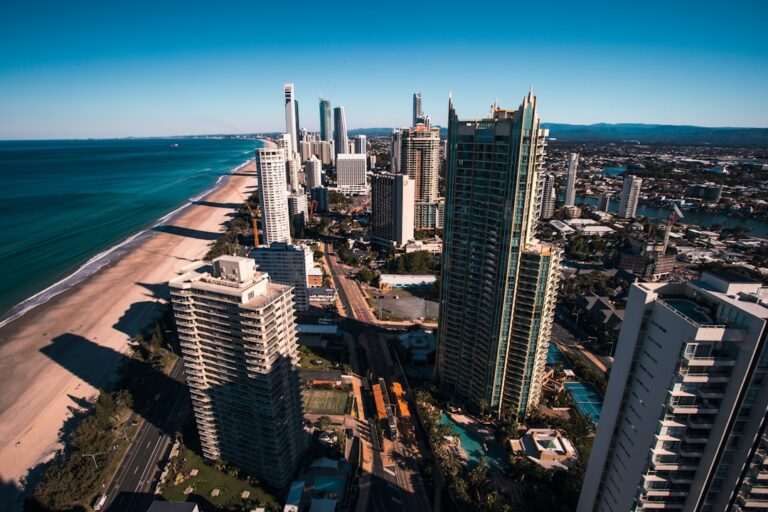
Urbanization is another significant factor shaping your housing preferences. As more people flock to cities in search of job opportunities and vibrant lifestyles, the demand for housing continues to rise. You may find yourself drawn to urban areas that offer cultural attractions, dining options, and entertainment venues within walking distance.
This trend has led to a surge in apartment construction, with developers responding to the growing need for accessible housing in densely populated areas. Population growth also plays a crucial role in this dynamic. As cities expand and attract new residents, the competition for housing intensifies.
You might notice that apartment living is becoming increasingly popular among diverse demographics, from young professionals to retirees seeking a more manageable lifestyle. This influx of residents not only drives demand for apartments but also fosters a sense of community as neighbors come together in shared spaces.
Environmental Sustainability
As awareness of environmental issues grows, many individuals are prioritizing sustainability in their housing choices. You may find that apartment living aligns with your values regarding environmental responsibility. Multi-family dwellings often have a smaller carbon footprint compared to single-family homes due to shared resources and reduced land use.
By choosing an apartment, you contribute to more efficient land use and lower energy consumption. Furthermore, many modern apartment complexes are designed with sustainability in mind. You might encounter buildings equipped with energy-efficient appliances, solar panels, and green spaces that promote biodiversity.
These features not only benefit the environment but also enhance your quality of life by providing healthier living conditions. As you consider your housing options, reflect on how your choices can contribute to a more sustainable future.
Amenities and Community Living
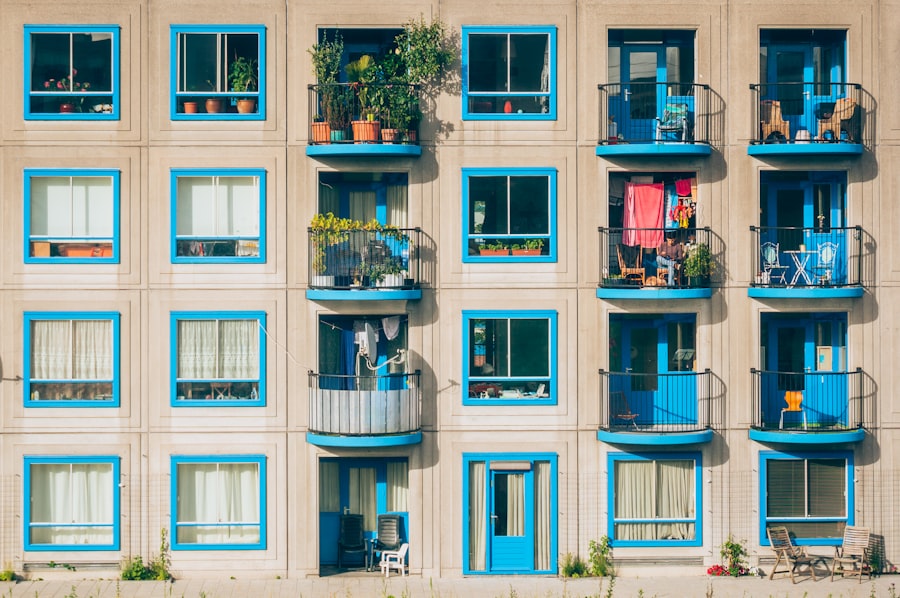
One of the most appealing aspects of apartment living is the array of amenities available to residents. You may find yourself drawn to complexes that offer features such as swimming pools, rooftop gardens, fitness centers, and communal lounges. These amenities not only enhance your living experience but also foster a sense of community among residents.
As you engage with your neighbors in shared spaces, you create opportunities for social interaction and connection. Community living can significantly enrich your life as well. Many apartment complexes host events and activities that encourage residents to come together and build relationships.
Whether it’s a summer barbecue or a movie night in the common area, these gatherings provide a chance for you to meet new people and forge friendships within your community. As you explore different apartment options, consider how these amenities and community-building opportunities align with your lifestyle preferences.
Investment Opportunities
While renting an apartment may seem like a temporary solution for some, it can also present unique investment opportunities for others. If you’re considering entering the real estate market, investing in multi-family properties can be a lucrative venture. You might find that owning an apartment building allows you to generate passive income while providing much-needed housing in your community.
Moreover, as urban areas continue to grow and evolve, the demand for rental properties is likely to remain strong. By investing in apartments, you position yourself to benefit from rising rental prices and increased property values over time. As you contemplate your financial future, consider how investing in real estate could align with your long-term goals and aspirations.
The Future of Apartment Living
Looking ahead, the future of apartment living appears bright as trends continue to evolve in response to changing societal needs. You may witness further innovations in design and technology that enhance the living experience for residents. Smart home features, energy-efficient systems, and sustainable building materials are likely to become standard in new developments, making apartment living even more appealing.
Additionally, as remote work becomes increasingly common, you might find that apartments are designed with flexible workspaces that cater to this new reality. The integration of technology into everyday living will continue to shape how you experience apartment life, providing greater convenience and connectivity than ever before. As you consider your own housing journey, keep an eye on these trends and how they may influence your choices in the years to come.
In conclusion, the shift toward apartment living reflects broader societal changes driven by affordability, flexibility, urbanization, sustainability, and community engagement.
Whether you’re seeking convenience or investment opportunities, understanding the future of apartment living will empower you to make informed decisions that enhance your quality of life.
FAQs
What is driving the rise of apartments over houses in affordability-driven demand?
The rise of apartments over houses in affordability-driven demand is primarily driven by the increasing cost of homeownership, including rising property prices, higher mortgage rates, and maintenance expenses. This has led many individuals and families to seek more affordable housing options, such as apartments.
How do apartments compare to houses in terms of affordability?
Apartments are generally more affordable than houses in terms of upfront costs, ongoing maintenance expenses, and utilities. Additionally, apartments often offer amenities such as fitness centers, pools, and communal spaces, which can provide added value for residents.
What are some factors contributing to the popularity of apartments?
Factors contributing to the popularity of apartments include the flexibility of renting, the convenience of urban living, access to amenities, and the ability to live in desirable locations without the high costs associated with homeownership.
Are there any demographic trends driving the demand for apartments?
Yes, demographic trends such as an aging population, a growing number of single-person households, and a preference for urban living among millennials are contributing to the increasing demand for apartments.
How are developers responding to the demand for apartments?
Developers are responding to the demand for apartments by constructing more multifamily housing units, including high-rise buildings, mid-rise complexes, and mixed-use developments that combine residential and commercial spaces. This is aimed at meeting the needs of individuals and families seeking affordable and convenient housing options.