Average House Price in QLD on the Rise
As you step into the real estate landscape of Queensland (QLD), you may have noticed a significant shift in the average house prices. Over recent years, the property market has experienced a remarkable surge, capturing the attention of both potential homebuyers and investors alike. The allure of Queensland’s sunny climate, beautiful beaches, and vibrant lifestyle has made it a prime destination for many looking to settle down or invest in property.
However, this increasing demand has led to a notable rise in average house prices, creating both opportunities and challenges for those navigating this dynamic market. The rising average house price in QLD is not merely a statistic; it reflects broader economic trends and shifts in societal behavior. As you delve deeper into the factors driving this increase, you will find that it is influenced by a combination of local and global elements.
Understanding these dynamics is crucial for anyone looking to buy or sell property in this region. The implications of these rising prices extend beyond mere numbers; they affect affordability, investment potential, and the overall housing landscape in Queensland.
Key Takeaways
- The average house price in QLD is on the rise, making it challenging for homebuyers to enter the market.
- Factors contributing to the increase in average house price include low interest rates, high demand, and limited supply of housing.
- The rising average house price is impacting homebuyers by making it more difficult to afford a home and causing increased competition in the market.
- Regional variations in average house price growth show that certain areas are experiencing higher increases than others.
- Government policies and initiatives are being implemented to address the rising house prices and make housing more affordable for residents.
Factors Contributing to the Increase in Average House Price
Several key factors contribute to the upward trajectory of average house prices in Queensland. One of the most significant drivers is the influx of interstate migration. As people from other states seek a more relaxed lifestyle, they are drawn to Queensland’s appealing climate and lifestyle offerings.
This migration has intensified competition for housing, leading to increased demand and, consequently, higher prices. You may find that areas once considered affordable are now becoming hotspots for buyers eager to secure their piece of paradise. Another critical factor is the low-interest-rate environment that has persisted over recent years.
With borrowing costs at historic lows, many buyers are taking advantage of favorable mortgage conditions to enter the market. This surge in demand, coupled with limited housing supply, creates a perfect storm for rising prices. As you explore your options, it’s essential to recognize how these economic conditions can impact your purchasing power and the overall market dynamics.
Impact of the Rising Average House Price on Homebuyers
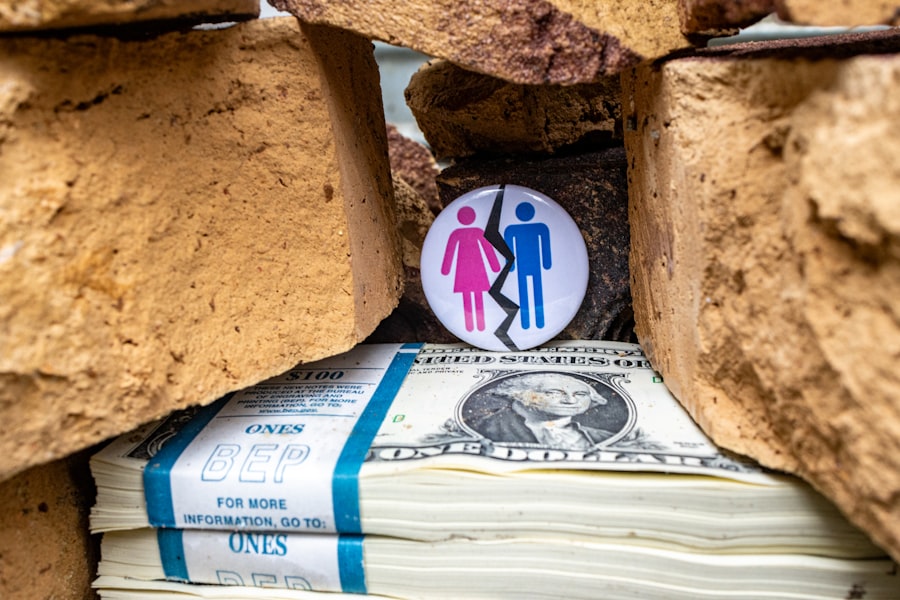
The rising average house price in QLD has profound implications for homebuyers. For many, the dream of homeownership may feel increasingly out of reach as prices continue to climb. You might find yourself grappling with the reality that what was once an attainable goal is now accompanied by higher financial barriers.
This situation can lead to increased competition among buyers, driving prices even higher as individuals and families vie for limited properties. Moreover, the impact of rising prices extends beyond just affordability; it also influences buyer sentiment and decision-making. As you navigate this challenging landscape, you may feel pressured to act quickly, fearing that waiting could result in even higher prices down the line.
This urgency can lead to hasty decisions that may not align with your long-term goals. It’s crucial to approach the market with a clear strategy and an understanding of your financial limits to avoid potential pitfalls.
Regional Variations in Average House Price Growth
| Region | Average House Price Growth (%) |
|---|---|
| North | 5.2 |
| South | 4.8 |
| East | 6.1 |
| West | 4.5 |
While the overall trend indicates rising average house prices across Queensland, it’s essential to recognize that this growth is not uniform throughout the state. Different regions experience varying rates of price appreciation based on local economic conditions, infrastructure developments, and lifestyle attractions. For instance, coastal areas like the Gold Coast and Sunshine Coast have seen significant price increases due to their desirability as holiday destinations and lifestyle hubs.
As you consider your options, it’s vital to research specific areas and understand the factors driving price changes in those locations. By doing so, you can make informed decisions that align with your budget and lifestyle preferences while capitalizing on regional opportunities.
Government Policies and Initiatives to Address Rising House Prices
In response to the challenges posed by rising average house prices, various government policies and initiatives have been introduced to help mitigate the impact on homebuyers. You may have heard about first-home buyer grants or stamp duty concessions aimed at easing the financial burden for those entering the market for the first time. These initiatives can provide valuable support as you navigate the complexities of purchasing a home in a competitive environment.
By facilitating new developments and improving transportation links, authorities aim to create more housing options that can help stabilize prices over time. Staying informed about these policies can empower you as a buyer or seller, allowing you to take advantage of available resources and make strategic decisions in your real estate journey.
Predictions for Future Average House Price Trends in QLD

As you look ahead, predictions for future average house price trends in Queensland suggest a mixed outlook. While some experts anticipate continued growth driven by ongoing demand and low-interest rates, others caution that market corrections may occur as affordability constraints take hold. You might find it helpful to consider various economic indicators, such as employment rates and population growth, as they can provide insights into potential market shifts.
Moreover, external factors such as changes in government policy or global economic conditions can also influence future trends. As you plan your next steps in the property market, staying attuned to these developments will be crucial. Whether you’re considering buying or selling, understanding potential future scenarios can help you make informed decisions that align with your financial goals.
Tips for Homebuyers and Sellers in the Current Market
Navigating the current real estate market in Queensland requires a strategic approach for both homebuyers and sellers. If you’re looking to buy, consider getting pre-approved for a mortgage to strengthen your position when making offers. This step not only clarifies your budget but also signals to sellers that you’re a serious contender in a competitive market.
Additionally, be prepared to act quickly when you find a property that meets your criteria; hesitation could mean losing out on your ideal home. For sellers, presenting your property in its best light is essential in attracting potential buyers. Consider investing in minor renovations or staging your home to enhance its appeal.
Pricing your property competitively based on current market conditions is also crucial; overpricing can deter interested buyers while underpricing may lead to missed opportunities for maximizing your return. By adopting a proactive approach tailored to current market dynamics, you can navigate this evolving landscape effectively.
Navigating the Increasing Average House Price in QLD
In conclusion, the rising average house price in Queensland presents both challenges and opportunities for homebuyers and sellers alike. As you navigate this complex landscape, understanding the factors driving price increases and regional variations will empower you to make informed decisions. Whether you’re entering the market as a buyer or looking to sell your property, staying informed about government initiatives and future trends will be key to achieving your real estate goals.
Ultimately, while the journey may seem daunting at times, with careful planning and strategic decision-making, you can successfully navigate the increasing average house price in QLD. Embrace the opportunities that arise from this dynamic market while remaining mindful of your financial limits and long-term objectives. By doing so, you’ll be well-equipped to make choices that align with your vision of homeownership or investment success in Queensland’s vibrant real estate landscape.
FAQs
What is the average house price in Queensland?
The average house price in Queensland is currently around $540,000.
How has the average house price in Queensland changed over the years?
The average house price in Queensland has been steadily increasing over the years, with a significant rise in recent times.
What factors contribute to the average house price in Queensland?
Factors that contribute to the average house price in Queensland include location, size of the property, local amenities, and market demand.
Which areas in Queensland have the highest average house prices?
The areas with the highest average house prices in Queensland are typically the inner-city suburbs of Brisbane, as well as popular coastal and regional areas.
Are there any predictions for the future of the average house price in Queensland?
There are predictions that the average house price in Queensland will continue to rise in the near future, driven by population growth and demand for housing.