Queensland Property Prices: A Look at the Market
The Queensland real estate market is a subject that both homeowners and investors find to be very important. Queensland has gained popularity as a place to invest in real estate due to its breathtaking natural beauty, energetic cities, and expanding economy. This blog post will offer a comprehensive analysis of the Queensland real estate market, covering topics such as the state of the market right now, variables influencing real estate values, the effect of COVID-19, regional Queensland vs. Brisbane; emerging areas to keep an eye on; foreign investment; advantages and disadvantages of investing; the housing affordability crisis; advice for first-time buyers; and forecasts for the future. Our mission is to empower readers to make wise decisions about the Queensland real estate market by offering insightful analysis and useful information.
Key Takeaways
- Queensland property market is experiencing steady growth with a 3.6% increase in median house prices in the past year.
- Factors affecting property prices in Queensland include population growth, infrastructure development, and interest rates.
- COVID-19 has had a mixed impact on Queensland property prices, with some areas experiencing growth and others experiencing a decline.
- Regional Queensland is showing stronger growth than Brisbane, with areas like the Sunshine Coast and Gold Coast leading the way.
- Up-and-coming areas to watch in Queensland include Ipswich, Logan, and Moreton Bay.
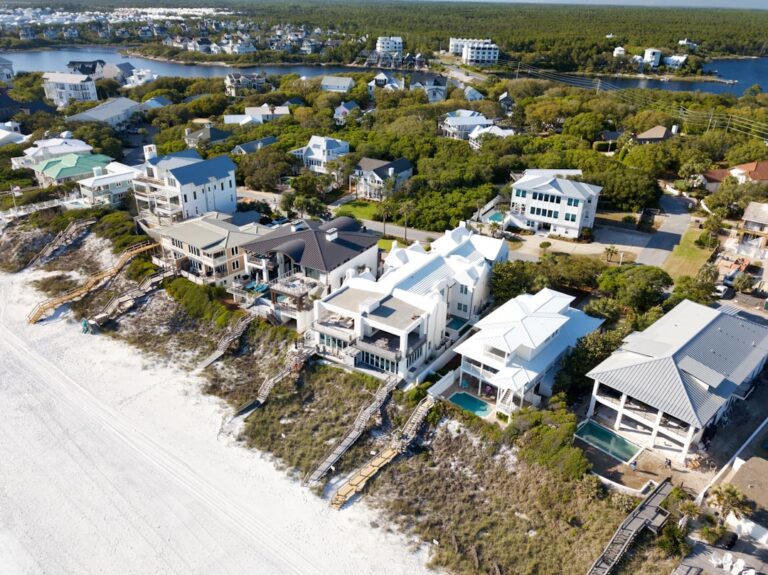
The Queensland real estate market is renowned for its variety, providing a selection of choices ranging from beachfront homes to country getaways and vibrant city apartments. The market has grown steadily over the years, propelled by elements like increased tourism, infrastructural development, and population growth. It is not without difficulties, though, just like any other real estate market. The Queensland real estate market is stable right now.
The market has held up well overall, despite some fluctuations in particular areas. Queensland still has a high demand for real estate, drawing interest from both domestic & foreign buyers. Because of this, real estate prices have been rising steadily, albeit more slowly than in prior years.
In the Queensland real estate market, there has been a recent trend toward eco-friendly and sustainable properties, and there is also a growing demand for properties in rural areas. With features like solar panels, rainwater tanks, & energy-efficient appliances, properties that offer a more sustainable & environmentally friendly lifestyle are becoming more & more appealing to buyers. A further consequence of the COVID-19 pandemic has been a rise in interest in rural areas from people looking for a more laid-back way of life and a visual change. Queensland real estate prices are influenced by a number of important factors. Among these are:1.
| City | Median Property Price | Annual Growth Rate |
|---|---|---|
| Brisbane | 550,000 | 2.5% |
| Cairns | 420,000 | 3.2% |
| Gold Coast | 650,000 | 4.1% |
| Sunshine Coast | 580,000 | 3.8% |
Population Growth: A combination of natural increase and interstate migration has resulted in a notable increase in Queensland’s population in recent years. The demand for housing rises as the population grows, pushing up property values. For instance, the Gold Coast & Sunshine Coast have experienced significant population growth, which has raised housing demand and raised prices. 2.
Infrastructure Development: The construction of new roads, facilities, and public transportation can all have a big influence on property values. Better connected areas typically draw more purchasers and see faster increases in real estate prices. For example, properties close to the new rail stations are in greater demand as a result of Brisbane’s Cross River Rail project.
Three. Economic Factors: The condition of the economy has a big impact on how much real estate costs. Due to increased purchasing power, real estate prices can rise in a robust economy with low unemployment and high wages.
On the other hand, a decline in property values may result from economic downturns. For instance, property values in Queensland saw a sharp decrease in the 2008 global financial crisis. 4. Supply and Demand: The real estate market is subject to the same fundamental laws of supply & demand. Prices typically rise in situations where there is a limited supply of properties & a high demand for them. On the other hand, prices might drop if there is an abundance of properties & little demand.
A market’s dynamics of supply and demand can be influenced by variables like population growth, investor activity, & governmental regulations. The real estate market in Queensland has been significantly impacted by the COVID-19 pandemic. Short-term restrictions on inspections & auctions caused a brief slowdown in the market. But when regulations relaxed, the market swiftly recovered, with high demand from buyers & constrained supply driving up prices.
Regional areas have become more popular, which is one of the main effects of COVID-19 on the Queensland real estate market. Many people are looking for a change of scenery & a more laid-back lifestyle as remote work becomes more common. Due to the increased demand for properties in regional Queensland, prices have gone up in these areas. The complete effect of COVID-19 on the Queensland real estate market is still unknown in the long run. Although the market has proven resilient thus far, there are still dangers, including a slowdown in population growth, unstable economic conditions, and shifts in consumer preferences.
It is imperative for investors to meticulously evaluate these factors & modify their approaches correspondingly. According to data from the Real Estate Institute of Queensland (REIQ), in the year ending in March 2021, the median house price in Queensland climbed by 6.2 percent. This shows the Queensland real estate market has held up well in spite of the difficulties brought on by the pandemic.
Choosing between Brisbane, the state capital, and other regional areas is a crucial choice for anyone thinking about investing in real estate in Queensland. Each market has advantages and disadvantages, & the decision ultimately comes down to the objectives & tastes of the investor. Queensland’s capital city, Brisbane, provides a variety of real estate investment options. The economy of the country is varied and comprises robust industries like tourism, healthcare, and education. Alongside major infrastructure development, the city is also undergoing major urban transformation thanks to initiatives like the Brisbane Metro and the Queen’s Wharf precinct.
These elements support Brisbane’s robust real estate market, which may drive up prices and increase rental yield. Regional Queensland, however, provides a distinct set of benefits. Compared to Brisbane, regional areas frequently have cheaper real estate costs, making them more accessible to investors. Regional locations can also provide a stronger sense of community, gorgeous natural scenery, & a more laid-back way of life.
Regional areas are appealing, as evidenced by the spike in interest in them during the COVID-19 pandemic. Ultimately, a person’s budget, investment objectives, and personal preferences will determine which of regional Queensland and Brisbane is best for them. Before making a selection, investors should carefully weigh these aspects and perform in-depth study. Queensland has a number of developing regions with excellent real estate investment opportunities.
Affordability, population growth, and infrastructure development make these areas interesting to watch. In Queensland, some of the emerging regions are as follows:1. The city of Ipswich, which is situated not far from Brisbane, is rapidly expanding & developing. The city’s economy is robust, with sectors like manufacturing, healthcare, & education driving job growth. The area’s growth is being aided by the Ipswich Hospital’s expansion and the redevelopment project of the city’s downtown. 2.
Toowoomba: Also referred to as the “Garden City,” Toowoomba is seeing a sharp increase in both its population & its economy. The city’s economy is varied, with industries like healthcare, education, and agriculture propelling expansion. Two significant infrastructure projects that are adding to the area’s appeal are the Toowoomba Second Range Crossing project & the Wellcamp Airport. Three. Cairns is a well-liked travel destination that is well-known for the Great Barrier Reef and its breathtaking natural beauty.
The city’s economy is bolstered by a robust tourism sector. The Cairns Convention Centre expansion and the redevelopment of the Cairns Esplanade are expected to further enhance the city’s appeal. Here are only a handful of Queensland’s emerging communities.
When making decisions about their investments, investors should do a lot of research & take into account variables like population growth, infrastructure development, & economic outlooks. Foreign investment plays a significant role in the Queensland property market. Australia has long been an attractive destination for foreign investors, thanks to its stable economy, high living standards, and strong property market. Foreign investment can have both positive and negative impacts on the market.
On the positive side, foreign investment can contribute to economic growth, job creation, & infrastructure development. It can also increase demand for property, which can lead to price growth and rental yield. For example, foreign investors have played a significant role in the development of luxury properties and resorts in areas such as the Gold Coast & Hamilton Island.
However, there are also concerns associated with foreign investment. One of the main concerns is the impact on housing affordability, particularly for local buyers. Foreign investors, especially those purchasing properties for investment purposes, can drive up prices & make it more difficult for local buyers to enter the market. This has led to government policies such as foreign buyer surcharges and restrictions on foreign ownership of certain types of properties. It is important for policymakers to strike a balance between attracting foreign investment and ensuring housing affordability for local buyers. Measures such as stricter regulations, increased transparency, & targeted incentives can help mitigate the potential negative impacts of foreign investment.
Investing in Queensland property offers several advantages, but it also comes with risks & challenges. It is important for investors to carefully consider the pros and cons before making investment decisions. Some of the pros and cons of investing in Queensland property include:Pros:1. Strong Demand: Queensland has a growing population and a strong economy, which contribute to a high demand for property. This can lead to price growth and rental yield. 2. Lifestyle Appeal: Queensland offers a desirable lifestyle, with stunning natural landscapes, vibrant cities, and a relaxed atmosphere.
This makes it an attractive location for both residents and tourists. 3. Affordability: Compared to other major cities in Australia, property prices in Queensland can be more affordable. This makes it an appealing option for investors looking for value for money. Cons:1.
Market Volatility: Like any property market, Queensland is not immune to market fluctuations. Economic downturns, changes in government policies, and external factors can impact property prices & rental demand. 2. Regional Variations: The Queensland property market is diverse, with variations in property prices, rental yields, and growth prospects across different regions.
Investors need to carefully research and understand the specific dynamics of the areas they are interested in. 3. Housing Affordability: Queensland, like many other parts of Australia, is facing a housing affordability crisis. High property prices and limited supply can make it challenging for first-time buyers and low-income earners to enter the market.
To mitigate the risks and maximize the rewards of investing in Queensland property, investors should conduct thorough research, seek professional advice, and diversify their portfolio. The housing affordability crisis in Queensland is a pressing issue that needs to be addressed. High property prices, limited supply, and increasing demand have made it difficult for many people, particularly first-time buyers and low-income earners, to enter the property market. To tackle the housing affordability crisis, the Queensland government has implemented several measures. These measures include:1.
First Home Owner Grant: The Queensland government offers a First Home Owner Grant, which provides financial assistance to eligible first-time buyers. The grant can help reduce the upfront costs of purchasing a property. 2. Affordable Housing Initiatives: The government has implemented various affordable housing initiatives, such as the Housing Construction Jobs Program & the Build-to-Rent Pilot Project.
These initiatives aim to increase the supply of affordable housing and provide more options for low-income earners. 3. Planning Reforms: The government is undertaking planning reforms to streamline the development process and increase housing supply. These reforms include changes to zoning regulations, faster approval processes, and incentives for developers to build affordable housing. While these measures are a step in the right direction, there is still more work to be done to address the housing affordability crisis.
It is important for the government, industry stakeholders, and community organizations to work together to find sustainable solutions that ensure housing affordability for all Queenslanders. Navigating the Queensland property market as a first-time buyer can be a daunting task. However, with careful planning & research, it is possible to find the right property at the right price.
Here are some tips & advice for first-time buyers in the Queensland property market:1. Set a Budget: Determine your budget and stick to it. Consider factors such as your income, savings, & borrowing capacity.
It is important to be realistic & avoid overstretching yourself financially. 2. Research the Market: Conduct thorough research on the areas you are interested in. Look at property prices, rental yields, growth prospects, and amenities.
Consider factors such as proximity to schools, public transport, & employment opportunities. 3. Get Pre-Approved for a Loan: Before you start house hunting, get pre-approved for a loan. This will give you a clear idea of your borrowing capacity and help you narrow down your property search. 4. Seek Professional Advice: Consider engaging the services of a buyer’s agent or a real estate agent who specializes in working with first-time buyers. They can provide valuable insights and guidance throughout the buying process. 5.
Attend Inspections: Attend property inspections & open houses to get a feel for the market. Take note of any potential issues or repairs that may need to be addressed. 6. Be Patient: Buying your first property can take time, so be patient and don’t rush into a decision. Take the time to thoroughly research and consider all your options. 7. Consider Government Assistance: Take advantage of government assistance programs, such as the First Home Owner Grant, to help reduce the upfront costs of purchasing a property.
By following these tips and advice, first-time buyers can navigate the Queensland property market with confidence and make informed decisions. Predicting the future of the Queensland property market is a challenging task, as it is influenced by various factors such as economic conditions, government policies, and external events. However, experts have provided some insights into what may impact the market in the future.
One of the key factors that may impact property prices in Queensland is population growth. Queensland is projected to experience strong population growth in the coming years, driven by factors such as interstate migration and international migration. This is expected to increase demand for housing and put upward pressure on prices. Infrastructure development is another factor that may impact property prices. Major projects such as the Cross River Rail in Brisbane & the expansion of the Sunshine Coast Airport are expected to boost property prices in these areas.
External events, such as changes in government policies and global economic conditions, can also impact the Queensland property market. For example, changes to lending regulations or interest rates can affect borrowing capacity and buyer demand. Similarly, global economic downturns can have a ripple effect on the property market.
To prepare for potential changes in the market, investors should stay informed, conduct thorough research, and regularly review their investment portfolio. Staying informed involves keeping up with current events, economic trends, and industry news that may impact the market. This can be done through reading financial publications, following reputable sources on social media, and attending conferences or webinars. Conducting thorough research involves analyzing the financial health & performance of potential investments, as well as understanding the risks and potential returns associated with each investment.
Regularly reviewing the investment portfolio allows investors to assess its performance, make necessary adjustments, and ensure that it aligns with their financial goals & risk tolerance. By staying informed, conducting thorough research, and regularly reviewing their investment portfolio, investors can position themselves to make informed decisions and adapt to potential changes in the market.
FAQs
What is the current property market like in Queensland, Australia?
As of 2021, the property market in Queensland, Australia is experiencing a steady increase in property prices.
What is the average property price in Queensland?
The average property price in Queensland varies depending on the location, but as of 2021, it is around $500,000.
What factors affect property prices in Queensland?
Several factors can affect property prices in Queensland, including location, demand, supply, interest rates, and economic conditions.
What are the most expensive areas to buy property in Queensland?
The most expensive areas to buy property in Queensland are typically located in the inner-city suburbs of Brisbane, such as New Farm, Teneriffe, and Ascot.
What are the most affordable areas to buy property in Queensland?
The most affordable areas to buy property in Queensland are typically located in regional areas, such as Toowoomba, Rockhampton, and Bundaberg.
What is the outlook for property prices in Queensland?
The outlook for property prices in Queensland is positive, with experts predicting a continued increase in property prices in the coming years. However, this is subject to change depending on economic conditions and other factors.