
Maximizing Your Property’s Appeal with Staging
When it comes to selling your home, staging is not just a luxury; it’s a necessity. You may not realize it, but the way your home is presented can significantly influence potential buyers’ perceptions and decisions. Staging transforms your space into a canvas that allows buyers to envision their lives within those walls.
It creates an emotional connection, making it easier for them to imagine themselves living there. By investing time and effort into staging, you can elevate your property’s appeal and potentially increase its market value. Moreover, staging can set your home apart in a competitive real estate market.
With countless listings vying for attention, a well-staged home stands out, capturing the interest of prospective buyers. You want your property to be memorable, and staging helps achieve that by showcasing its best features while minimizing any flaws. In essence, staging is about creating an inviting environment that resonates with buyers, encouraging them to make an offer sooner rather than later.
Key Takeaways
- Staging is crucial for making a good first impression and attracting potential buyers.
- Decluttering and depersonalizing the space helps buyers envision themselves living in the home.
- Highlighting key features such as architectural details or a beautiful view can enhance the overall appeal of the property.
- Creating a welcoming atmosphere through cozy and inviting decor can make buyers feel at home.
- Proper lighting can make a space feel brighter, larger, and more inviting to potential buyers.
Decluttering and Depersonalizing
Before you even think about staging, the first step is decluttering and depersonalizing your space. You might be surprised at how much clutter accumulates over time, and it can be a significant distraction for potential buyers. Start by going through each room and removing items that are not essential.
This includes excess furniture, knick-knacks, and personal items like family photos or memorabilia. By clearing out these distractions, you allow buyers to focus on the space itself rather than your personal belongings. Depersonalizing your home is equally important.
While your personal touches make your house a home, they can also make it difficult for buyers to envision their own lives in the space. Consider neutralizing the decor by removing items that reflect your personal style or interests. This doesn’t mean your home has to feel cold or uninviting; rather, it should feel like a blank slate where potential buyers can project their own tastes and preferences.
A well-decluttered and depersonalized home invites buyers to imagine their future there, making it more likely they will fall in love with the property.
Highlighting Key Features
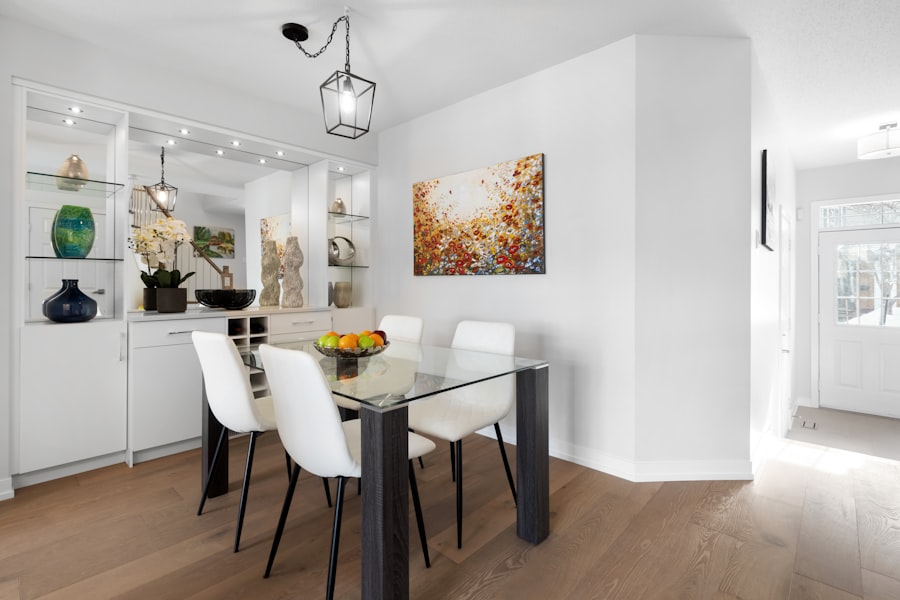
Every home has unique features that make it special, and part of effective staging is highlighting these attributes. You want to draw attention to the aspects of your home that set it apart from others on the market. Whether it’s a stunning fireplace, large windows that let in natural light, or beautiful hardwood floors, showcasing these elements can significantly enhance your home’s appeal.
Consider arranging furniture in a way that directs the eye toward these features, ensuring they are not overshadowed by other elements in the room. In addition to physical features, think about the lifestyle benefits your home offers. If you have a spacious backyard perfect for entertaining or a cozy reading nook bathed in sunlight, make sure these areas are staged to reflect their potential uses.
You might even consider adding subtle touches like fresh flowers or strategically placed decor to enhance these spaces further. By effectively highlighting key features, you create a narrative around your home that resonates with buyers and helps them envision their lives within it.
Creating a Welcoming Atmosphere
| Metrics | Data |
|---|---|
| Customer Satisfaction | 90% |
| Repeat Customer Rate | 75% |
| Positive Reviews | 4.5/5 |
| Employee Engagement | 85% |
Creating a welcoming atmosphere is crucial when staging your home for sale. You want potential buyers to feel at ease as soon as they step through the door. One way to achieve this is by ensuring that your home smells pleasant; consider baking cookies or brewing coffee before showings to create an inviting aroma.
Additionally, soft music playing in the background can help set a relaxed tone during open houses. Another essential aspect of creating a welcoming atmosphere is ensuring that your home feels warm and inviting. This can be accomplished through thoughtful decor choices, such as adding cozy throws on sofas or placing fresh flowers in vases around the house.
Pay attention to the overall ambiance; soft textures and warm colors can make a significant difference in how buyers perceive your space. When potential buyers feel welcomed and comfortable, they are more likely to linger longer and envision themselves living in your home.
Utilizing Proper Lighting
Lighting plays a pivotal role in how your home is perceived by potential buyers. Natural light can make spaces feel larger and more inviting, so take advantage of it by opening curtains and blinds during showings. If your home lacks natural light in certain areas, consider using lamps or strategically placed lighting fixtures to brighten up darker corners.
A well-lit space not only enhances the aesthetic appeal but also creates an inviting atmosphere that encourages buyers to explore every nook and cranny. In addition to functional lighting, consider the mood you want to create in each room. Soft, warm lighting can evoke feelings of comfort and relaxation, while brighter lights can energize a space.
Use dimmers where possible to give potential buyers control over the ambiance they desire. By thoughtfully utilizing lighting throughout your home, you can significantly enhance its appeal and create an environment that feels both welcoming and stylish.
Incorporating Neutral Colors
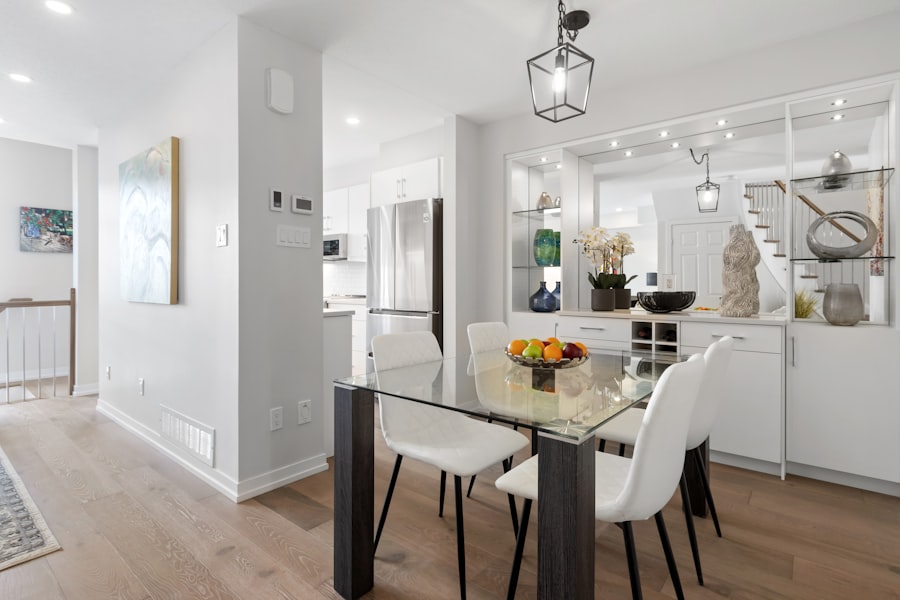
When staging your home, incorporating neutral colors is a smart strategy that appeals to a broad range of buyers. Neutral tones create a blank canvas that allows potential buyers to envision their own decor and style within the space. Consider painting walls in soft shades of beige, gray, or white; these colors not only make rooms feel larger but also provide a calming backdrop that enhances the overall aesthetic.
In addition to wall colors, think about incorporating neutral tones into your furniture and decor choices. Opt for furnishings in muted colors that complement the overall palette of your home. This doesn’t mean you have to sacrifice personality; you can still add pops of color through accessories like throw pillows or artwork.
By maintaining a cohesive color scheme throughout your home, you create an inviting atmosphere that appeals to a wide audience while allowing buyers to imagine their own personal touches.
Choosing the Right Furniture and Decor
Selecting the right furniture and decor is essential when staging your home for sale. You want to create spaces that feel functional yet inviting, allowing potential buyers to visualize how they would use each area. Start by assessing the scale of your furniture; oversized pieces can make rooms feel cramped while smaller items may not provide enough comfort or functionality.
Aim for a balanced arrangement that highlights the flow of each room while ensuring it feels lived-in yet uncluttered. When it comes to decor, choose items that enhance the overall aesthetic without overwhelming the space. Simple accents like decorative bowls or tasteful artwork can add character without detracting from the home’s features.
Remember that less is often more; avoid overcrowding surfaces with too many decorative items. Instead, focus on creating focal points that draw attention while maintaining an airy feel throughout the home.
Adding Finishing Touches
Once you’ve completed the major aspects of staging your home, it’s time to focus on those finishing touches that can make all the difference. These small details can elevate your space from ordinary to extraordinary and leave a lasting impression on potential buyers. Consider adding fresh flowers or potted plants throughout your home; they bring life and vibrancy into any space while also creating an inviting atmosphere.
Additionally, think about incorporating personal touches that resonate with buyers without being overly specific to your tastes. For example, setting the dining table with elegant place settings can help buyers envision hosting dinner parties in their new home. Similarly, adding soft throws on couches or beds creates an inviting feel that encourages warmth and comfort.
By paying attention to these finishing touches, you enhance the overall appeal of your home and create an environment where potential buyers can easily imagine themselves living happily ever after.
FAQs
What is property staging?
Property staging is the process of preparing a property for sale by enhancing its appeal to potential buyers. This can involve decluttering, rearranging furniture, adding decorative elements, and making necessary repairs or improvements.
Why is property staging important?
Property staging is important because it can significantly increase the appeal of a property to potential buyers, leading to a faster sale and potentially a higher selling price. Staged properties often photograph better and create a more inviting atmosphere for potential buyers.
What are the benefits of property staging?
The benefits of property staging include a faster sale, a potentially higher selling price, and a competitive edge in the real estate market. Staged properties can also create a more memorable and positive impression on potential buyers.
How can I maximize my property’s appeal to buyers through staging?
To maximize your property’s appeal to buyers through staging, focus on decluttering, depersonalizing, and creating a neutral and inviting atmosphere. Consider hiring a professional stager to help showcase your property’s best features and appeal to a wide range of potential buyers.
Is property staging worth the investment?
Many real estate professionals believe that property staging is worth the investment, as it can lead to a faster sale and potentially a higher selling price. The cost of staging is often outweighed by the benefits of a successful sale.