The Truth About High Property Prices: Construction Bottlenecks & Housing Shortages
As you navigate the complexities of the current property market, it becomes increasingly clear that various factors are at play, shaping the landscape of real estate. The interplay between supply and demand, economic conditions, and government policies creates a dynamic environment that can be both challenging and rewarding for buyers, sellers, and investors alike. With property prices fluctuating and housing shortages becoming more pronounced, understanding these elements is crucial for making informed decisions.
In recent years, the property market has experienced significant shifts, influenced by global events, economic trends, and changing consumer preferences. You may find yourself wondering how these factors affect your own housing situation or investment opportunities. By delving into the intricacies of the market, you can better position yourself to navigate its challenges and seize potential opportunities that arise amidst the uncertainty.
Key Takeaways
- The current property market is facing challenges such as construction bottlenecks, housing shortages, and government policies and regulations.
- Factors contributing to slow development include labor shortages, supply chain disruptions, and regulatory hurdles.
- Housing shortages are impacting affordability and availability, making it difficult for many to find suitable housing options.
- Government policies and regulations are being implemented to address construction bottlenecks and streamline the development process.
- Sustainable development is crucial for balancing economic growth with minimizing environmental impact in the property market.
Construction Bottlenecks: Factors Contributing to Slow Development
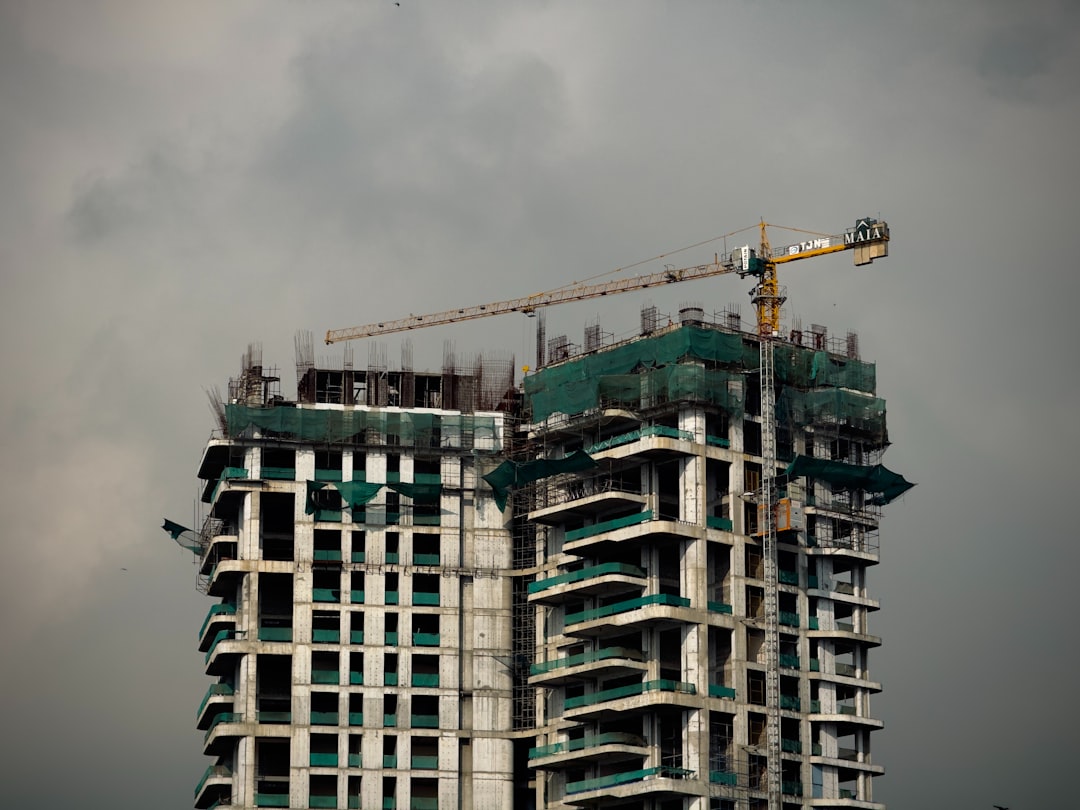
One of the primary issues plaguing the property market today is the construction bottlenecks that hinder timely development. As you explore this topic, you’ll discover that several factors contribute to these delays. For instance, labor shortages have become a significant concern in the construction industry.
With an aging workforce and fewer young people entering the trades, you may notice that projects take longer to complete due to a lack of skilled labor. Additionally, supply chain disruptions have exacerbated these construction delays. The pandemic has highlighted vulnerabilities in global supply chains, leading to shortages of essential materials like lumber and steel.
As you consider the implications of these bottlenecks, it’s essential to recognize how they not only slow down individual projects but also contribute to broader housing shortages and rising costs in the property market.
Housing Shortages: The Impact on Affordability and Availability
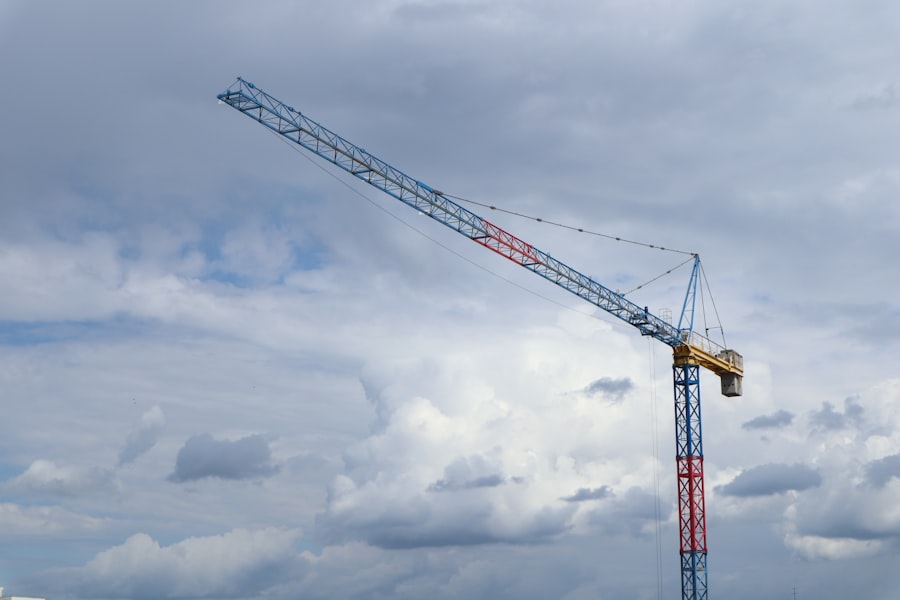
The consequences of construction bottlenecks are starkly evident in the ongoing housing shortages that many regions are experiencing. As you look around your community or city, you may notice a growing disparity between the demand for housing and the available supply. This imbalance has led to increased competition among buyers, driving up prices and making homeownership less attainable for many individuals and families.
Affordability is a pressing concern in today’s market. You might find that even modest homes are becoming out of reach for first-time buyers or those with lower incomes. The lack of affordable housing options can lead to increased financial strain on households, forcing many to make difficult choices about where to live or whether to rent instead of buy.
As you reflect on these challenges, it’s clear that addressing housing shortages is essential for fostering a more equitable and sustainable property market.
Government Policies and Regulations: Addressing Construction Bottlenecks
| Country | Policy/Regulation | Impact |
|---|---|---|
| United States | Streamlined Permitting Process | Reduced project delays and costs |
| United Kingdom | National Planning Policy Framework | Clearer guidelines for development |
| Australia | Building Code of Australia | Improved building safety standards |
In response to the challenges posed by construction bottlenecks and housing shortages, government policies and regulations play a crucial role in shaping the property market. As you consider potential solutions, it’s important to recognize that policymakers are increasingly focused on streamlining processes to facilitate faster development. This may involve revising zoning laws, expediting permitting processes, or providing incentives for builders to increase housing supply.
You may also observe that some governments are investing in infrastructure improvements to support new developments. By enhancing transportation networks and utilities, they aim to make areas more attractive for both developers and potential residents. As you engage with these policies, it’s essential to stay informed about local initiatives that could impact your own housing situation or investment prospects.
Sustainable Development: Balancing Economic Growth and Environmental Impact
As you delve deeper into the property market, you’ll find that sustainable development is becoming an increasingly important consideration. The challenge lies in balancing economic growth with environmental impact. You may be aware that many consumers today prioritize eco-friendly practices and sustainable building materials when making housing decisions.
This shift in consumer preferences is prompting developers to adopt greener practices in their projects. Moreover, sustainable development can also lead to long-term cost savings for homeowners and communities alike. Energy-efficient homes not only reduce utility bills but also contribute to a healthier environment.
As you explore this aspect of the property market, consider how embracing sustainability can enhance both your quality of life and the overall resilience of your community.
Innovative Solutions: Technology and Modern Methods of Construction
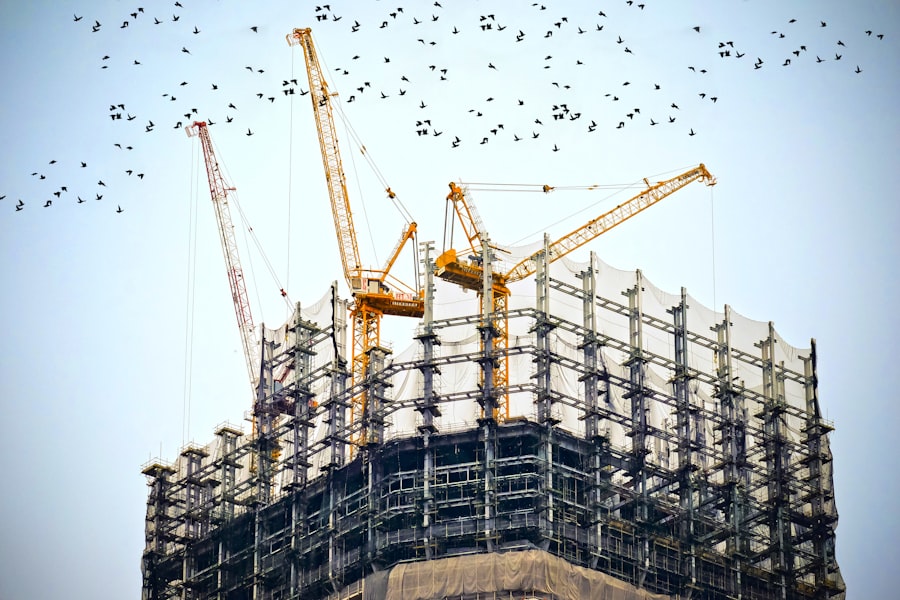
In an era marked by rapid technological advancements, innovative solutions are emerging as key drivers of change in the property market. You may find yourself intrigued by modern methods of construction (MMC), which leverage technology to improve efficiency and reduce costs.
These innovative approaches not only address construction bottlenecks but also enhance the quality of housing. As you explore these developments, consider how they could impact your own housing options or investment strategies. By staying informed about technological advancements in construction, you can position yourself at the forefront of a rapidly evolving market.
Community Engagement: Involving Local Residents in Development Plans
As you reflect on the future of your community, it’s essential to recognize the importance of community engagement in development plans. Involving local residents in decision-making processes fosters a sense of ownership and ensures that new projects align with the needs and desires of those who live there. You may find that communities that prioritize engagement tend to experience more successful developments and greater resident satisfaction.
Moreover, community engagement can help identify potential concerns early in the planning process, allowing developers to address issues proactively. As you consider your role in this process, think about how you can advocate for your community’s interests and contribute to shaping a property market that reflects the values and aspirations of its residents.
Future Outlook: Predictions for Property Prices and Housing Market Trends
Looking ahead, you may be curious about what the future holds for property prices and housing market trends. While predicting exact outcomes can be challenging, several indicators suggest that the current trends may continue in the near term. As construction bottlenecks persist and housing shortages remain a pressing issue, you might expect property prices to continue rising in many areas.
For instance, as more people prioritize remote work and flexible living arrangements, demand for housing in suburban or rural areas may increase. As you keep an eye on these trends, staying informed will empower you to make strategic decisions regarding your own housing situation or investment opportunities.
In conclusion, understanding the current property market requires a multifaceted approach that considers various factors influencing supply, demand, affordability, and sustainability. By engaging with these topics thoughtfully, you can better navigate the complexities of real estate and position yourself for success in an ever-evolving landscape. Whether you’re a buyer, seller, or investor, being informed about these trends will enable you to make decisions that align with your goals and aspirations in the property market.
FAQs
What are construction bottlenecks?
Construction bottlenecks refer to the delays and inefficiencies in the construction process that slow down the completion of projects. These bottlenecks can be caused by various factors such as labor shortages, supply chain disruptions, regulatory hurdles, and lack of infrastructure.
What is a housing shortage?
A housing shortage occurs when there is an inadequate supply of housing to meet the demand from potential buyers or renters. This can lead to rising property prices, increased competition for available housing, and limited options for those in need of housing.
What is the real reason behind high property prices?
The real reason behind high property prices is often a combination of construction bottlenecks and housing shortages. When construction is delayed or inefficient, it can lead to a limited supply of new housing, exacerbating the existing housing shortage and driving up property prices.
How do construction bottlenecks contribute to housing shortages?
Construction bottlenecks can contribute to housing shortages by slowing down the pace of new construction, leading to a limited supply of new housing. This can exacerbate existing housing shortages and drive up property prices, making it more difficult for individuals and families to find affordable housing options.
What are some solutions to address construction bottlenecks and housing shortages?
Some potential solutions to address construction bottlenecks and housing shortages include investing in infrastructure, streamlining regulatory processes, incentivizing construction labor, and promoting innovative construction methods. Additionally, increasing collaboration between government, industry, and community stakeholders can help identify and implement effective solutions to these challenges.