Down Under Dwellings: Australian Property Market Forecast
The Australian property market, a perennial topic of national discourse and personal financial planning, presents a complex tableau as you navigate the forecasts for 2026. This analysis will equip you with a detailed overview, drawing on the insights of leading economic bodies and market analysts, to inform your understanding of the trends shaping property values across the continent. Forget the simplistic narratives; you are delving into the nuances of a sophisticated, multi-faceted market.
You are standing at a juncture where the Australian property market continues its ascent, albeit with a growing awareness of the forces that might temper its pace. The consensus among expert predictions, particularly for 2026, points towards a sustained period of growth. This upward trajectory is not uniform, however, and understanding its underlying drivers is paramount for any stakeholder.
National Averages: A Steady Climb
KPMG’s January 2026 outlook suggests a national house price increase of 7.7% and a unit price increase of 7.1%. This forecast, made against a backdrop of potential interest rate uncertainty, indicates a resilient market. Similarly, Shane Oliver, Chief Economist at AMP, projects national price rises of 5-7%, slightly moderating from 2025’s 8.5%, with units potentially outperforming houses at a 7% increase versus 5% for detached dwellings. These figures, while broad, provide you with a foundational understanding of the expected national pulse.
Industry Confidence: A Bullish Stance
Your assessment of the market should also consider the prevailing sentiment within the industry itself. A Totality survey reveals a strong sense of optimism among property leaders, with a significant 87% anticipating rising values in 2026. Only a marginal 3.5% foresee a decline. This robust confidence, particularly bullish on Queensland, Western Australia, and South Australia, follows a strong performance in 2025 and suggests that the market’s underlying momentum is considerable.
Regional Variations: A Patchwork of Performance
The Australian property market is not a monolith; rather, it is a collection of distinct regional markets, each subject to its own demand-supply dynamics and economic influencers. As you cast your gaze across the states and territories, you will observe a diverse spectrum of growth expectations.
Western Australia: Perth’s Ascendance
If you are looking for a standout performer, Perth, Western Australia, emerges as a clear frontrunner. KPMG predicts a robust 13% increase in house prices for the city, positioning it at the apex of national growth. Domain’s forecast reinforces this, projecting a substantial 12.8% rise in house prices for Perth in 2026. This potent growth can be attributed to a combination of factors, including a robust resources sector, internal migration, and a relatively more affordable entry point compared to the eastern seaboard capitals.
The Sunshine State and the Top End: Brisbane and Darwin’s Momentum
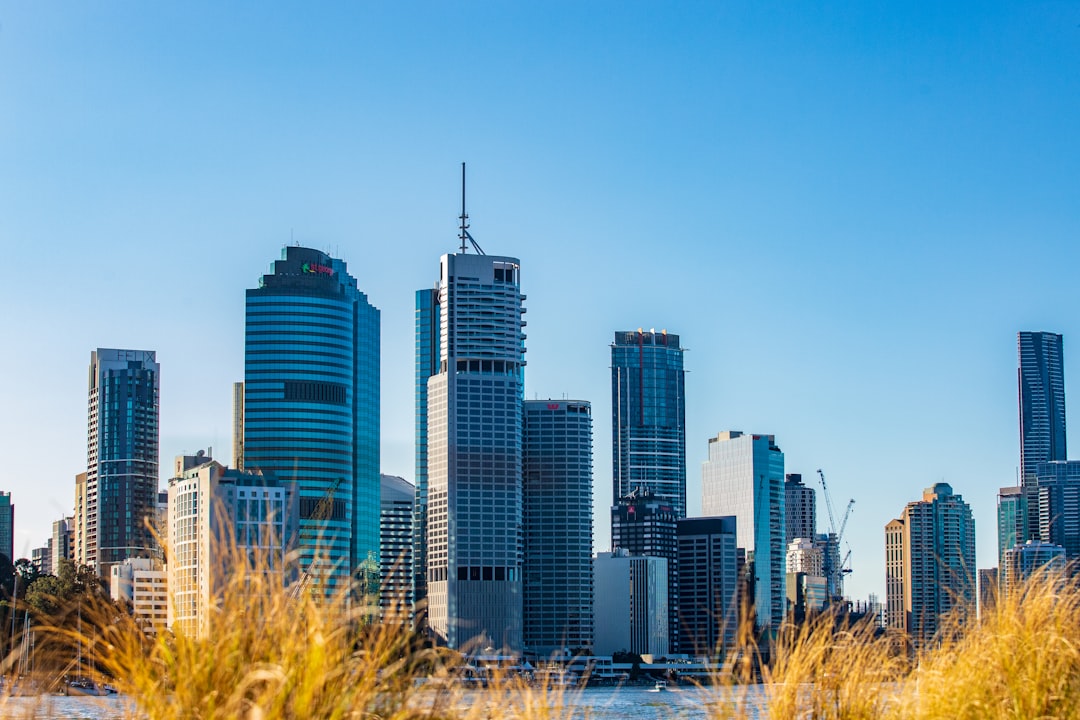
Queensland’s capital, Brisbane, and the Northern Territory’s capital, Darwin, are also positioned for significant appreciation. KPMG anticipates growth exceeding 10% for both cities. Domain’s forecast for Brisbane, at 10.9%, aligns closely with this optimistic outlook. These regions benefit from strong interstate migration, government infrastructure spending, and continued demand for more lifestyle-oriented properties.
South Australia: Adelaide’s Steady Pace
Adelaide, South Australia, continues its consistent performance, with KPMG forecasting an 8.2% increase in house prices. This steady growth reflects a market driven by relative affordability, a burgeoning defence industry, and a desirable lifestyle. You can thus perceive Adelaide as a market offering reliable, rather than explosive, returns.
The Eastern Seaboard Giants: Sydney and Melbourne’s Moderation
The behemoths of the Australian property landscape, Sydney and Melbourne, are expected to exhibit more moderate growth compared to their smaller counterparts. KPMG projects a 5.8% rise in Sydney house prices and a 6.8% increase in Melbourne house prices. Domain’s forecasts mirror these expectations, with 5.8% for Sydney and 6.8% for Melbourne. While still healthy growth, this moderation can be attributed to the sheer size of their respective property values, making substantial percentage gains more challenging, and the existing affordability constraints that act as a natural ceiling.
Underpinning Dynamics: The Engines of Growth

Beneath the headline figures, several powerful forces are at play, shaping the trajectory of the Australian property market. Understanding these underlying dynamics is crucial for you to grasp the fundamental resilience and drivers of value.
Population Growth: A Relentless Driver
One of the most potent engines of demand is Australia’s sustained and high population growth. As you consider the implications, remember that every new resident requires housing, whether rented or owned. This demographic imperative creates an inherent, almost insatiable, demand for dwelling units across the country. The sheer volume of new arrivals acts as a constant pressure on housing stock, pushing prices upwards.
Supply Shortages: A Persistent Imbalance
Counterbalancing the strong demand is a critical and persistent shortage in housing supply. You might find it concerning that the current supply is estimated to be 27% below the government’s target. Estimates suggest a national shortfall of 200,000 to 300,000 homes. This deficit creates a foundational imbalance: more people seeking homes than there are homes available to meet that need. This scarcity acts as a significant upward lever on prices, turning properties into precious commodities in a competitive bidding environment.
Stable Interest Rates: A Bedrock of Confidence
While the threat of interest rate uncertainty is always present on the horizon, the expectation of stable rates provides a bedrock of confidence for both buyers and investors. When you can anticipate borrowing costs with a degree of certainty, it removes a significant impediment to making long-term financial commitments like a mortgage. This stability fosters a more predictable environment for property transactions, encouraging participation in the market.
Investor Return: Re-entering the Fray
The return of investors to the market is another significant factor contributing to sustained growth. As interest rates stabilise and rental yields potentially improve, property becomes an attractive asset class once more for those seeking capital gains and passive income. This influx of investor demand adds another layer to the existing owner-occupier and first-home buyer competition, further tightening supply in various segments of the market.
Government Incentives: Fueling First-Home Buyers
Government incentives are playing a crucial role in supporting demand, particularly from first-home buyers. Schemes such as 5% deposit options and the ‘Help to Buy’ initiative, which offers up to a 40% government contribution, are designed to lower the entry barrier into homeownership. As you consider these policies, you will recognise that they effectively expand the pool of eligible buyers, thereby increasing demand at the lower and middle tiers of the market. This targeted support helps to maintain a broader base of market participation, acting as a critical support beam in the property market’s structure.
Emerging Challenges: Navigating the Obstacles

While the outlook remains predominantly positive, you must also be acutely aware of the challenges that could temper growth or create pockets of difficulty within the market. These challenges represent potential headwinds that require careful monitoring.
Affordability Walls: The Barrier to Entry
Perhaps the most significant challenge facing the Australian property market is the burgeoning ‘affordability wall’. In major capital cities like Sydney and Melbourne, property prices have reached such stratospheric levels that entry for many prospective buyers, particularly first-timers, has become exceedingly difficult. This creates a two-tiered market where those with established equity can participate, while others, despite good incomes, find themselves locked out. The practical disappearance of homes under $500,000 and even under $800,000 in these prime markets highlights the severity of this issue. This challenge is not merely economic; it has profound social implications, impacting intergenerational wealth transfer and access to housing.
Supply Constraint Persistence: A Long Road Ahead
Despite efforts to boost housing supply, the underlying structural issues contributing to the shortage remain formidable. Planning bottlenecks, labour shortages in construction, and the rising cost of materials continue to impede the rapid delivery of new housing stock. You must understand that this is not a short-term problem; it is a systemic challenge that will require sustained and coordinated efforts to resolve. Until significant strides are made in addressing this shortfall, the inherent pressure on prices due to limited supply will persist.
Interest Rate Uncertainty: A Shadow on the Horizon
While the immediate outlook suggests stability in interest rates, the global economic landscape remains dynamic. Geopolitical events, inflation surprises, or shifts in central bank policy could introduce renewed uncertainty regarding official interest rates. For you as a property owner or prospective buyer, even the hint of rising rates can have a dampening effect on market confidence and borrowing capacity. It is a constant game of watchfulness, observing the macro-economic signals that could influence the cost of money.
Segmented Growth: A Tale of Two Phases
| Year | Median House Price (AUD) | Annual Growth Rate (%) | Rental Yield (%) | Market Sentiment | Interest Rate Forecast (%) |
|---|---|---|---|---|---|
| 2024 | 850,000 | 3.5 | 3.8 | Stable | 4.5 |
| 2025 | 880,000 | 3.5 | 3.7 | Positive | 4.7 |
| 2026 | 910,000 | 3.4 | 3.6 | Positive | 4.8 |
| 2027 | 940,000 | 3.3 | 3.5 | Neutral | 5.0 |
| 2028 | 970,000 | 3.2 | 3.4 | Neutral | 5.1 |
The evolution of the property market in 2026 is unlikely to be a smooth, linear progression. Instead, you can anticipate a nuanced, two-phase development, as outlined by Domain’s analysis. This cyclical pattern is a common feature of buoyant markets responding to various stimuli.
Phase 1 (January-June): Stimulus-Driven Momentum
The first half of 2026 is projected to witness strong growth, largely carried over from the impetus of government stimulus measures and what may be relatively lower interest rates from the preceding period. This initial surge can be likened to a spring tide, buoyed by pent-up demand and a favourable borrowing environment. You will likely see enthusiastic participation from buyers who have been waiting for the opportune moment, as well as a continuation of the investor return trend.
Phase 2 (July-December): Affordability’s Handbrake
As the year progresses into its latter half, you should anticipate a potential slowdown. This deceleration is largely attributed to the increasing impact of affordability constraints. As prices continue to rise in the first half, the ‘affordability wall’ becomes incrementally higher, effectively pricing out a segment of potential buyers. This acts as a natural handbrake on aggressive price growth, leading to a more moderate trajectory. This period might see a shift towards more value-driven purchasing decisions and potentially an increase in properties taking longer to sell.
Conclusion: A Market of Resilience and Nuance
In conclusion, as you dissect the forecasts for the Australian property market in 2026, you are presented with a picture of continued, albeit uneven, growth. The market is not merely defying gravity; it is propelled by powerful demographic forces, supply-side constraints, and supportive policy measures. While challenges such as affordability and persistent supply shortages cast long shadows, the overall sentiment remains robust, particularly among industry leaders.
Your strategic approach should recognise the significant regional variations, understanding that the market is a mosaic rather than a monochrome canvas. Perth, Brisbane, and Darwin are poised for strong gains, while Sydney and Melbourne, despite their sheer market size, will likely experience more measured growth. The phased nature of growth throughout the year, from an initial surge to a later moderation driven by affordability, underscores the dynamic and responsive character of this vital economic sector. As an informed participant, you now possess the knowledge to navigate this complex landscape with a clearer understanding of its inherent strengths and its formidable challenges.
FAQs
What is the current state of the Australian property market?
The Australian property market has experienced varied trends across different regions, with some areas seeing price growth while others face stagnation. Factors such as interest rates, government policies, and economic conditions influence the market’s performance.
What factors are influencing the Australian property market forecast?
Key factors include interest rate changes by the Reserve Bank of Australia, housing supply and demand dynamics, population growth, government incentives for first-home buyers, and broader economic indicators like employment rates and inflation.
Are property prices expected to rise or fall in the near future?
Forecasts vary by location, but generally, moderate price growth is expected in major cities due to ongoing demand and limited supply. However, some regional areas may experience slower growth or price corrections depending on local economic conditions.
How do interest rates impact the Australian property market?
Interest rates affect borrowing costs for homebuyers and investors. Lower rates typically encourage more borrowing and can drive up property prices, while higher rates may reduce demand and slow price growth.
What advice is recommended for potential property buyers in Australia?
Potential buyers should assess their financial situation carefully, consider long-term market trends, seek professional advice, and stay informed about government policies and interest rate changes to make well-informed purchasing decisions.